Weekend links 824

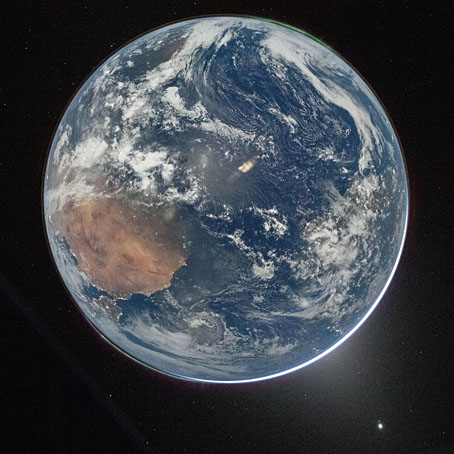
earth.jpg

“A view of Earth taken by NASA astronaut and Artemis II Commander Reid Wiseman from one of the Orion spacecraft’s windows after completing the translunar injection burn on April 2, 2026. The image features two auroras (top right and bottom left) and zodiacal light (bottom right) is visible as the Earth eclipses the Sun.”

• I was surprised this week to find myself quoted by David Hudson at Criterion Current in an overview of the schedule for Cold War Visions: Nuclear Anxiety in Eastern Bloc Cinema, a short season of films that will be showing at the Barbican throughout this month. One of those films is Andrei Tarkovsky’s Stalker, a cult film round here, which a handful of lucky Londoners will be able to see on a big screen.

邪神三十六景 (Thirty-six Views of the Evil Gods) is collection of drawings by Takeki Yamada that combine Hokusai’s celebrated views of Mount Fuji with beings from Lovecraft’s Cthulhu Mythos. I’m a little underwhelmed by the results but the book is out there for those who want it.

• Among the new titles at Standard Ebooks, the home of free, high-quality, public-domain texts: Last and First Men by Olaf Stapledon. (Previously)

• Coming soon at Unquiet Things: The Art of the Unknown: A Visual Treasury of the Esoteric, Uncanny, and Unexplained by S. Elizabeth.

• At Public Domain Review: Elizabeth I’s manuscript copy of Pierre Boaistuau’s Histoires Prodigieuses (1559).

• New music: Enter the Nuummite Cosmos by Brotherhood Of Sleep.

• At the BFI: Where to begin with Peter Weir.

A Brief History of the Dust Jacket.

Out Of The Unknown (1984) by Died Pretty | Brian’s Nightmare / The Unknown, Part One (2005) by Robin Guthrie / Harold Budd | A Gift Of Unknown Things (2017) by Teleplasmiste
Visions of Light

visions1.jpg

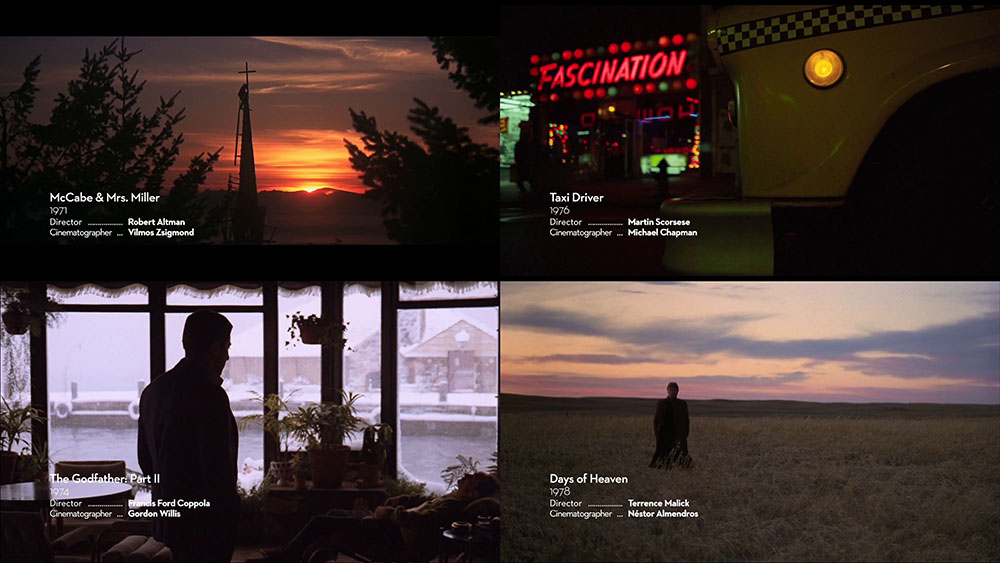
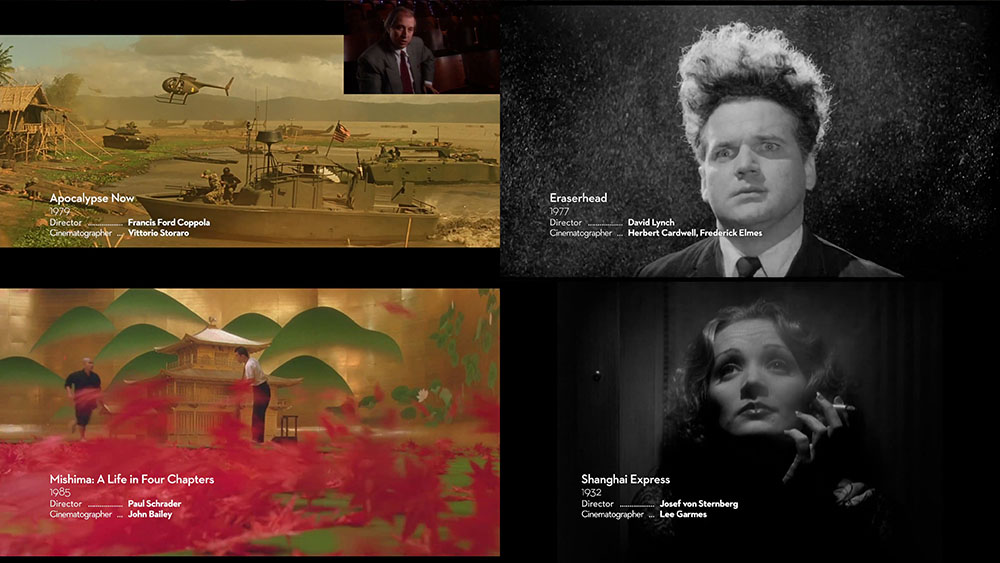
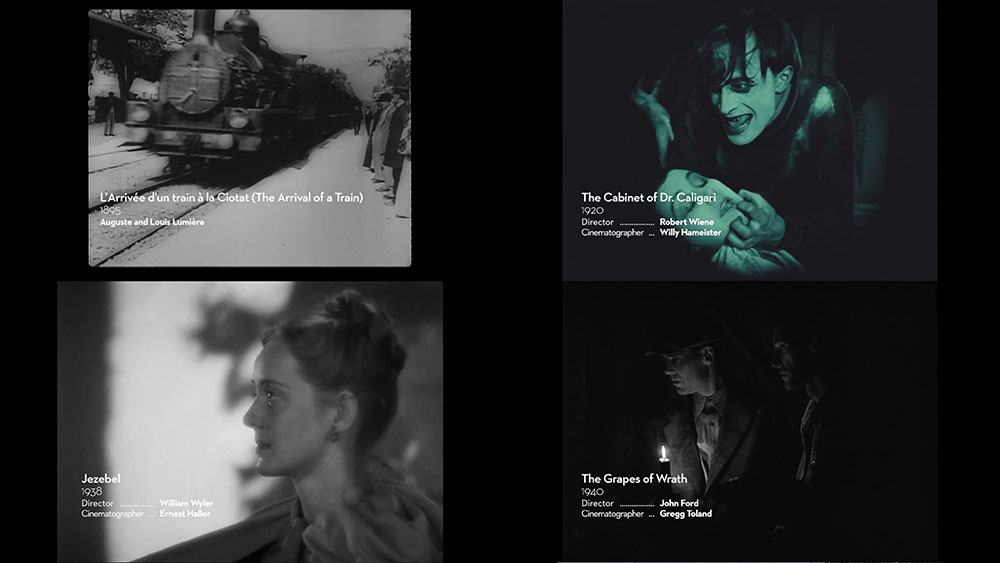
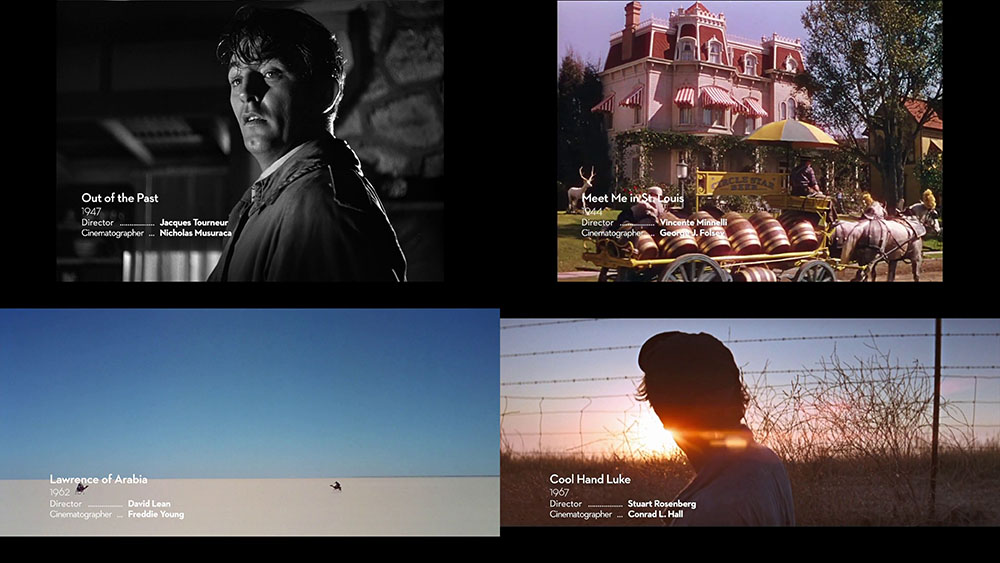
Good to see this again even if it is an unofficial “remastering” of the original. Visions of Light is a feature-length documentary about the art of cinematography as practiced in (mostly) American cinema. The film was made by Arnold Glassman, Todd McCarthy and Stuart Samuels for the American Film Institute in 1992, and is unique in being related solely through the words of cinematographers; there are no actor-narrators, actors, directors, academics or celebrities blathering about “iconic” moments. The format is very simple and direct: short clips from feature films showing the evolution of photographic styles and techniques from the silent era to the present, with each clip being commented on and contextualised by the cinematographers. Each clip includes an on-screen caption listing the title of the film, the director and the cinematographer. Most of the interviewees are Americans but there are a few notable Europeans such as Néstor Almendros, Sven Nykvist and Vittorio Storario.

visions2.jpg

The version of the film archived here is an unofficial “remastering” which has upgraded the original to high definition. I haven’t seen Visions of Light since it was broadcast on TV in the 1990s so my memory may be faulty but I think the incorporation of some of the interviews as picture-in-picture overlays may be a new addition. While it’s good to see high-quality extracts the real attraction for me is the interviews. The people who photograph feature films are essential to the film-making process yet they’re seldom given the opportunity to talk about their work outside extras on hard-format releases. And now that the masses have stopped buying films on disc the opportunities for this kind of discussion are limited once again. The interview with Conrad Hall was one I found especially revelatory for his discussion of breaking the studio rules when filming Cool Hand Luke in 1967. This was the first major Hollywood film to show sunlight flaring into the camera lens, an effect that would have had the shot rejected in the days when studios policed each production with great rigour. Once Hall had got away with this everyone started doing it, with the result that American film and TV after 1967 is filled with lens flares. Cinematography, in other words, creates and follows trends as much as other film-making techniques.

visions3.jpg

Ninety minutes is too short a time to cover a hundred years of cinematic history in any depth. It would have been better for the AFI to produce a multi-part TV series but I doubt there would have been the audience for such a thing. Aside from actors and the occasional high-profile director most film-viewers are happy to remain ignorant about the identities of the people who make the films they watch. Visions of Light was obviously edited down from a great deal of interview footage which makes me wonder now what happened to the material that didn’t make the final cut. Will we ever get to see it?

visions4.jpg

Previously on { feuilleton }
Vilmos Zsigmond, 1930–2016

Tadami Yamada’s weird covers

yamada01.jpg

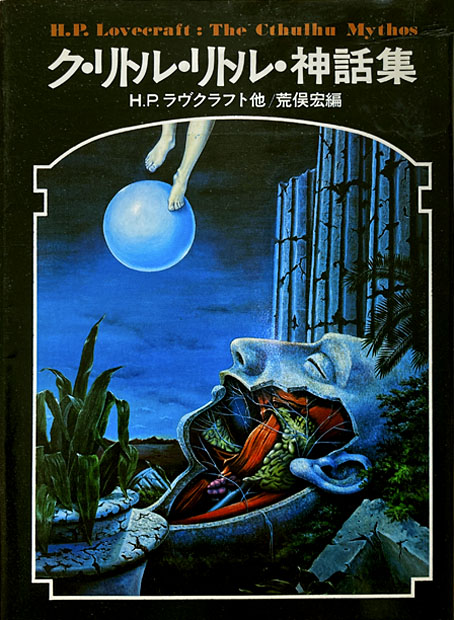
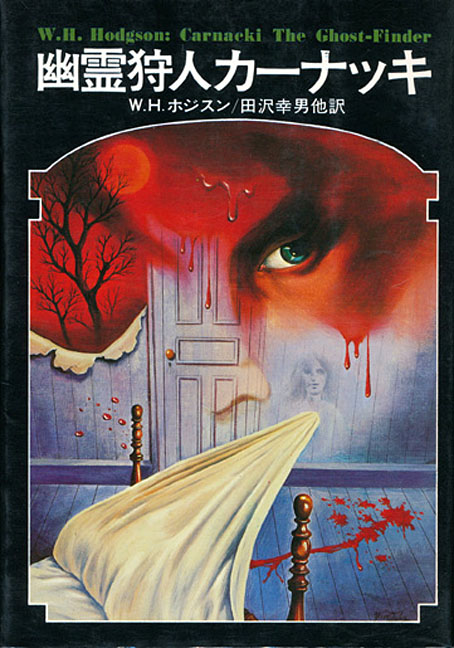
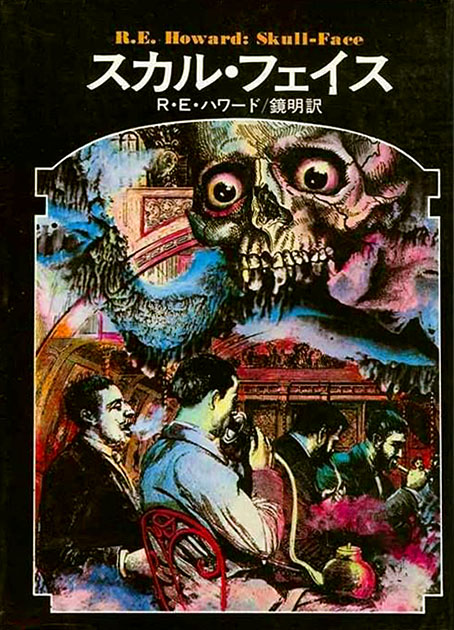
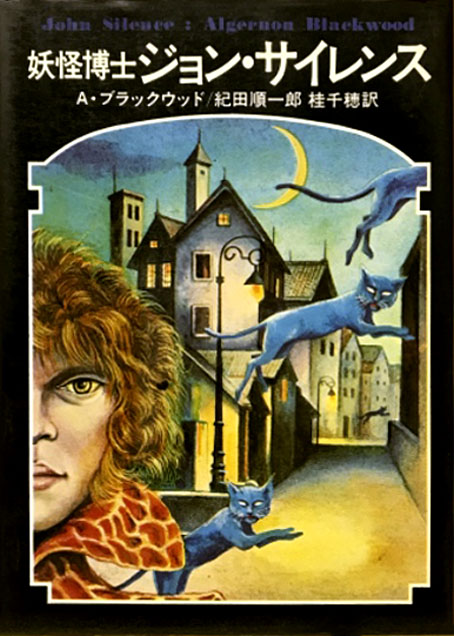
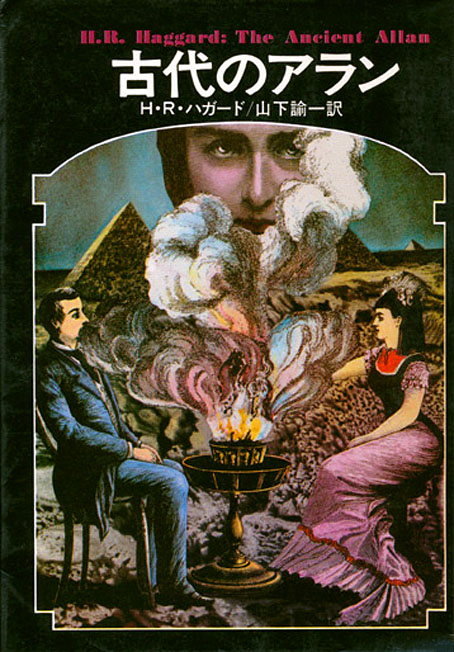
Earlier this year when I wrote about Tadami Yamada’s illustrations for William Hope Hodgson I mentioned the existence of books by other authors that were published along with the Hodgson as part of a series. Kokusho Kankōkai published ten of these books from 1976 to 1977, most of them being collections of short horror fiction by European and American authors, with the series as a whole being referred to as the “Dracula” editions. Yamada painted the covers and provided interior illustrations for eight of the books, including, as I suspected earlier, a Lovecraft collection. I was hoping I might be able to find copies of his interiors for the Lovecraft but so far nothing has turned up, Yamada’s web pages only featuring illustrations from the Hodgson and Henry S. Whitehead collections. Searching elsewhere is complicated by a number of factors such as the age of the books, their being Japanese publications, and the sheer quantity of Lovecraft-related material to sift through.

yamada04.jpg

Yamada says that his illustrations weren’t appreciated by readers who were expecting more typical horror imagery. This doesn’t surprise me given the Surrealist tenor of his work as a whole. The Hodgson illustrations are relatively orthodox but many of his other book illustrations from this period are collages that resemble the simpler things Max Ernst was doing in his collage novels. Collage is also evident on the “Dracula” covers, together with decalcomania, another Surrealist technique visible in the Hodgson illustrations. These books are a minor diversion in Yamada’s wide-ranging career but, as is often the case with Asian publications, none of them are currently listed at ISFDB. I’d still like to see his Lovecraft illustrations, if only to assuage my curiosity.

yamada07.jpg

yamada05.jpg

yamada03.jpg

Continue reading “Tadami Yamada’s weird covers”

Weekend links 823

crab.jpg

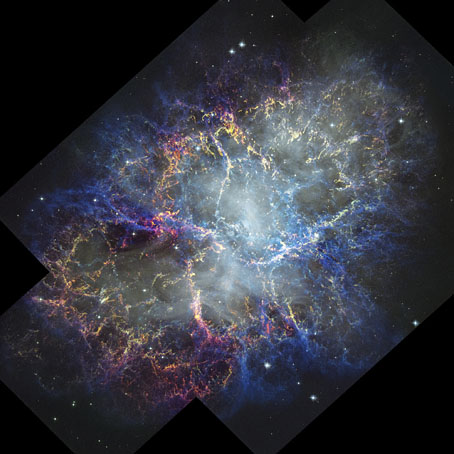
NASA’s Hubble revisits Crab Nebula to track 25 years of expansion.

Snakes and Ladders is a video adaptation of the one-off Moon and Serpent performance presented by Alan Moore and Tim Perkins at Conway Hall, London, in 1999. With visual samples from Eddie Campbell’s comic-strip adaptation of the audio recording, plus my artwork from the CD release. (Thanks to Francis for the tip!)

• The spring catalogue of lots for the After Dark: Gay Art and Culture online auction. Homoerotic art, photos, historic porn, etc.

• New music: State Of Matter by Dobrawa Czocher; Plague Dogs by The Heartwood Institute.

• “Why we made a film about Mark Fisher called We Are Making A Film About Mark Fisher.

• At Colossal: “Ambiguity reigns in Olaf Hajek’s mysterious illustrations”.

• At Public Domain Review: Monet’s early caricatures (ca. late 1850s).

• At the BFI: George Orwell, film critic.

• The Strange World of…Ladytron.

The Plague (1967) by Scott Walker | A Plague Of Angels (2007) by Earth | The Plague (2014) by Cosmic Ground

RS Sherriffs’ Rubáiyát

sherriffs01.jpg

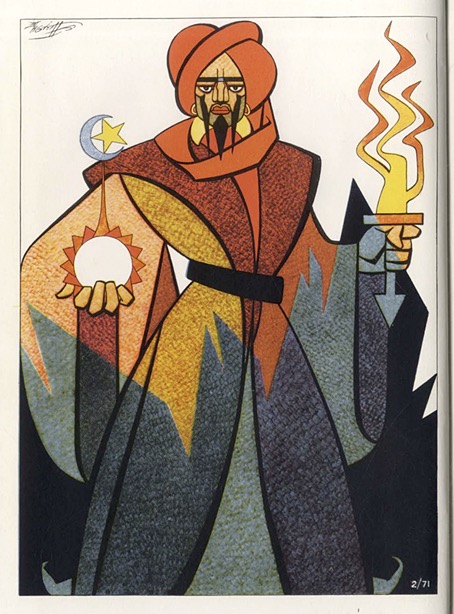
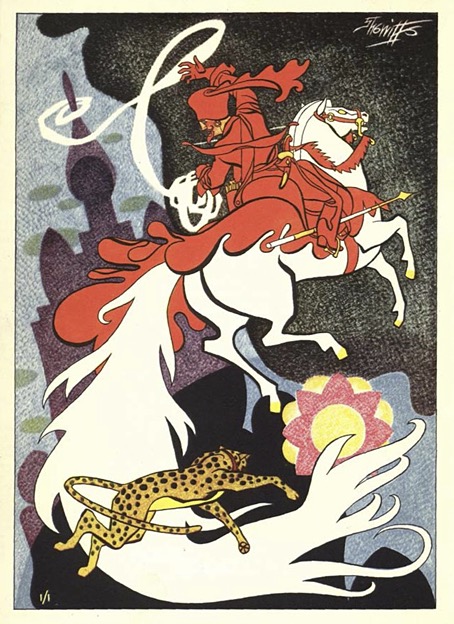
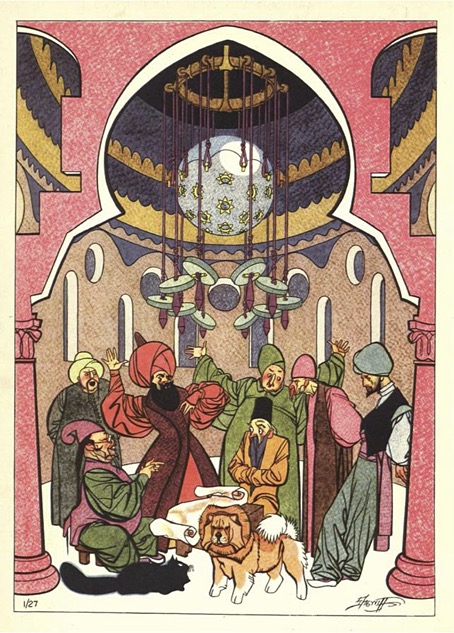
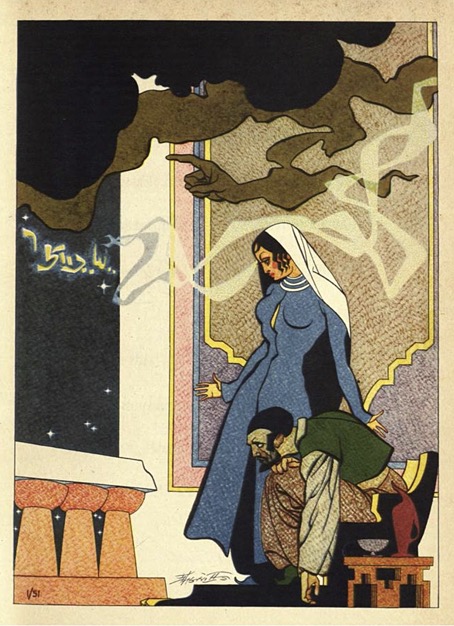
You can’t really say there are always more Rubáiyáts—the Fitzgerald translation isn’t as popular today as it was a century ago—but there are many illustrated editions even though the poem makes for a slim volume when not bulked out by variant translations. The popularity of the text when combined with the ease of imitating Edward Fitzgerald’s quatrains led to the publication of many novelty versions—The Rubáiyát of a Persian Kitten, The Rubáiyát of a Motor Car, The Rubáiyát of a Bachelor, and so on—all of which came with their own illustrations.

sherriffs02.jpg

The 1947 edition illustrated by Scottish artist Robert Stewart Sherriffs is more serious than these, with an introduction by Laurence Housman, the texts of three different 19th-century translations, together with supplementary material about Edward Fitzgerald. Sherriffs worked for a number of years as a caricaturist for Punch magazine and other publications but prior to this he was also a book illustrator. Most of his drawings are black-and-white ink renderings; the Rubáiyát is a rare example of him working in colour throughout.

sherriffs03.jpg

sherriffs04.jpg

sherriffs05.jpg

Continue reading “RS Sherriffs’ Rubáiyát”