Deutsche Kunst und Dekoration #5

dkd05-01.jpg

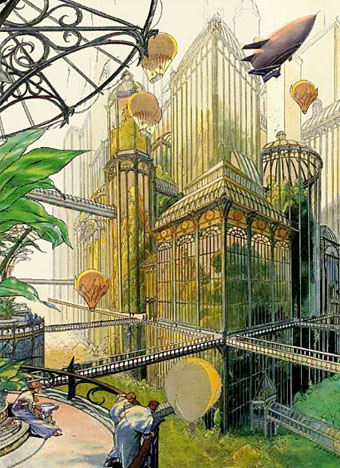
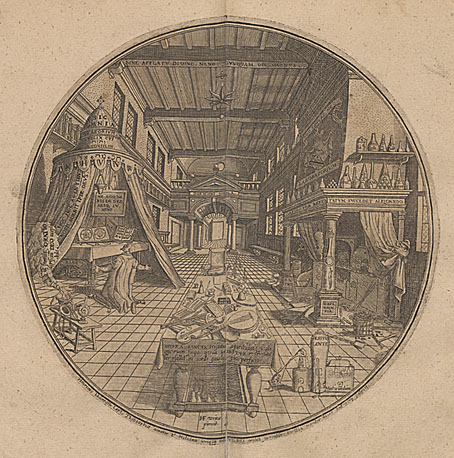
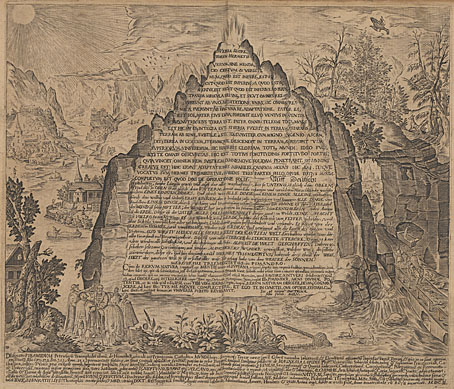
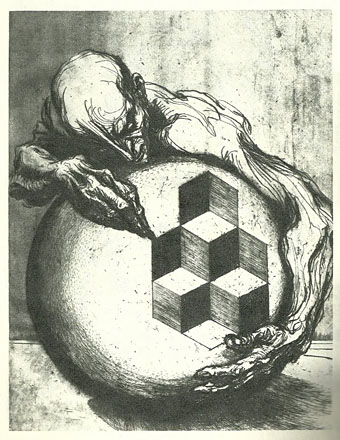
Continuing the delve into back numbers of Deutsche Kunst und Dekoration, the German periodical of art and decoration. Volume 5 covers the period from October 1899 to March 1900, and the Art Nouveau style is in full flower at this point, as it was across most of Europe. This is also the place at which the journal becomes so laden with impressive design work that it’s impossible to easily do justice to over 300 pages of contents. Anyone wanting to see more is encouraged to download the whole thing as either page scans or a PDF. As before I’ve tended to concentrate on the graphic material but this issue also features more lavish interior designs, a range of jewellery, and ponderous monumental architecture including proposals for some of Germany’s many Bismarck Towers. Examples follow below. There’ll be more DK&D next week when we take a trip to the Exposition Universelle in Paris.

dkd05-02.jpg

Sascha Schneider was Karl May’s favourite illustrator and one of the few openly gay artists in Germany at the time. He’s represented here with a small feature on his paintings among which there’s this depiction of a team of strapping oarsmen.

dkd05-03.jpg

Continue reading “Deutsche Kunst und Dekoration #5”

Designs on Kafka

kafka.jpg

Book covers of the week are a series of new Kafka designs by Peter Mendelsund for Schocken, a set comprising eight paperbacks which will be out this summer in the US. What’s notable about these designs aside from their minimal style is the way they dispense with the visual clichés which have accumulated around Kafka’s work. So no sombre author photos, ominous shadows or views of Prague, just bold colours and simple shapes to create a beautiful collection. The script typeface is Mister K by Julia Sysmäläinen, a design based on Kafka’s handwriting. Peter Mendelsund has the rest of the covers and some words about their design on his blog. Via Coudal.

Elsewhere on { feuilleton }
The book covers archive

Previously on { feuilleton }
Kafka’s porn unveiled
A postcard from Doctor Kafka
Alexandre Alexeieff and Claire Parker
Hugo Steiner-Prag’s Golem
Steven Soderbergh’s Kafka
Kafka and Kupka

À Rebours illustrated

huysmans1.jpg

Not a comprehensive post by any means but a few items worthy of note for readers of Joris-Karl Huysmans’ Decadent classic. The Vera Bock cover is from a 1930 American edition which turned up here last year. Thanks to Jescie for drawing my attention to the presence of my Haunter of the Dark collection on the same site. Vera Bock is an unusual choice of illustrator for this particular novel, there’s more of her work and details of her career at A Journey Round My Skull.

huysmans2.jpg

Auguste Leroux’s edition (above & below) is from 1920 and can be downloaded at the Internet Archive although the copy there seems to have had many of its full-page plates stolen. The artist produced an illustrated Memoirs of Casanova a few years later and he seems here to have concentrated on the more salacious aspects of Huysmans’ story, as with this brothel scene which is missing from the scanned edition. His depiction of Des Esseintes looks too middle-aged for me but the rendering of the unfortunate jewelled tortoise could hardly be bettered.

huysmans3.jpg

huysmans4.jpg

Browsing the archives at Gallica turned up this extraordinary Art Nouveau edition from 1903 illustrated and embellished on every page by Auguste Lèpere. This would be an excessively lavish treatment for most books but for a story of aesthetic obsession it seems quite appropriate. Gallica also allows the downloading of many of their documents although that function kept failing my attempts. But this volume really does need to be seen in its entirety.

Elsewhere on { feuilleton }
The illustrators archive

Previously on { feuilleton }
Arthur Zaidenberg’s À Rebours

Shinichi Maruyama’s water sculptures

maruyama.jpg

From the Kusho series.

Having attempted a few times to photograph the motion of water in air I’m in awe of Shinichi Maruyama’s high-speed captures which make of the process a very refined and beautiful art. Japanese calligraphy and sumi-e painting are obvious precedents but the artist also refers us to Zen gardens in his Gardens series wherein flares of coloured liquid drift through abstract landscapes. See his website for more.