Interview with the vampire illustrator

illustration1.jpg

Some of the many illustrators of Bram Stoker’s Dracula are the subject of a six-page feature in the latest issue of Illustration magazine. The writer of the piece, Simon Cooke, asked me a few questions about the edition I worked on for Editorial Alma in 2018 (previously), and he devotes two pages to analysing my illustrations. I was a little unnerved by this since Alma asked me to produce 27 full-page pictures—one for each chapter—in five weeks, which isn’t the kind of deadline I prefer for work that requires so much historical research. Consequently, I still feel the book is compromised but people evidently like the end results so I should stop complaining. Illustration magazine is available from Cello Press.

illustration2.jpg

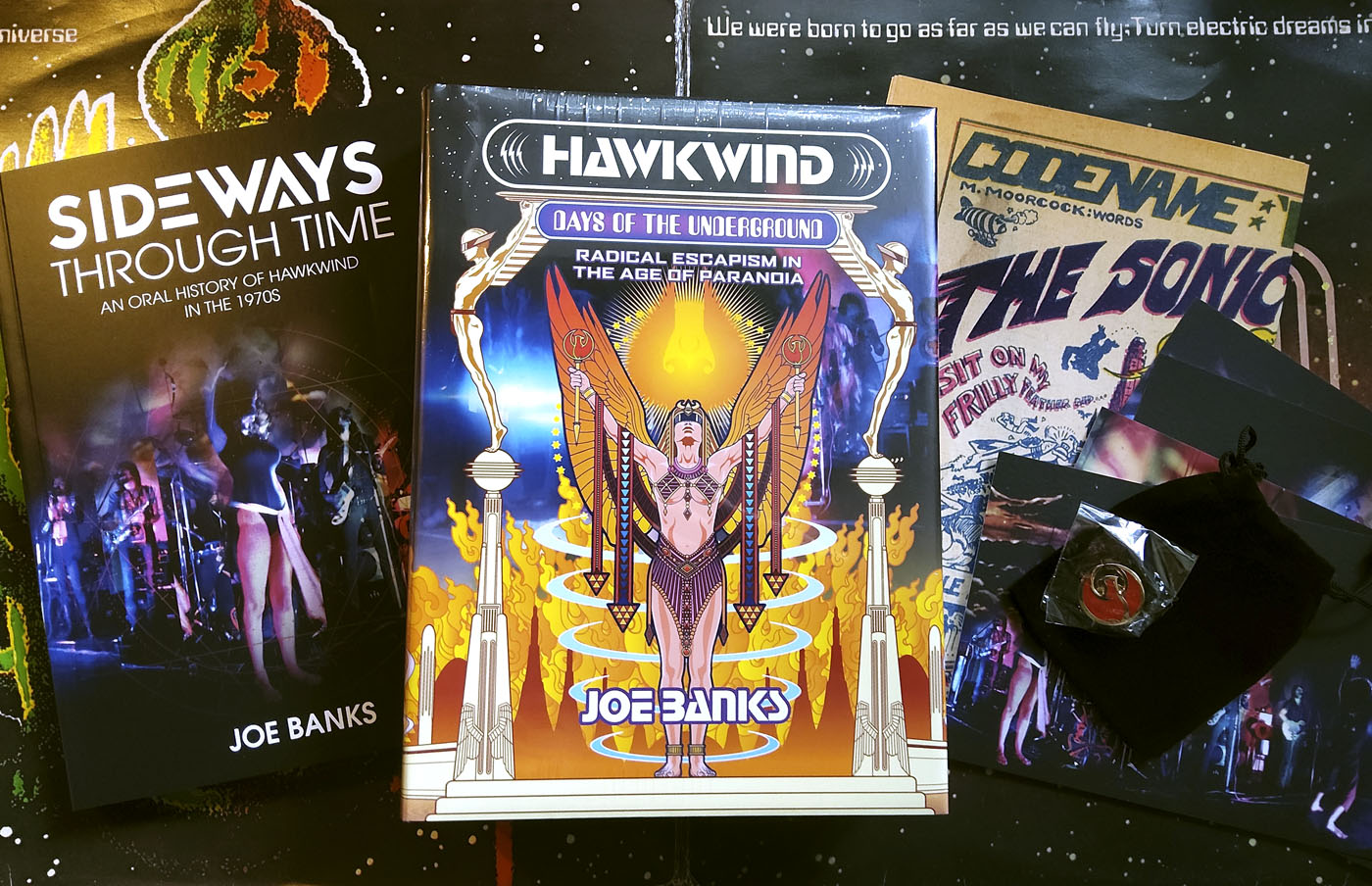
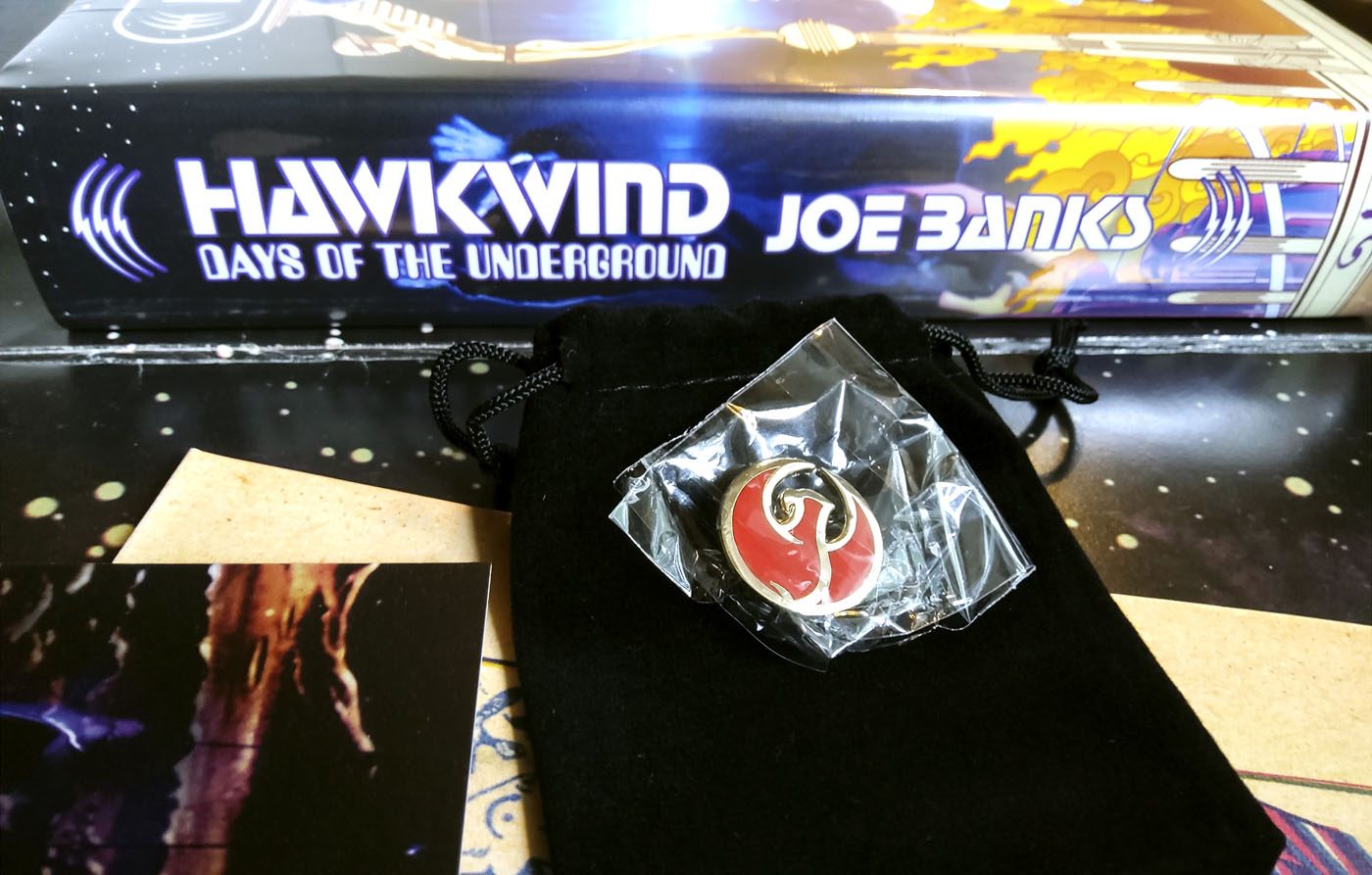
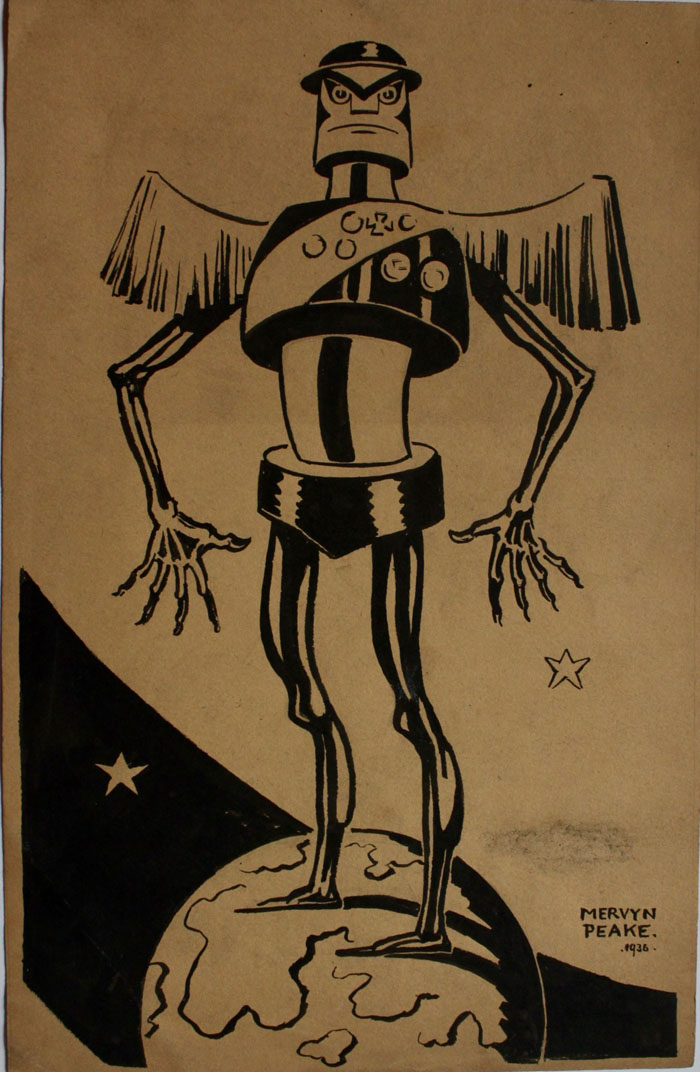
As for my work of the moment, the Joe Banks Hawkwind book will be published by Strange Attractor in the next few weeks, so everyone will finally get to see my Frank R. Paul-derived wraparound cover. And there’s more science fiction on the way with a new cover design featuring a robot as its centrepiece. Watch this space.

illustration3.jpg

illustration4.jpg

illustration5.jpg

Previously on { feuilleton }
Hawkwind: Days of the Underground
Illustrating Dracula

Weekend links 522

moesman.jpg

Self-Portrait (1935) by Johannes Hendrikus Moesman.

• At Bibliothèque Gay, René Bolliger (1911—1971), an artist whose homoerotica is being celebrated in an exhibition, Les Beaux Mâles, at Galerie Au Bonheur du Jour, Paris, next month. There are more beaux mâles in a new book of photographs, Hi, Hello!, by Roman Duquesne.

• The summer solstice is here which means it’s time for Dennis Cooper‘s favourite fiction, poetry, non-fiction, film, art and internet of the year so far. As before, I’m flattered to be listed in the internet selection. Thanks! Also at DC’s, Michael Snow Day.

• “I hope Roger Corman is doing okay,” I was thinking last week while rewatching one of Corman’s Poe films. He’s been overseeing the production of three new features during the lockdown so, yes, he’s doing okay. I loved the Cries and Whispers anecdote.

• “Unsettling and insinuating, fabulously alert to the spaces between things, Harrison is without peer as a chronicler of the fraught, unsteady state we’re in.” Olivia Laing reviewing The Sunken Land Begins to Rise Again by M. John Harrison.

The original Brain label release of Aqua (1974), the first solo album by Tangerine Dream’s Edgar Froese, had a different track list and different mixes from the Virgin releases. The album has never been reissued in this form.

• New music at Bandcamp: Without Thought, music for an installation by Paul Schütze; and Hatching Under The Stars, songs by Clara Engel.

Deborah Nicholls-Lee on Johannes Hendrikus Moesman (1909–1988), “the erotic Dutch surrealist you should have heard of”.

Kate Solomon on where to start with the Pet Shop Boys. I’d also recommend Introspective.

• Dalí in Holographic Space: Selwyn Lissack on Salvador Dalí’s contributions to art holograms.

• At Spoon & Tamago: An obsession with retro Japanese round-cornered windows.

John Boardley on the “writing mistresses” of the calligraphic golden age.

Mark Duguid recommends Michael Reeves’ Witchfinder General (1968).

• The favourite music of Crammed Discs boss, Marc Hollander.

• Occult/erotic prints by Eleni Avraam.

Aqua: Every Raindrop Longs For The Sea (Jeder Tropfen Träumt Vom Meer) H2O (1973) by Achim Reichel | Aqua (1979) by Dvwb | Aqua (1981) by Phew

Gustav Meyrink’s Prague

prague.jpg

The Prague Ghetto, 1902, by A. Kaspara.

I looked away from him, and gazed instead at the discoloured buildings, standing there side by side in the rain like a herd of derelict, dripping animals. How uncanny and depraved they all seemed. Risen out of the ground, from the look of them, as fortuitously as so many weeds. Two of them were huddled up together against an old yellow stone wall, the last remaining vestige of an earlier building of considerable size. There they had stood for two centuries now, or it might be three, detached from the buildings around them; one of them slanting obliquely, with a roof like a retreating forehead; the one next to it jutting out like an eye-tooth.

Beneath this dreary sky they seemed to be standing in their sleep, without a trace revealed of that something hostile, something malicious, that at times seemed to permeate the very bricks of which they were composed, when the street was fllled with mists of autumn evenings that laid a veil upon their features.

In this age I now inhabit, a persistent feeling clings to me, as though at certain hours of the night and early morning grey these houses took mysterious counsel together, one with another. The walls would be subject to faint, inexplicable tremors; strange sounds would creep along the roofs and down the gutters—sounds that our human ears might register, maybe, but whose origin remained beyond our power to fathom, even had we cared to try.

(Translation by Mike Mitchell)

Watching Jiří Barta’s films again, and thinking about his unfinished adaptation of The Golem, prompted me to return to the source.

Previously on { feuilleton }
Stone Glory, a film by Jirí Lehovec
The Face of Prague
Josef Sudek
Das Haus zur letzten Latern
Hugo Steiner-Prag’s Golem
Karel Plicka’s views of Prague
Barta’s Golem

Topsychopor by Roland Topor

topor00.jpg

Published in Paris in 1964, “a game in the form of a psychological test produced by Topor with the help of Jean Suyeux”. A red box measuring 41 x 32 cm, containing 6 “decor boards” or stages which depict a street, a region of rocks, a cemetery, a bedroom, a plain and an island; plus two sheets of pre-cut characters: a fire, a clock, an eye, a shell, two Citroën autmobiles (a 2CV and a DS), a wolfman, a blind man, a baby, a naked man, Death, a sleeping woman, and a truncated man.

topor01.jpg

“Sans prétendre atteindre à la rigueur d’un vrai test psychologique, TOPSYCHOPOR en utilise les principes. Il comprend six planches-décors et treize personnages ou objets. Le jeu consiste à choisir un décor et à y placer un ou plusieurs éléments découpés. ll suffit alors de se reporter au tableau des interprétations pour découvrir—avec horreur ou ravissement—ce que ce choix signifie. Le personnage ou l’objet choisi en premier lieu indique la tendance dominante du caractère du joueur, les éléments choisis ensuite viendront nuancer et compléter la première interprétation, selon un ordre d’importance décroissant. Certains objets ou personnages paraîtront peut-êtrc étranges; cela ne doit pas étonner, ils ont été voulus tels afin de faciliter les interprétations. Vous verrez d’ailleurs que vous vous familiariserez vite avec TOPSYCHOPOR et bientôt vous ressentirez la tentation de jouer avec lcs personnages sans plus vous soucier de leur signification. Car ce jeu cache son jeu, un jeu auquel vous vous prendrez. Pour l’interprétation des récits que vous ferez alors, vous pourrez toujours consulter votre psychiatre habituel.”

Rules of the game (autotranslated): “Without claiming to achieve the rigor of a real psychological test, TOPSYCHOPOR uses its principles. It includes six decor boards and thirteen characters or objects. The game consists of choosing a decor and placing one or more cut elements in it. It is then enough to refer to the table of interpretations to discover—with horror or delight—what this choice means. The character or object chosen in the first place indicates the dominant tendency of the player’s character, the elements then chosen will come to qualify and complete the first interpretation, in order of decreasing importance. Some objects or characters may appear strange; that should not surprise, they were wanted such in order to facilitate the interpretations. You will see that you will quickly become familiar with TOPSYCHOPOR and soon you will feel the temptation to play with the characters without worrying about their meaning. Because this game hides its game, a game that you will take. For the interpretation of the stories that you will then make, you can always consult your usual psychiatrist.”

topor02.jpg

I don’t have a copy of this, unfortunately (and please don’t tell me you have one to sell). Picture searches kept turning up links to film festivals which was a little confusing until I realised that there’s a short film by Antonin Peretjatko, Mandico et le TOpsychoPOR, about a man encountering the game.

topor03.jpg

Continue reading “Topsychopor by Roland Topor”