Beksiński at Mnémos

mnemos2.jpg

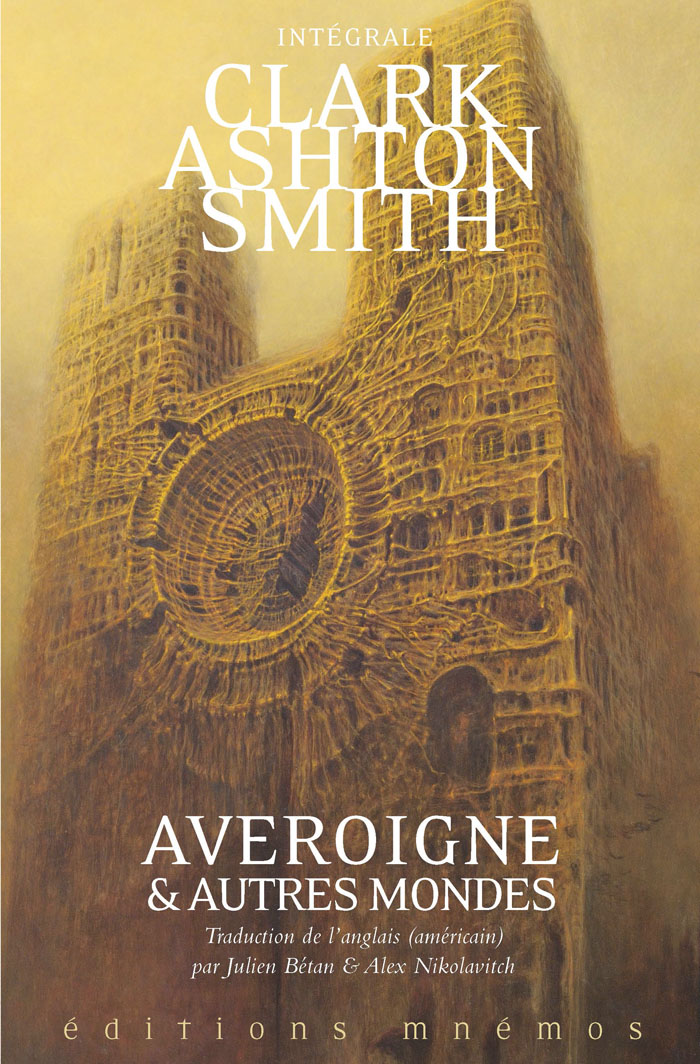
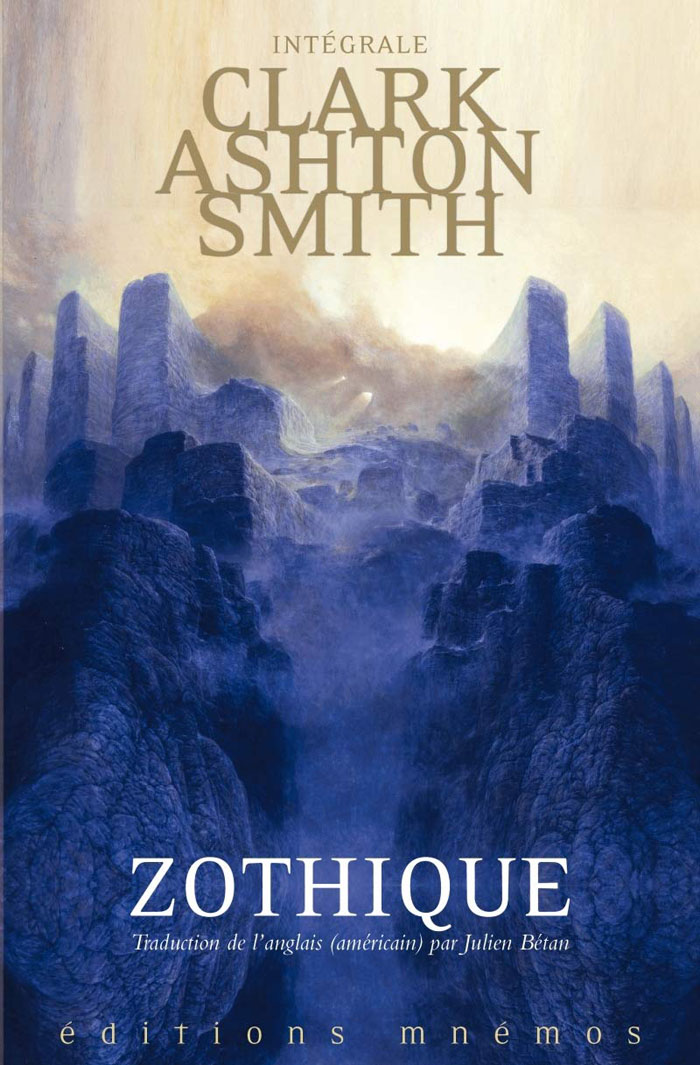
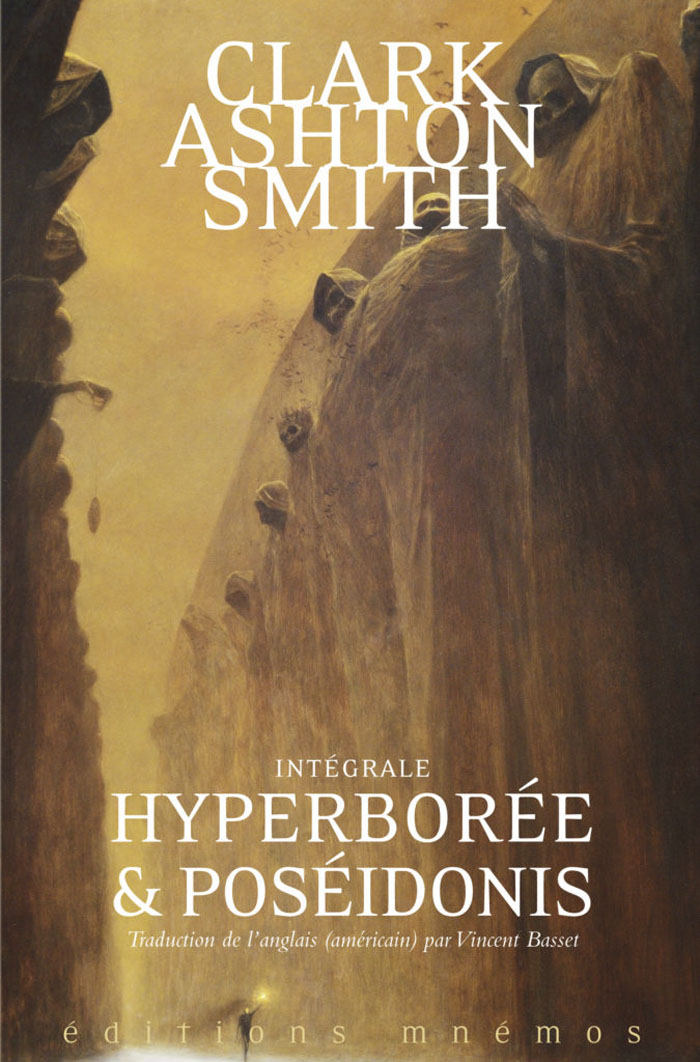
More book covers. Mnémos is a French publisher of horror, fantasy and science fiction some of whose recent titles have their covers filled with paintings by the great Polish artist Zdzisław Beksiński. The pairings of book and picture aren’t always ideal but I appreciate the impulse to choose art from other sources than genre artists. Omni magazine adopted a similar approach in its early issues, matching stories and science features with paintings by artists who are often grouped together as Fantastic Realists: Mati Klarwein, Ernst Fuchs, HR Giger, Bob Venosa, De Es Schwertberger and others. Beksiński’s work was less visible in the late 1970s than that of his contemporaries but one of his (always untitled) paintings did appear in a 1993 issue of the magazine.
mnemos1.jpg

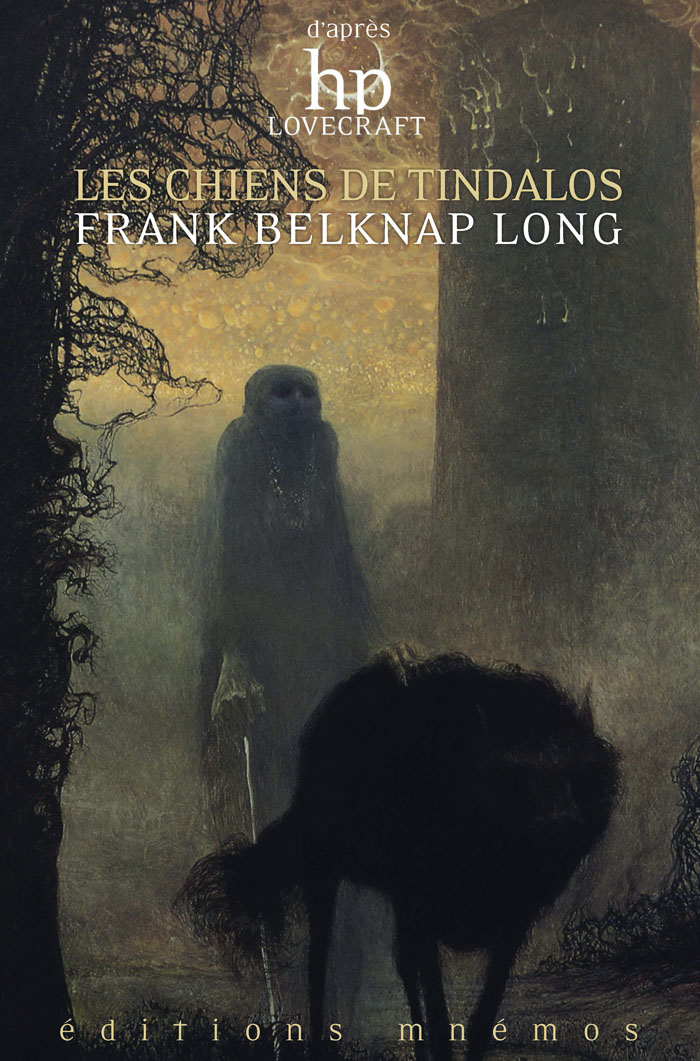
Of the Mnémos covers the one for the collection of Averoigne stories by Clark Ashton Smith is the most immediately fitting, Averoigne being an invented region of France that suits a painting of a Gothic cathedral turned fibrous and fungal. The painting for Zothique, on the other hand, could easily be used for HP Lovecraft’s At the Mountains of Madness, while the dog-like creature on the cover of the Frank Belknap Long collection is nothing like the author’s trans-dimensional hounds. Mnémos have given Lovecraft his own Beksiński covers in a seven-volume collection of translated fiction, Lovecraft, l’intégrale prestige, but there doesn’t seem to be a page anywhere that shows the individual books.
mnemos4.jpg

What the artist would have made of all this attention may be gauged by comments like this one from The Fantastic Art of Beksiński (1998): “Meaning is meaningless to me. I do not care for symbolism, and I paint what I paint without meditating on a story.”
mnemos3.jpg

For more about the anti-symbolist, see The Cursed Paintings of Zdzisław Beksiński by Marek Kepa.

Elsewhere on { feuilleton }
The book covers archive
The fantastic art archive

Previously on { feuilleton }
Cosmic music and cosmic horror
Patricia Highsmith book covers

ph1.jpg

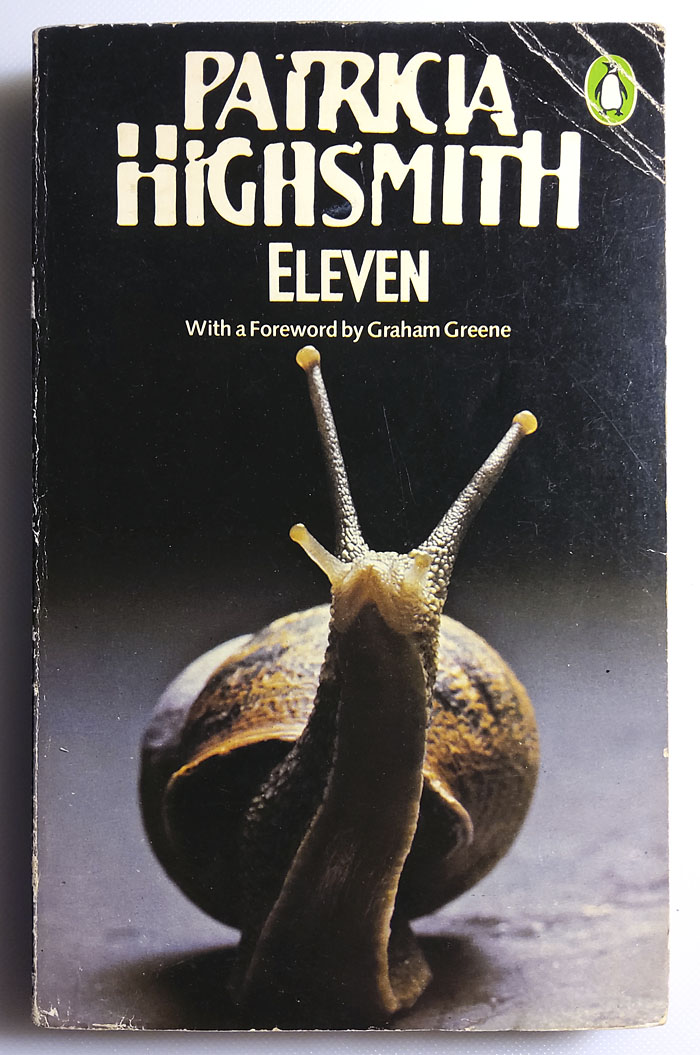
Penguin, 1980; photo by David Thorpe.

A post for Patricia Highsmith, born 100 years ago today. Filling the cover of one of Highsmith’s books with a photograph of a snail may seem like a bizarre or even perverse decision but Eleven is a collection of short stories, two of which concern the author’s beloved gastropods. The snails in The Snail-Watcher and The Quest for ‘Blank Claveringi’ aren’t so lovable, however, and both stories make frequent appearances in horror collections. The Quest for ‘Blank Claveringi’ was even the lead story in The 6th Fontana Book of Great Horror Stories, prompting another snail cover.

ph4.jpg

left: First UK edition, Cresset Press, 1957; no artist credited. Right: Pan, 1960; cover art by David Tayler.

Highsmith’s enduring popularity means that most of her books have remained in print since their initial publication so there are many covers to look at. They’re a very mixed bag, as is often the case with thrillers where two design approaches predominate: symbolism that can either be vague or suggestive, or some kind of illustration which always runs the risk of spoiling the story. Nick Jones’ Existential Ennui blog contains a number of posts about Highsmith’s books, including this one which shows off his collection of first editions. I was surprised to see the bland cover for the original UK publication of The Talented Mr Ripley, an illustration that would suit any number of stories set on the Mediterranean coastline, and which gives no indication of the tangled web of deceit and murder inside the book. Perhaps this is a good thing but it feels like a missed opportunity. Another of Jones’ posts concerns Highsmith paperbacks, and here we see the spoilerish approach with the same novel featuring a painting that shows Ripley pushing Dickie Greenleaf’s body into the sea. This was common form for thriller paperbacks at the time: “Yes, there’s murder in this one!” My 1966 Pan paperback of Deep Water features a similar scene of body disposal (which rather spoiled the story while I was reading it) but it also has the following photo of the author on the back, looking as though she’s wondering how to dispose of your body when the time comes.

ph2.jpg

Pan, 1966; photo by Jerry Bauer. Also another book that features snails.

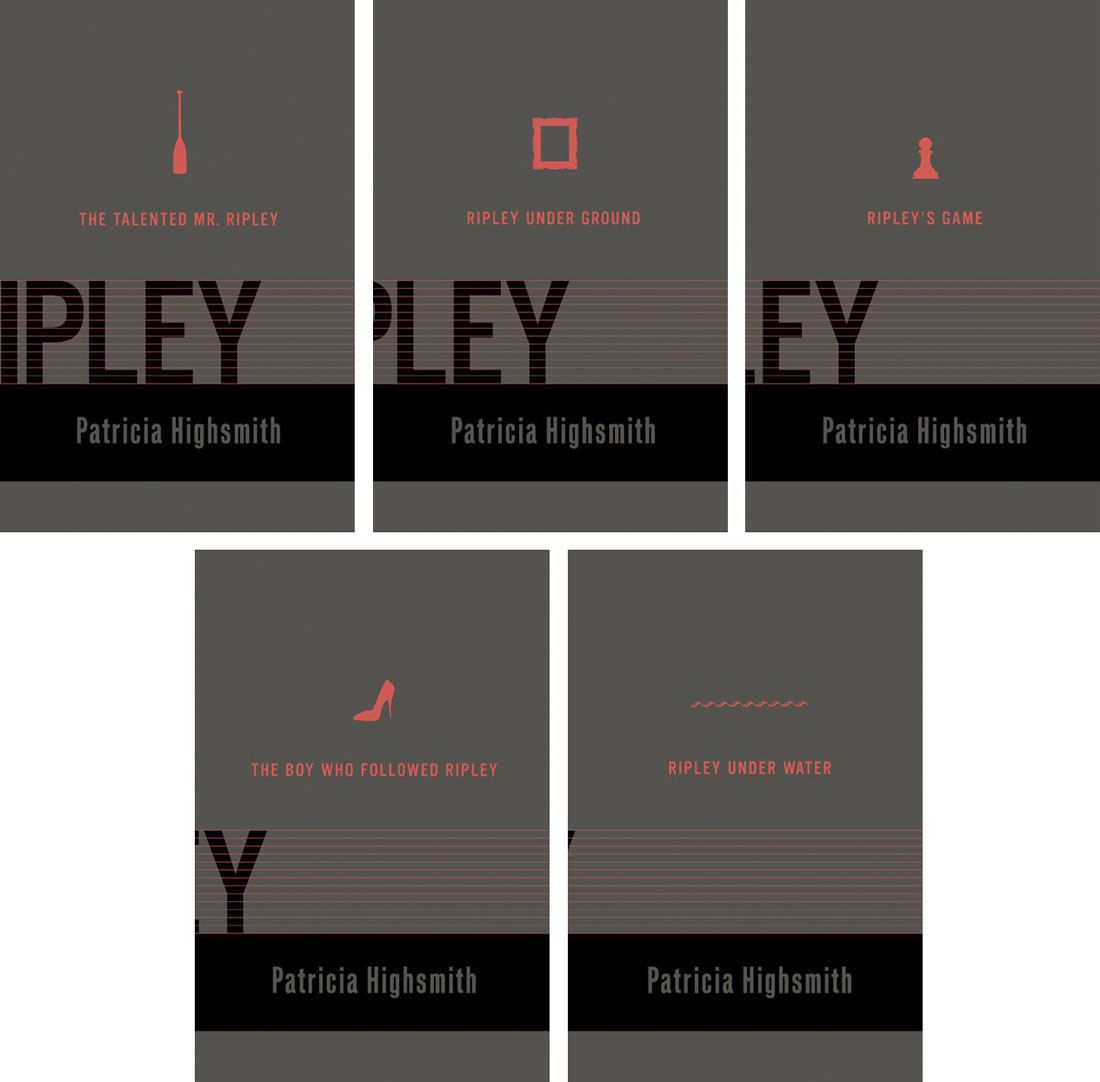
More recent Highsmith covers have tended towards the vague and symbolic, as seen in this blog post by Caustic Cover Critic. I’ve got several of those editions with the sketchy Vintage covers which I don’t like very much, most of them could too easily be applied to another book entirely. The same could be said for the Norton collection of the Ripley novels (below) which go the ultra-minimal route and reduce the contents of each book to a single motif. Individually these motifs might be used elsewhere but taken as a set they become unique. Choosing a high-heeled shoe for The Boy Who Followed Ripley is both funny and fitting but I won’t spoil the story by saying why.

ph3.jpg

Design by Chin-Yee Li.

A handful of Highsmith links:
Mavis Nicholson interviews Patricia Highsmith for Good Afternoon in 1978. From those far-off days when British television didn’t regard intelligent discussion as audience poison.
• “The interview was full of drama, as I suspected it might be.” Naim Attalah’s interview from 1993.
10 Best Patricia Highsmith Books as chosen by the author’s biographer, Joan Schenkar.
Patricia Highsmith’s Confessions and Rebellions at Yaddo by Richard Bradford.
The Patricia Highsmith Recommendation Engine.
Patricia Highsmith on Desert Island Discs, 1979.

Elsewhere on { feuilleton }
The book covers archive

Weekend links 552

keen.jpg

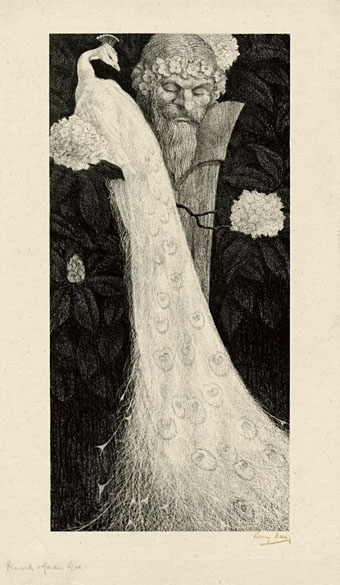
White Peacock and Garden God (c. 1922) by Henry Keen.

• “Though both writers confront some of the most unsavory and unjust dimensions of human life, Genet revels in moral ambiguity and coarse language, while Erpenbeck satisfies her audience’s desire for tidy ethical responses by using careful, equally tidy sentences. Genet’s world is dirty; Erpenbeck’s is clean.” Christy Wampole compares two newly-translated collections of non-fiction writing by Jean Genet and Jenny Erpenbeck.

• Gaspar Noé’s notorious, controversial (etc, etc) Irreversible receives the prestige blu-ray treatment from Indicator in April. Still no UK blu-ray of Enter the Void is there? I had to order a German release.

Stereolab release Electrically Possessed: Switched On Vol. 4 next month, the latest in their series of albums which collect singles, compilation tracks and other rarities.

• At Nautilus: Antonio Zadra and Robert Stickgold on how dreaming is like taking LSD.

• At Dennis Cooper’s: Bollo presents…Éliane Radigue (& The Lappetites).

• Playwriting & Pornography: Adam Baran remembers Jerry Douglas.

• At Spine: Vyki Hendy on the joy of monochrome book covers.

• Mix of the week: Subterraneans 2 by The Ephemeral Man.

John Boardley’s favourite typefaces of 2020.

• New music: Spirit Box by Blanc Sceol.

Life In Reverse (1981) by Marine | Reverse World (1995) by David Toop | Reverse Bubble (2014) by Air

Moebius Redux

moebius1.jpg

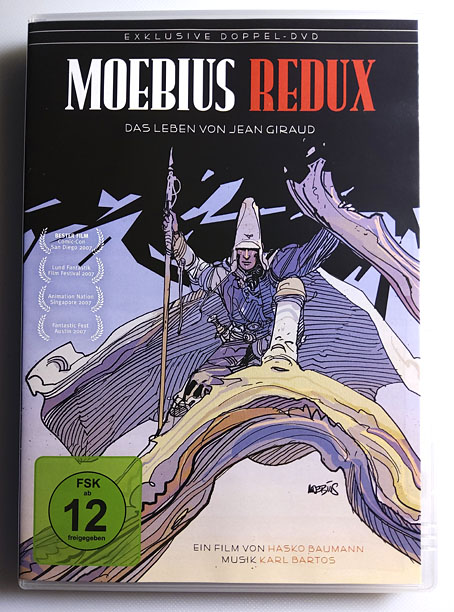
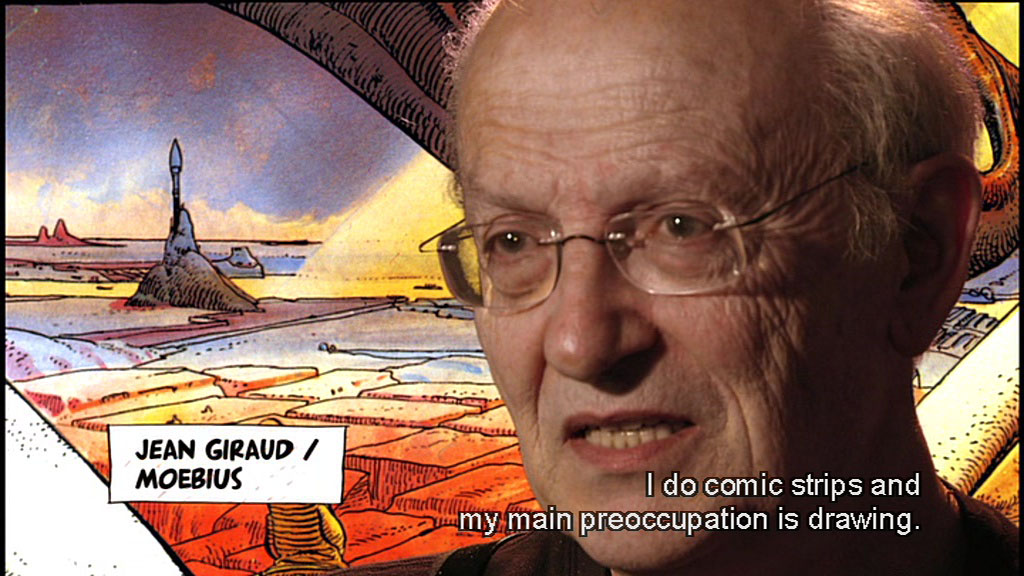
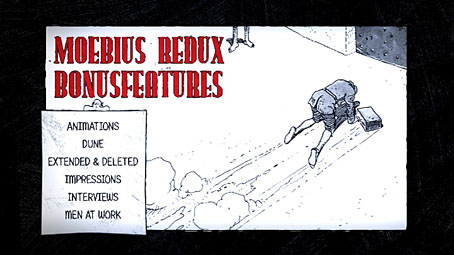
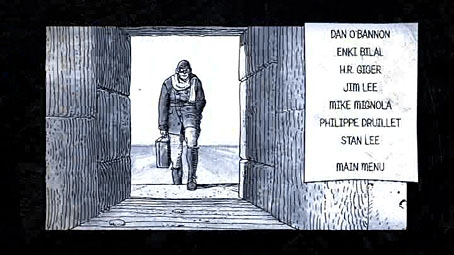
It’s Arzak (or Arzach, or Harzak, or Harzakc, etc) again, arriving in today’s post. Hasko Baumann’s Moebius Redux is one of my favourite arts documentaries of recent years but I only discovered recently that the version broadcast by the BBC in 2007 was shorter by 20 minutes than the original 70-minute running time, hence this purchase. It’s a German DVD but has subtitles in French and English plus an extra disc containing 125 minutes of extras, including extended interviews with Philippe Druillet, Enki Bilal and many others. That’s my weekend viewing sorted.

moebius2.jpg

moebius3.jpg

moebius4.jpg

Previously on { feuilleton }
Jean Giraud record covers
Arzak Rhapsody
The Captive, a film by René Laloux
The horror
Chute Libre science fiction
Heavy Metal, October 1979: The Lovecraft Special

Giger’s first alien: Swissmade: 2069

swissmade1.jpg

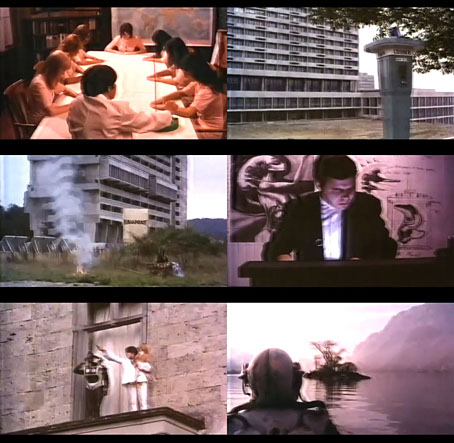
You wait decades for an obscure HR Giger-related film then two copies turn up at once. Swissmade: 2069 (1968) was the last of the short films from Giger’s pre-Alien career that I’d been waiting to see, and is of note for being a 40-minute work of science fiction rather than a documentary about the artist and his art. All the other Giger films have come and gone on YouTube over the past few years although none seem to have had any recent official release apart from Passagen, Fredi M. Murer’s Giger documentary from 1972 which is now available for rent with English subtitles. Swissmade: 2069 was directed by Murer prior to Passagen and is also available for rent at the same site. Alternatively, there’s a fuzzy VHS copy at YouTube with no subtitles. Murer’s film is more properly titled 2069, Swissmade being the umbrella title for a compilation feature that comprised three films by Swiss directors. 1980 (Der Neinsager) by Yves Yersin and Alarm by Fritz E. Maeder were the first two films; 2069 provided the conclusion:

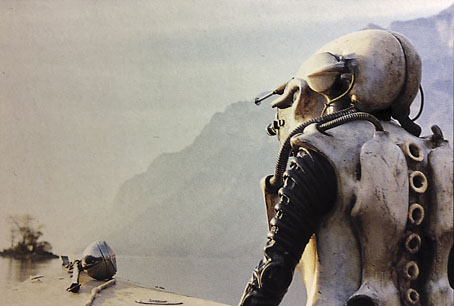
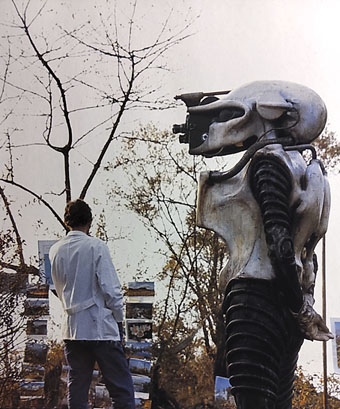
The theme of Fredi M. Murer’s contribution to the episode film Swissmade is “Switzerland after us”. Murer’s episode takes place in the year 2069. An “integrated citizen with a latent tendency to become an unintegrated citizen” is commissioned by the “Brain Center” to produce a film report about the unknown mission of a foreign being. The alien being is an extraterrestrial designed by HR Giger long before Alien with a built-in camera and tape, which travels across the earth in the year 2069 to explore current conditions. The film reporter is Murer himself. Without exception, the performers in real life were authentic 1968 activists, some of whom later made political or artistic careers.

swissmade2.jpg

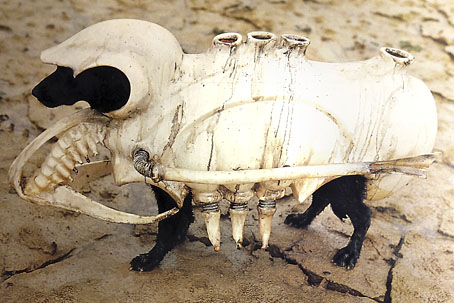
As science fiction this is typical of the period, with the world of the future represented by the most “futuristic” features of 1968 which means Brutalist architecture, Space Age fashion and institutes filled with advanced technology. The most surprising thing about the direction is how casually Murer treats Giger’s alien visitor. The being (played by Tina Gwerder) has a camera in its head and a working tape recorder in its chest but we only see the tape reels turning when the film is halfway through. Another director would have made much more of this, and of the carapace that Giger made for a dog to wear which is only seen in a single shot at the very end. Giger himself has a wordless role, appearing with some of his drawings, as does his partner, Li Tobler. It’s unlikely that many people would be interested in 2069 today without the Giger connection but it’s a well-made curio that points the way to another extraterrestrial with an elongated cranium. (Thanks to Jason for the tip!)

swissmade3.jpg

Stills from HR Giger’s Film Design (1996).

swissmade4.jpg

swissmade5.jpg

Previously on { feuilleton }
HR Giger’s Passagen
Heimkiller and High
The Man Who Paints Monsters In The Night
Hans by Sibylle
Giger’s Tarot
HR Giger album covers
Giger’s Necronomicon
Dan O’Bannon, 1946–2009
Alejandro Jodorowsky’s Dune
The monstrous tome