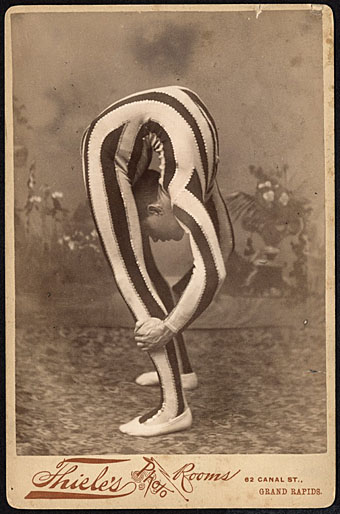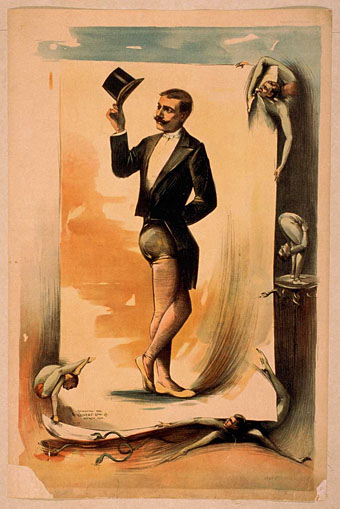
Much of the work I’ve been doing for the past few weeks has been steampunk-related so I’ve been searching for more antique reference material than usual. A recent delve unearthed this pair of vintage contortionists. The photograph above dates from circa 1880 and is from the George Eastman House collection at Flickr. Also at Flickr is a great set of vintage theatre posters which includes the example below. (And also at the Library of Congress.) More about the steampunk work in due course.
Category: {photography}
Photography
Weekend links 29
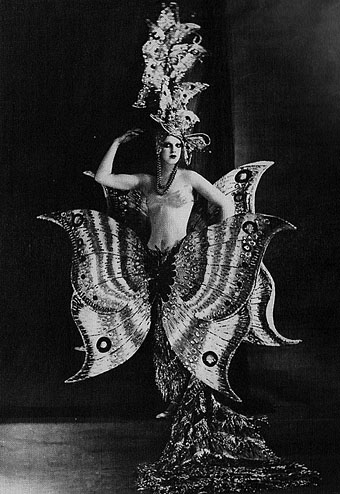
A Folies Bergère dancer, c. 1909.
• Six Novels in Woodcuts: The Library of America publishes a boxed set of Lynd Ward’s works: Gods’ Man, Madman’s Drum, Wild Pilgrimage, Prelude to a Million Years, Song Without Words and Vertigo.
• RIP ace graphic designer Raymond Hawkey. Related: Raymond Hawkey: An eye for detail, and Hawkey’s James Bond cover designs from the mid-60s.
• The Record: Contemporary Art and Vinyl, an exhibition at Duke University, North Carolina, features work by 41 artists from around the world, from the 1960s to the present, using vinyl records as subject or medium.
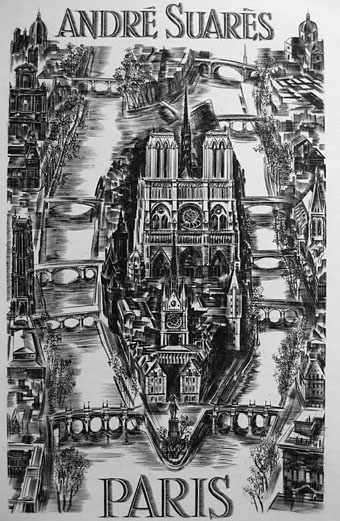
The Île de la Cité, a steel engraving by Albert Decaris (1950).
• Fred Tomaselli will have a new exhibition of his work at the Brooklyn Museum next month.
• Socialist Monuments in Bulgaria photographed by Linda Ferrari.
• What would Howard think of the Mythos Art Dildo?
• Space is Process, a film about Olafur Eliasson.
• Thurston Moore’s Indie Books.
• Chris Colfer in a leather bar.
• Chrome! Helios Creed’s YouTube channel.

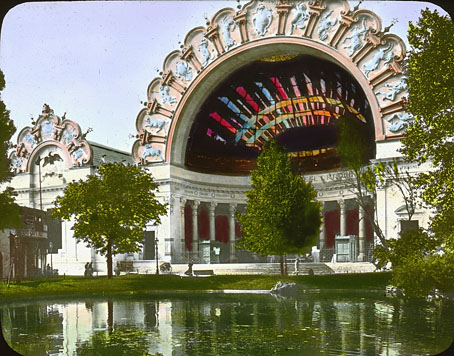
Le Palais de l’Optique, 1900
Here at {feuilleton} the Paris Exposition Universelle of 1900 is never far away. This post is linked to those of the previous two days via the zodiac signs which decorate the lavish canopy on the Palais de l’Optique, one of the smaller exposition halls. The zodiac signs seem oddly inappropriate for displays of scientific endeavour until you discover that the principal attraction was François Deloncle’s Grande Lunette, or Great Telescope, one of the largest refracting telescopes ever built.
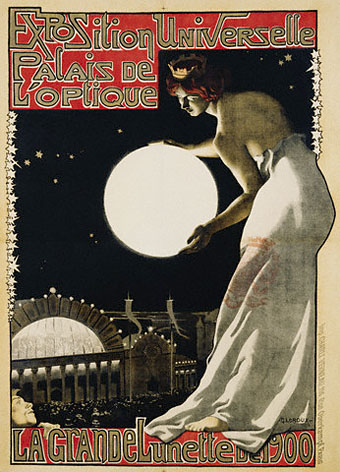
The astrological signs, then, signify the heavens which the telescope allowed an audience to view on a giant screen. The elegant poster advertising the attraction is by Georges Paul Leroux (1877–1957), and was discovered at Gatochy’s Flickr pages. The diagram below shows the colossal scale of thing and—appropriately—ought to be viewed at a larger size on Pignouf’s page. When you consider the small scale of film projections in 1900 the screenings from this monster must have been quite spectacular. The Exposition Universelle 3D Project has additional photos.
Previously on { feuilleton }
• Exposition Universelle films
• Exposition jewellery
• Exposition Universelle catalogue
• Exposition Universelle publications
• Exposition cornucopia
• Return to the Exposition Universelle
• The Palais Lumineux
• Louis Bonnier’s exposition dreams
• Exposition Universelle, 1900
• The Palais du Trocadéro
The recurrent pose 37
This latest example of the ever-recurring pose is a self-portrait by Alexxander, a French student of art history. As one might expect from his nationality and area of study, Alexxander is fully aware of the Flandrin parallel. Thanks once again to Thom for the tip!
Elsewhere on { feuilleton }
• The recurrent pose archive
Mind the doors!
Russian artist Alexey Andreev populates the Moscow Metro with eldritch weirdness in a photo-collage series he calls Metronomicon. A couple of these pieces remind me of Clive Barker’s throat-grabbing story, The Midnight Meat Train, which was filmed a couple of years ago. For an earlier cinematic example of the horror inherent in underground transport systems there’s Gary Sherman’s Death Line, or Raw Meat as it was fatuously rebranded for the US, a very effective low-budget film from 1972. Fantastic Voyages reviews it here.
Andreev tip via MetaFilter.
Previously on { feuilleton }
• Subterrania
• Tunnel 228