Deutsche Kunst und Dekoration #25

dkd25-01.jpg

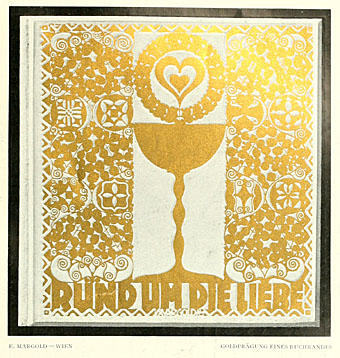
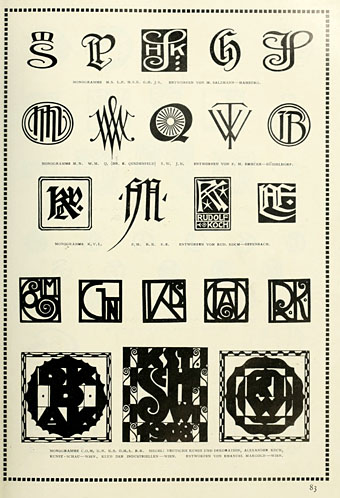
A design by Emanuel Margold.

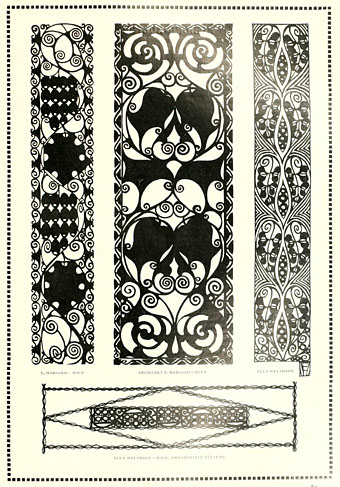
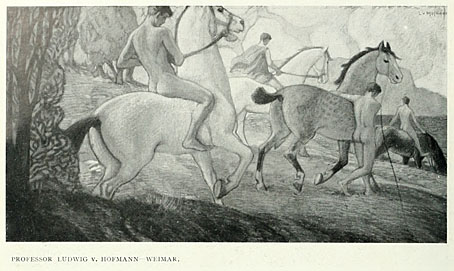
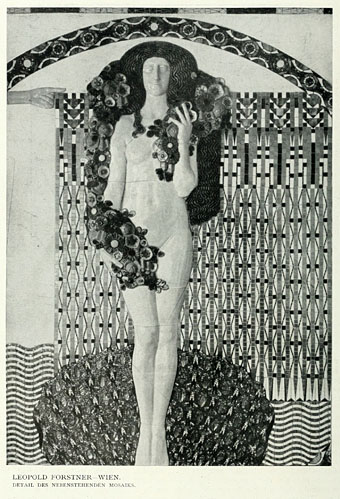
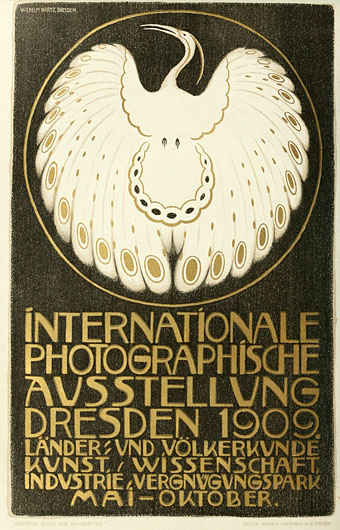
This post concludes the delve into back numbers of Deutsche Kunst und Dekoration, the German periodical of art and decoration. Volume 25 covers the period from October 1909 to March 1909, and while the Internet Archive has further editions available they make a big jump after this number to 1923. The later editions are still interesting, of course, but in presentation and content they’re very different to what went before. Despite the text of these magazines being entirely German it’s been an education going through them not only for the detailed attention given to artists often passed over in books, but also for the articles reporting notable events in European art history as they happened. We have the Robarts Library of the University of Toronto to thank for having made these publications available.

dkd25-02.jpg

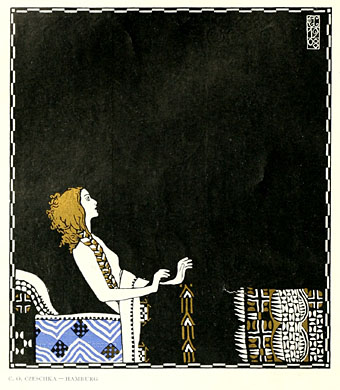
An illustration from a series by Carl Otto Czeschka for Die Nibelungen by Franz Keim.

dkd25-03.jpg

Continue reading “Deutsche Kunst und Dekoration #25”

Deutsche Kunst und Dekoration #24

dkd24-01.jpg

Continuing the delve into back numbers of Deutsche Kunst und Dekoration, the German periodical of art and decoration. Volume 24 covers the period from April 1909 to September 1909, and this is the penultimate edition that I’ll be posting samples from. The checkerboard designs of the Wiener Werkstätte are still being featured in this number but the focus here is on pictorial works rather than interior design. As before, anyone wishing to see these samples in greater detail is advised to download the entire number at the Internet Archive. There’ll be a final volume of DK&D next week.

dkd24-02.jpg

dkd24-03.jpg

Continue reading “Deutsche Kunst und Dekoration #24”

Weekend links 59

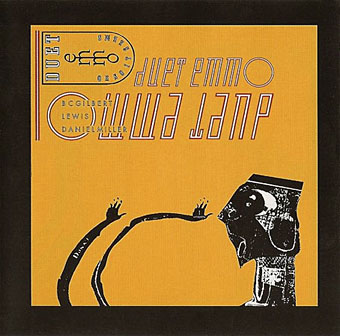
duetemmo.jpg

Or So It Seems (1983) by Duet Emmo. Design by The Brothers Quay.

• “Make things, no rules, but be quick.” Bruce Gilbert, musician in (among others) Wire, Dome and Duet Emmo is interviewed. Related: Daniel Miller, Mute label boss and another member of Duet Emmo is interviewed (and provides a mix) at The Quietus. For more electronica with nothing at all to do with Duet Emmo there’s this Matmos interview.
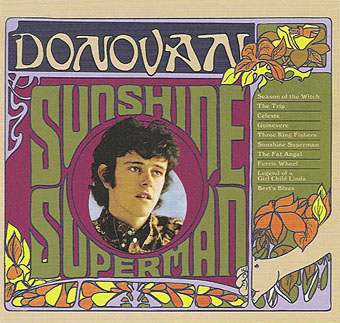
donovan.jpg

Design by Dick Smith.

“It’s psychedelic not because we were stoned before we wrote the songs, or stoned during composing them, but the experiences of searching for the transcendental world though altered states of consciousness were in the songs,” he says, which sounds suspiciously like another way of saying he was stoned before he wrote them, but perhaps it’s best not to quibble with the description of the method in the face of such impressive results…

Donovan revisits one of his finest works, Sunshine Superman.

• Yet more Guardian features: A Clockwork Orange: The droog rides again | Ira Cohen: psychedelic photography master | A life in writing: China Miéville | The stars of modern SF pick the best science fiction.

• There are many stars of the gaseous variety in Nick Risinger’s 5000-megapixel photograph of the Milky Way.

“It is quite true I have worshipped you with far more romance of feeling than a man should ever give to a friend. Somehow I have never loved a woman…. From the moment I met you, your personality had the most extraordinary influence over me…. I adored you madly, extravagantly, absurdly. I was jealous of everyone to whom you spoke. I wanted to have you all to myself. I was only happy when I was with you.”

Salon reviews the new unexpurgated edition of The Picture of Dorian Gray.

• Paul Gorman discovered the gay art origins of the notorious Cowboys T-shirt.

The full complement of Saul Bass’s designs for Vertigo‘s print advertising.

Photos of the recent Dodgem Logic event by Rosie Reed Gold.

Peter Ashworth is still taking great photos.

Jodorowsky’s Dune Finally Revealed?

Sunshine Superman (1966) by Donovan | Or So It Seems (1983) by Duet Emmo.

Deutsche Kunst und Dekoration #23

dkd23-01.jpg

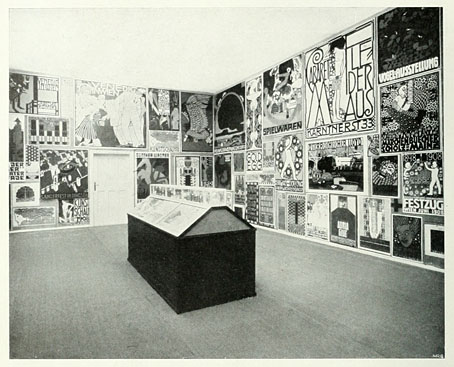
An exhibition of Wiener Werkstätte posters and graphics.

Continuing the delve into back numbers of Deutsche Kunst und Dekoration, the German periodical of art and decoration. Volume 23 covers the period from October 1908 to March 1909, and aside from some dull paintings the Wiener Werkstätte continue to dominate proceedings with photographs and graphics from exhibitions of their work; the slow evolution towards Art Deco continues.

As usual, anyone wishing to see these samples in greater detail is advised to download the entire number at the Internet Archive. There’ll be more DK&D next week.

dkd23-02.jpg

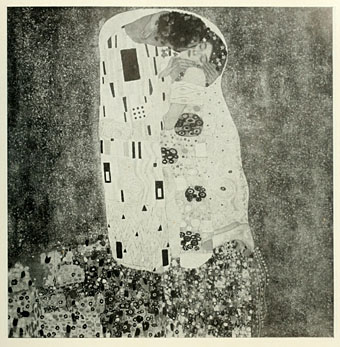
Gustav Klimt turns up again with his most famous work, The Kiss, here named Liebespaar.

dkd23-03.jpg

Continue reading “Deutsche Kunst und Dekoration #23”

Return of the Triumphant Phallus

salviati.jpg

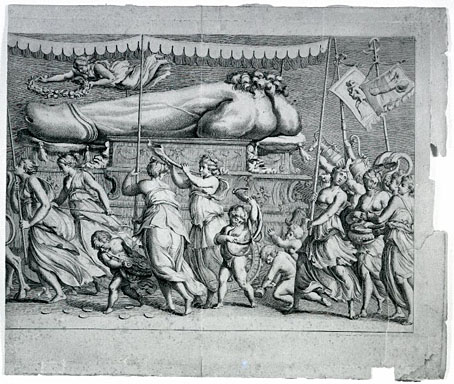
The Triumph of the Phallus (1700–1750).

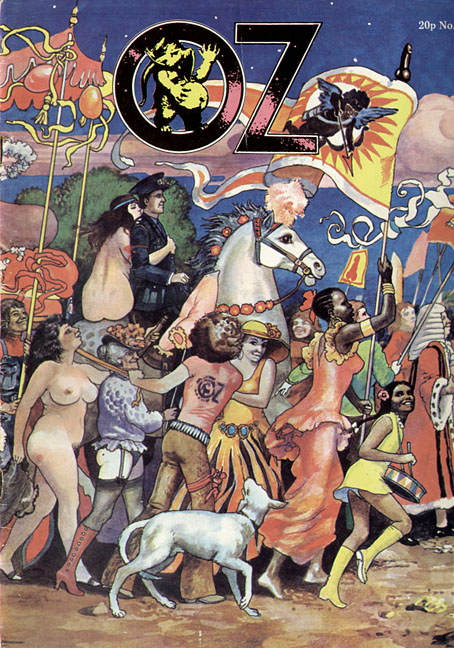
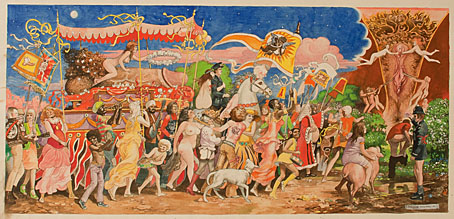
More phallic culture. I posted the above engraving a couple of years ago, an unattributed copy of a drawing by Francesco Salviati (1510–1563) which shows in three panels a giant phallus being driven by a festive crowd towards an equally prodigious vaginal opening. (See the three panels in full here.) A few months after that post I wrote something about British underground artist Jim Leon and failed at the time to notice that Leon had reworked the Salviati procession for a painting used in issue 36 of Oz magazine (July 1971).

oz36.jpg

As is evident, here, the magazine editors carefully cropped Leon’s art to avoid stretching the patience of distributors and vendors. The complete work was printed over two pages inside but in a two-colour version which is less than satisfactory. This issue of the magazine also featured Leon’s far more incendiary Necrophilia piece which was the one I selected for my earlier post. What finally made me recognise the link between Leon and Salviati was a posting of Leon’s original painting on the Maggs Counterculture Tumblr (below).

leon.jpg

Leon shortened the procession but follows the rest of the picture very closely. Given the reversal of Leon’s version it’s possible he may have traced an outline as a guide before starting work, some of the details are a precise match. Oz magazine, it should be noted, was aimed at a general readership yet frequently published erotic art by Leon and others in this kind of matter-of-fact manner, something that’s difficult to imagine anyone doing today outside the porn world. Think about that next time someone asserts that we’re living in an unprecedentedly over-sexed era. You can see the whole of Oz #36 here.

Previously on { feuilleton }
The Choise of Valentines, Or the Merie Ballad of Nash His Dildo
The art of Jim Leon, 1938–2002
The fascinating phallus
The Triumph of the Phallus
Le Phallus phénoménal
Phallic bibelots
The New Love Poetry
Phallic worship
The art of ejaculation