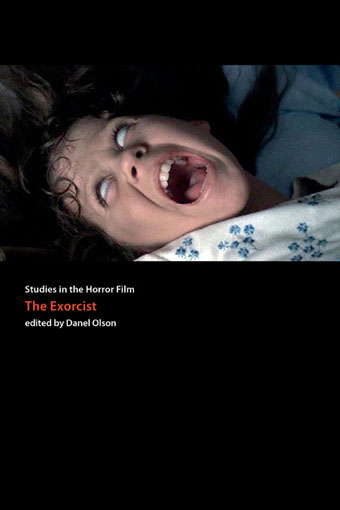
Studies in the Horror Film: The Exorcist edited by Danel Olson

exorcist2.jpg

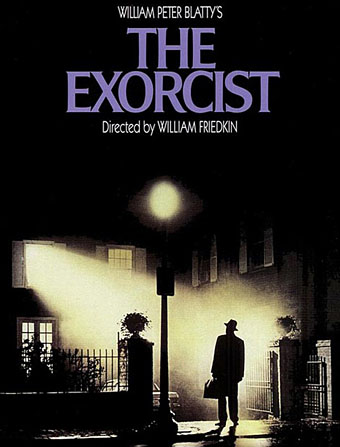
Growing up in the 1970s put cinema-going kids of my generation in a frustrating position: we knew that the censorship of decades past was over but we weren’t old enough to see any of the films benefiting from the relaxed strictures. Consequently some notorious releases grew larger in the imagination than they might have otherwise, especially when their cryptic titles—A Clockwork Orange, Straw Dogs—gave no clue as to their content. Looming larger and darker than all of these was William Friedkin’s The Exorcist whose content was at least clear despite that vague poster design. The film arrived in Britain in March 1974 bearing a ferocious reputation thanks to tabloid reports of a cursed production and hysteria at US screenings. The film’s power has been significantly reduced since its release, not least because of its enormous success which gave us two sequels, a prequel that went through three directors (and ended up as two separate films), a reworked version of the original in 2001, and all the endless parodyings of Linda Blair’s torment.
exorcist3.jpg

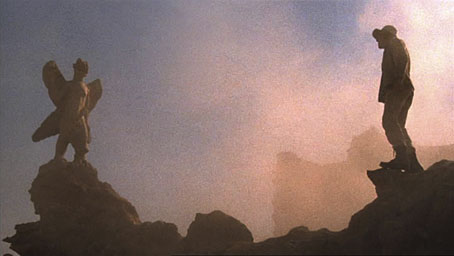
Pazuzu and Father Merrin face off in the desert.

The film and its sequels are explored in a new book from Centipede Press which turned up before Christmas but which has taken me a while to get round to since I wanted to re-watch the film first. I hadn’t seen The Exorcist for many years, the last viewing being a shoddy VHS copy so it was good to see it again in a decent DVD print. I still find the film more admirable on a technical level than as a work of cinematic art: the story has always been a piece of Catholic propaganda—something that author William Peter Blatty freely admits—and even if I set aside my lapsed-Catholic prejudices I have a hard time taking seriously Blatty’s religious narrative. Friedkin is a very good thriller director but the tension sags in the first half of the film when the possessed (or is she?) Regan is being hauled around various hospitals while Father Karras frets about his dying mother and his lapsed faith. A sub-plot with police detective Lee J. Cobb—a pared-down thread from the novel—is completely superfluous. On the plus side, the acting is first-class, the almost wordless sequence in Iraq makes a tremendous opening, and the exorcism itself still packs a considerable punch not least because of Dick Smith’s remarkable makeup effects.
exorcist1.jpg

The Centipede volume is a substantial collection (516 pages) of interviews and essays edited by Danel Olson, part of the publisher’s Studies in the Horror Film series. The interviews are especially worthwhile being taken in part from back issues of Cinefantastique magazine: Friedkin and Blatty appear twice, there are talks with Dick Smith and Friedkin’s editor Bud Smith (no relation), and Paul Schrader discusses his troubled prequel, Dominion (2005).

Among the essay highlights Thomas Ligotti juxtaposes Blatty’s moral and theological universe with the amoral pessimism of HP Lovecraft while Blatty recounts the factual origin of his novel in a piece taken from The Exorcist: From Novel to Film (1974). Successful films that spawn sequels often present challenges for critics when the later installments begin to deviate from the premise of the original. Part of the interest in Olson’s collection is seeing how the writers delve into the imperatives of Hollywood sequelitis for moments of value. The critical essays are thought-provoking without wandering into the quicksands of jargon-ridden academicism: Kendall Phillips examines the influence of The Exorcist on The Texas Chainsaw Massacre (1974), there’s a spirited attempt by James Kloda to defend John Boorman’s much-vilified The Exorcist II: The Heretic (1977), and James Marriott points out that horror films are a continuing source (however debased) of metaphysical speculation.

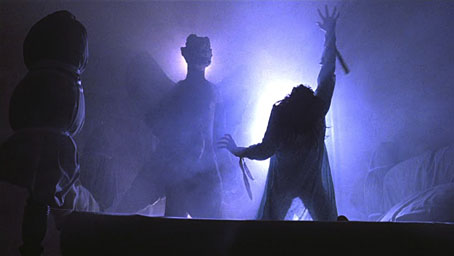
This last notion is an intriguing one: people always take The Exorcist at face value—God and Satan are real; it’s a spiritual battle—yet the demon we see in the film is the Assyro-Babylonian god Pazuzu, a spirit never mentioned by name in the Bible, or in the film for that matter. I’d suggest there’s an argument to be made that it’s only Pazuzu that actually exists as a supernatural force in the film’s world, and that the prayers of the priests confound it but temporarily.
exorcist4.jpg

Pazuzu has entered the building.

The aura of metaphysical threat may have diminished but The Exorcist still wasn’t allowed a UK TV screening until 2001. Something about the idea of people confronting supernatural evil continues to compel, however antiquated the scenario may seem. This isn’t too surprising when we have nominees for the US Presidential elections talking in hyperbolic terms about God and Satan without being widely ridiculed. Then there’s news stories like this recent one in the UK: “Boy ‘tortured and drowned’ over witchcraft claims, court told“. Blatty and Friedkin’s devil child was one of the most influential films of the 1970s, and may well be the most influential despite the continued popularity of the wretched Star Wars cycle. In the past couple of years alone we’ve had The Last Exorcism (2010) and The Rite (2011), with The Devil Inside due to appear on UK cinema screens in March; possessed girls appear in all three films. Danel Olson could easily fill another volume tracing this influence through the decades.

Studies in the Horror Film: The Exorcist isn’t published until March 2012 but can be pre-ordered at Amazon (US) and Barnes & Noble.

Previously on { feuilleton }
A playlist for Halloween: Orchestral and electro-acoustic
Dead on the Dancefloor
The monstrous tome

The art of Ronald Searle, 1920–2012

searle01.jpg

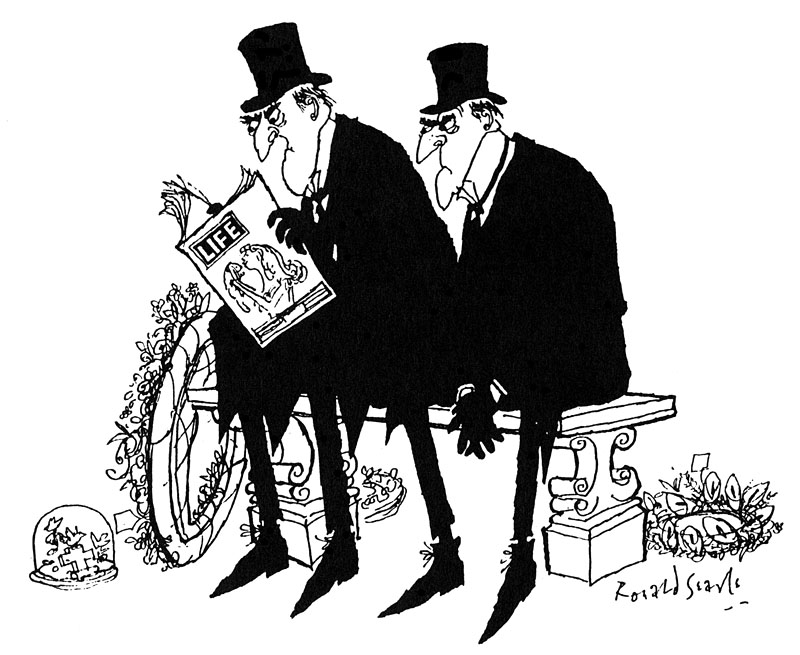
Undertakers. From Punch magazine (undated).

I started trying to draw like Ronald Searle when I was about eight. So there was Jabberwocky and Ronald Searle I was turning into by the time I was thirteen. You know, I was determined to be Lewis Carroll (giggles) with a hint of Ronald Searle.

John Lennon, 1968

Does the late Ronald Searle need any introduction? Everyone knows he created the anarchic schoolgirls of St Trinian’s in the 1940s, although their exploits had the greatest audience in the films based on Searle’s cartoons rather than the original drawings. Searle’s work first came to my attention through reprints of the Molesworth books he produced with Geoffrey Willans in the 1950s—Down with Skool! (1953), How to be Topp (1954), Whizz for Atomms (1956) and Back in the Jug Agane (1959)—a masculine riposte to St Trinian’s which allowed for a broader range of humour than the slapstick and short-skirted salaciousness the films drifted into. The Molesworth books are perhaps best appreciated at age 11 as this LRB review notes; looked at with older eyes all I see is a portrait of a rigidly class-bound nation whose boarding schools, gowned masters, “maters” and “paters” could only inspire affection in the Etonians currently attempting to govern Britain. But the drawings remain a treat: wiry and mordant with flashes of a viciousness that make Searle the godfather of Gerald Scarfe and Ralph Steadman.

searle.jpg

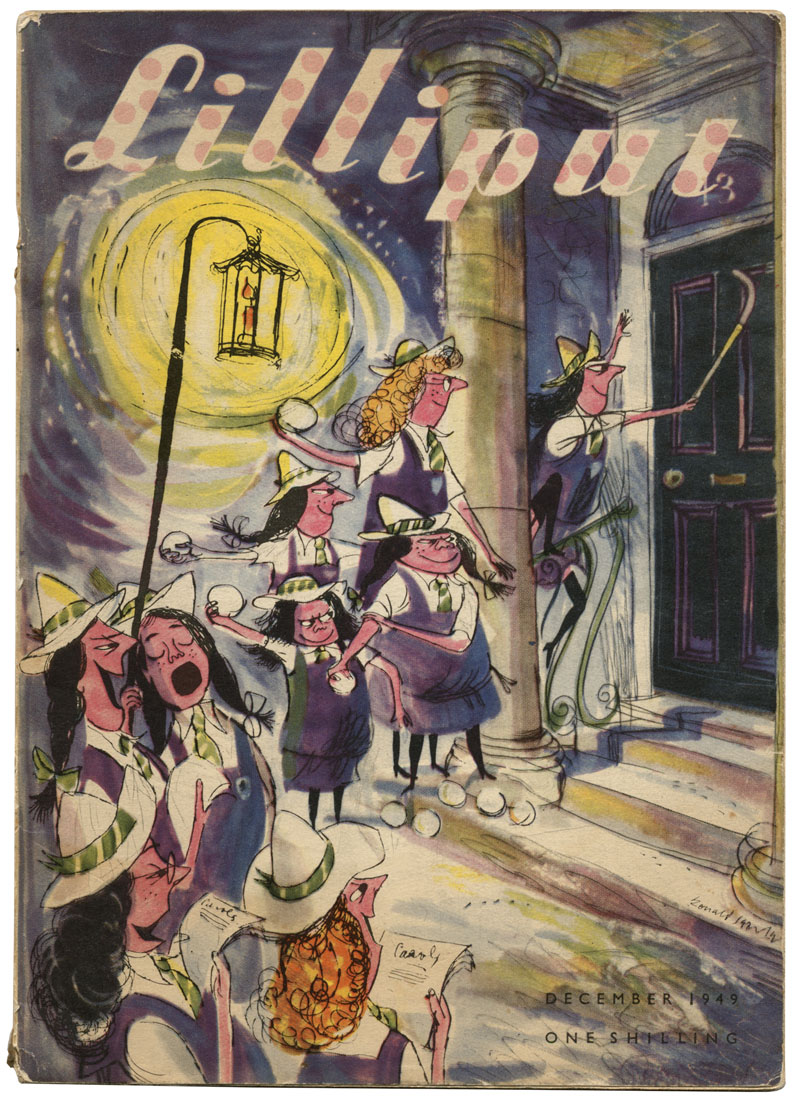
The girls of St Trinian’s, Lilliput magazine, December 1949.

Given Searle’s influence on generations of newspaper cartoonists it’s no surprise that the British papers are being free with the plaudits. Links to various stories follow. The images here are taken from earlier posts or pulled from my bookshelves. The illustration of Engelbrecht below is from the Savoy Books edition of Maurice Richardson’s The Exploits of Engelbrecht which I designed in 2010.

Guardian obituary | Telegraph obituary | NYT obituary
• Ronald Searle in pictures: Telegraph | Guardian
Ronald Searle: a life in pictures by Steve Bell.
Mike Leigh: ‘Ronald Searle was my inspiration’.
Ronald Searle: Now let’s have some fizz: Gerald Scarfe remembers his friend and childhood hero.
Ronald Searle was our greatest cartoonist – and he sent me his pens, says Martin Rowson.

Other links:
Perpetua, the Ronald Searle tribute
Searle at VTS
Winespeak at BibliOdyssey

searle03.jpg

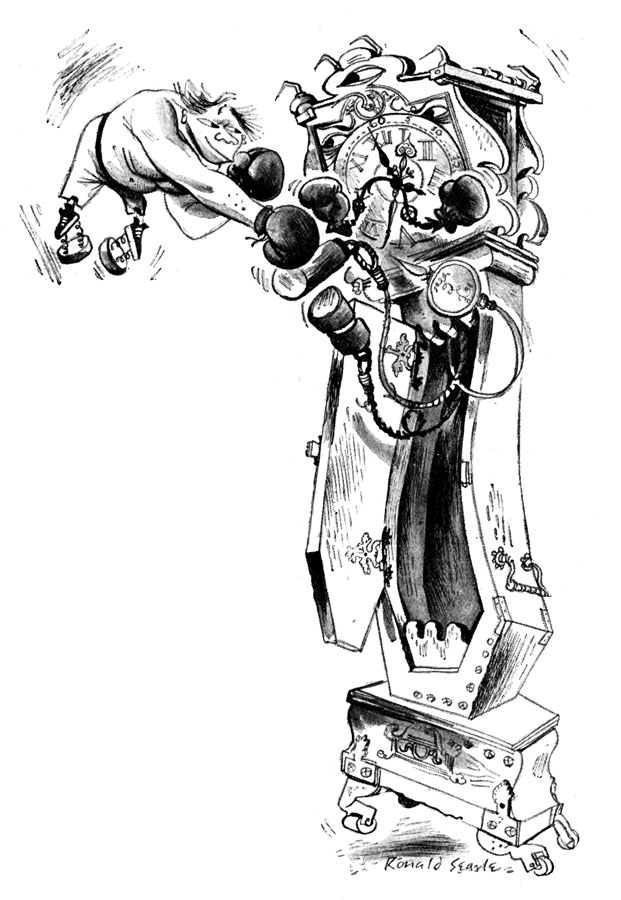
Engelbrecht versus Grandfather Clock. From The Exploits of Engelbrecht (1950) by Maurice Richardson.

molesworth.jpg

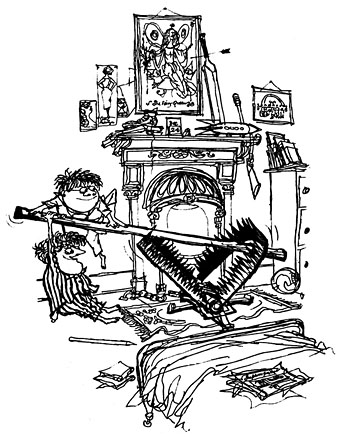
“A trap for dere Santa”. From How to be Topp (1954) by Geoffrey Willans and Ronald Searle.

searle02.jpg

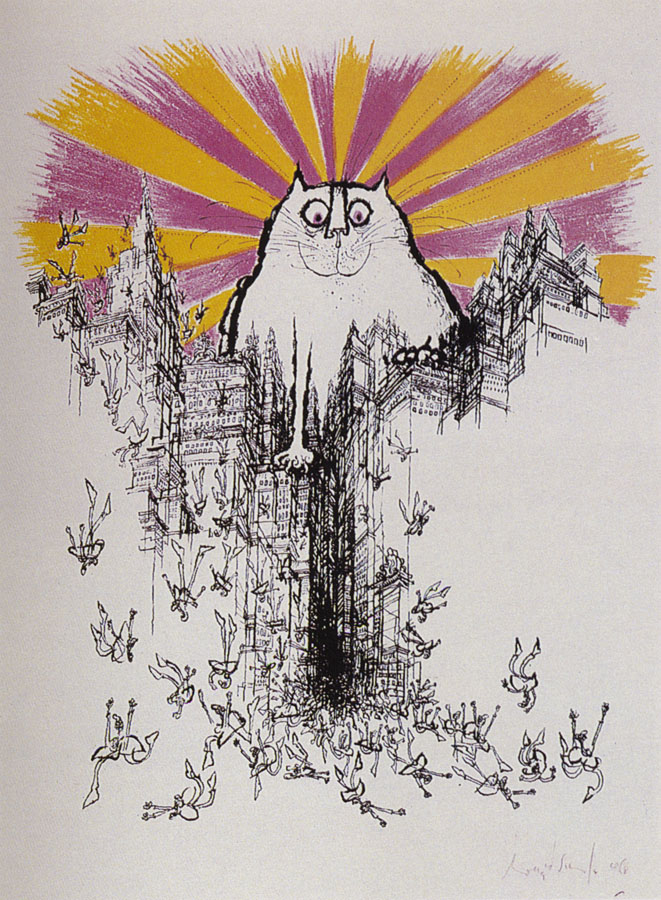
The Coming of the Great Cat God (1968).

Elsewhere on { feuilleton }
The illustrators archive

Previously on { feuilleton }
Engelbrecht lives to fight another day
Ronald Searle book covers
Engelbrecht again

Weekend links: 2012 edition

life1912.jpg

The Hand of Fate, Life magazine, October, 1912. Artist unknown.

In Search of Barney Bubbles: the great graphic designer is profiled on BBC Radio 4, Monday, 2nd January. And speaking of album cover designers, Cool Hunting talked to Storm Thorgerson about his work.

• FACT mix 310 is a hugely eclectic two-parter from Moon Wiring Club. Grab it while it’s still available. And there’s also Solstmas 2011/2: The Final Countdown, a mix by El Minko Misterioso.

• One of the music events of the new year will be the release of Captain Beefheart’s Bat Chain Puller album. Pre-order it here.

In 1972, at the age of thirty-one, [Fred] Halsted released L.A. Plays Itself, a film which drew upon Kenneth Anger’s surrealist eroto-expressionism, and went way beyond Anger’s sublimated homoeroticism to explicitly portray gay male S/M sex. In 1969, when Halsted first decided to make a sexually explicit film, he decided to create a part for himself, and then be that part.

Halsted Plays Himself by William E. Jones reviewed at Lambda Literary

• Lunar Rover: An interview with Steve Moore and extract from Somnium.

Battersea Power Station, a graveyard of architectural schemes.

Editors might admire a fine book, but are overridden by marketing and accounting departments who now have the final say. I know of a novel that wasn’t accepted by one publisher after the manuscript was first submitted to W.H. Smith, who said that it wouldn’t sell enough.

Jenny Diski on the state of fiction publishing in the UK

• EU copyright on James Joyce‘s works ended at midnight.

Dressed to Kill: Dispelling the Myths of Men in Drag.

The Geology of the Mountains of Madness

Mandala of the Day

Chomeography

The Floppy Boot Stomp (1978 mix) by Captain Beefheart and the Magic Band.

Let England Shake

pjh00.jpg

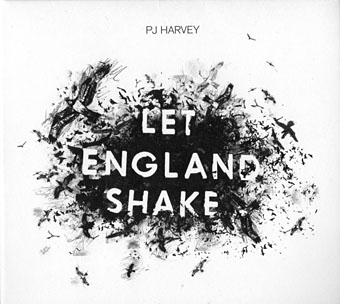
Design by Michelle Henning, drawings by PJ Harvey.

An album that’s been a continual visitor to the Coulthart CD player over the past few months, Let England Shake was consciously composed like George Crumb’s Black Angels “in time of war”, referencing not only wars present but those long past. Coiled around the bellicose theme is a portrait of a nation whose patriotism is built on sand. England did shake this year, and the unavoidable correlation of PJ Harvey‘s words with the events of the summer makes her album stand in relation to 2011 the way The Specials’ Ghost Town did to 1981.

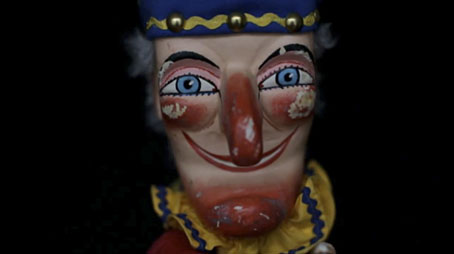
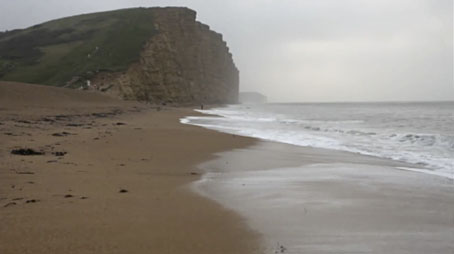
In addition to the CD, Let England Shake also comes as a DVD of a dozen short films by photographer Seamus Murphy, one film for each song. Harvey and Murphy have very generously put the full set on YouTube in HD. Follow the links below.

pjh01.jpg

Let England Shake

pjh02.jpg

The Last Living Rose

pjh03.jpg

The Glorious Land

Continue reading “Let England Shake”

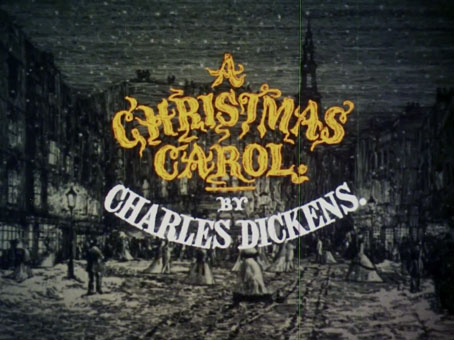
Richard Williams’ Christmas Carol

williams1.jpg

It’s easy to loathe the teeth-grinding sentimentality of Charles Dickens’ seasonal tale, as well as its subtext which isn’t so far removed from Emperor Ming’s instruction to his cowed populace in Flash Gordon: “All creatures shall make merry…under pain of death.” Yet as a ghost story I prefer A Christmas Carol to the sketchier The Signal-Man, and I’ve always enjoyed this memorable 1971 adaptation from the animation studio of the great Richard Williams.

williams2.jpg

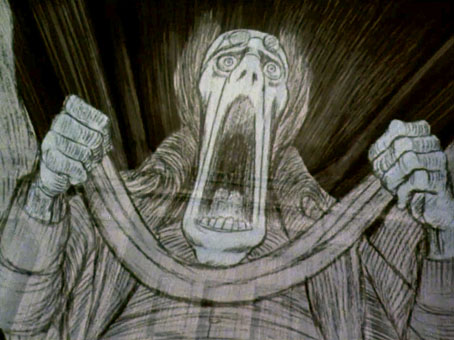
Marley’s ghost.

Williams is best known today for his role as animation director on Who Framed Roger Rabbit? but prior to this he’d distinguished himself as creator of the florid title sequence for What’s New, Pussycat? (1965), and the animated sections—done in the style of 19th-century engravings and political cartoons—for Tony Richardson’s The Charge of the Light Brigade (1968). Williams’ Christmas Carol owes a similar debt to Victorian graphics, not only to the original story illustrations by John Leech, but also to Gustave Doré’s views of Victorian London, scenes which had earlier influenced the production design for David Lean’s adaptation of Oliver Twist. Williams’ film crams Dickens’ story into 25 minutes but nonetheless manages to maintain the tone of the original to a degree which eludes many feature-length travesties, especially those in which the nightmare squalor of Victorian London is reduced to a shot or two of dressed-down extras. Dickens had first-hand experience of the squalor: Kellow Chesney’s The Victorian Underworld (1970) quotes at length from one of the journeys Dickens took (under police escort) through the notorious St Giles rookery, and his ghost story was intended as much as a warning to the complacency of middle-class Victorian readers as a Christmas celebration.

williams3.jpg

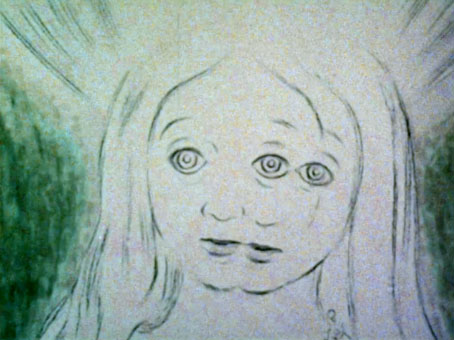
The Ghost of Christmas Past.

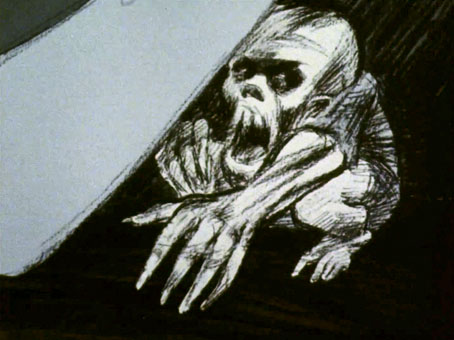
For me the crucial moment in any adaptation comes when the Ghost of Christmas Present shows Scrooge the figures of Ignorance and Want: in most film versions these tend to be a pair of well-fed child actors in rags and make-up; Williams shows us two grim spectres that owe more to Gerald Scarfe than Walt Disney. Williams is also truer to the ghosts themselves: Dickens describes Jacob Marley unfastening his jaw which falls open then remains that way while he proceeds to speak to his former friend; the Ghost of Christmas Past is the androgynous figure from the story with its ambiguous nature also shown by its shimmering indeterminate outline.

williams4.jpg

Ignorance.

Any animated drama relies on its voice actors, and Williams was fortunate to have Alistair Sim (as Scrooge) and Michael Hordern (as Marley) reprising their roles from the 1951 film version, while Michael Redgrave narrates the tale. The film used to be a seasonal fixture of British television, and may still be for all I know (I haven’t owned a TV for years). For the time being it’s on YouTube, of course, with a full-length version here that’s blighted by compression artefacts but is watchable enough. 2012 is the Dickens bicentenary so expect to hear a lot more about the author and his works in the coming year.

Update: The version linked to originally has been deleted. No matter, there’s a much better copy here (for now).

As usual I’ll be away for a few days so the { feuilleton } archive feature will be activated to summon posts from the past below this. Have a good one. And Gruß vom Krampus!

Previously on { feuilleton }
“Who is this who is coming?”