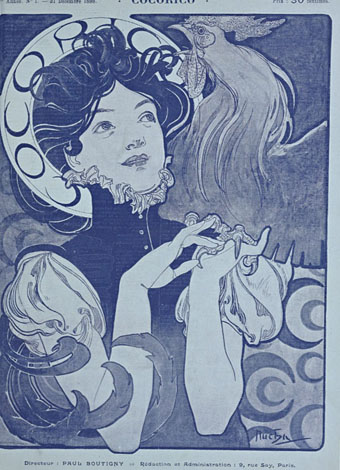
Cocorico covers

cocorico01.jpg

Alphonse Mucha.

For a while now I’ve been waiting for several French journals of the fin de siècle to turn up online but humour magazine Cocorico has never been among them. I knew that Alphonse Mucha had contributed a handful of covers and some other graphics to Cocorico, notably the frontispiece (below) which ran in every issue. What I didn’t realise was that this title was effectively the French counterpart to Jugend magazine which had been running for two years when the first issue of Cocorico appeared in December 1898. Both magazines share the same mix of humorous articles, cartoons, serious art pieces and poetry, all connected by some very fine Art Nouveau graphics.
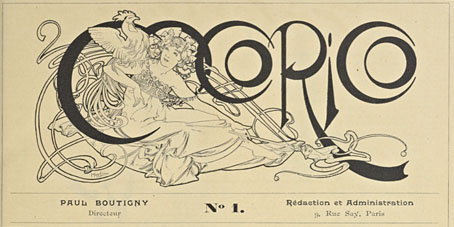
cocorico19.jpg

Alphonse Mucha.

Jugend has the edge when it comes to the graphics, some of which are very strange, but Cocorico looks much more like a humour magazine to contemporary eyes, with many cartoons that resemble those drawn today. Cocorico is also mostly free of the Jugend brand of satire which is often little more than nationalist rabble-rousing. Cocorico ran for 63 issues to 1902 by which time its format had changed and the florid graphics had been abandoned for a more sober layout. What follows is a selection of cover designs, many of which are Mucha’s work, and all of which follow the Jugend template of varying the art style and title design. There’s also one by František Kupka (or François as he was credited here) who also contributed interior illustrations in the later issues. There’ll be more about him tomorrow.
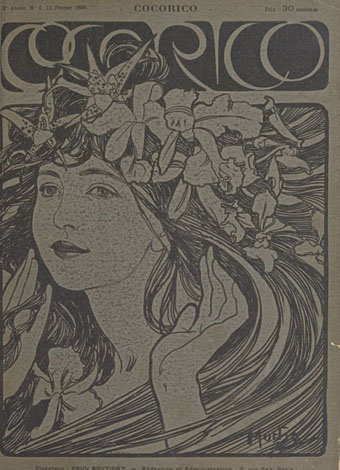
cocorico02.jpg

Alphonse Mucha.

Continue reading “Cocorico covers”

Weekend links 256

beardsley.jpg

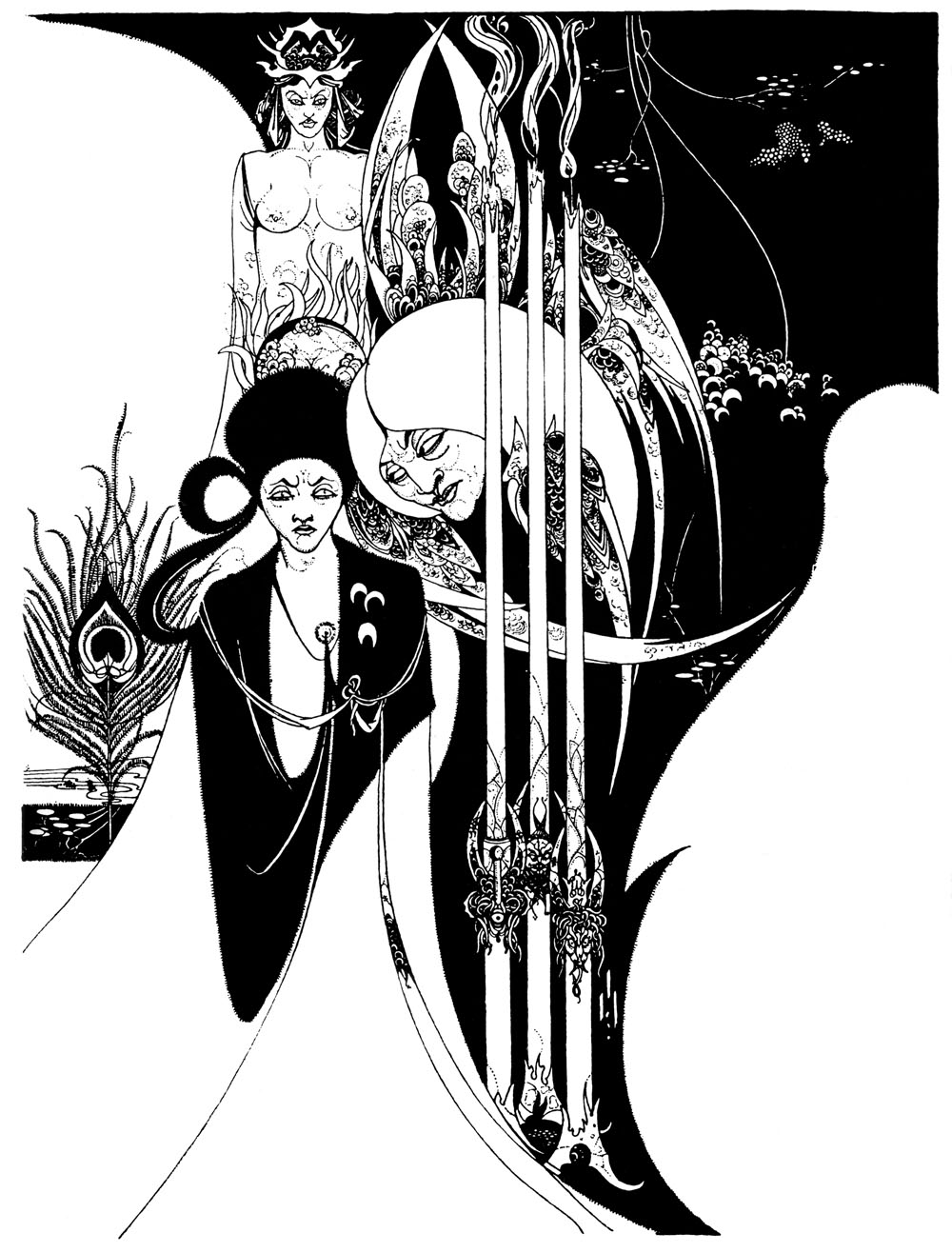
Of a Neophyte, and How the Black Art Was Revealed unto Him by the Fiend Asomuel. Aubrey Beardsley for the Pall Mall Magazine, 1893.

• The occult preoccupations of the 1970s appear to be in the ascendant just now. Whether this is mere nostalgia or something in the zeitgeist remains to be seen but BBC Radio 4 aired an hour-long documentary on the subject this weekend entitled Black Aquarius. The guest list implies an inevitable focus on film and television but Matthew Sweet covered a lot of ground, taking in the Hermetic Order of the Golden Dawn, Aleister Crowley, Dennis Wheatley, The Process Church, and Alex Sanders, the public face of British witchcraft in the 1960s and 70s. Earlier this week at AnOther the focus was on Maxine Sanders, High Priestess of the Alexandrian coven and putative fashion icon even though she was generally photographed naked. Maxine and husband Alex are unavoidable when reading about UK occultism in the 1970s; among other things they were occult advisors to Satanic rock band Black Widow, and also released an album of their own in 1970, A Witch Is Born. Of more interest is Sacrifice by Black Widow, a 55-minute concert for German TV’s Beat Club.

• Jacques Rivette’s OUT 1 (1971) is a film more talked about than seen, in part because of a running time that exceeds 12 hours. So news of a Blu-ray release later this year is very welcome.

• “Bruce LaBruce: taking zombie porn and gay homophobic skinheads to MoMA”. The director goes through his filmography with Nadja Sayej.

• “Art is anarchistic, and when it becomes categorized, it loses impact.” RIP Bernard Stollman, founder of the amazing ESP-Disk record label.

• Magickal (and pseudonymous) synth music by Mort Garson: Black Mass (1971) by Lucifer, and The Unexplained (1975) by Ataraxia.

Kevin Titterton on Angelo Badalamenti and the soundtrack that made Twin Peaks.

• Mix of the week: Secret Thirteen Mix 149 by Robert Aiki Aubrey Lowe.

Rare Decay, a free bonus track from Aurora by Ben Frost.

Alan Garner is celebrated in a new collection, First Light.

• At Dangerous Minds: The Residents’ radio special, 1977.

Black Sabbath (1969) by Coven | Black Sabbath (1970) by Black Sabbath | Her Lips Were Wet With Venom (Satan Oscillate My Metallic Sonatas 1 & 2) (2006) by Boris & Sunn O)))

The art of David Haines

haines1.jpg

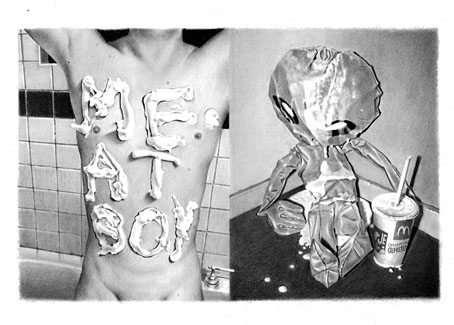
Meatboy and Alien I (2015).

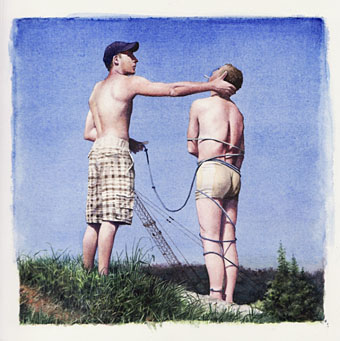
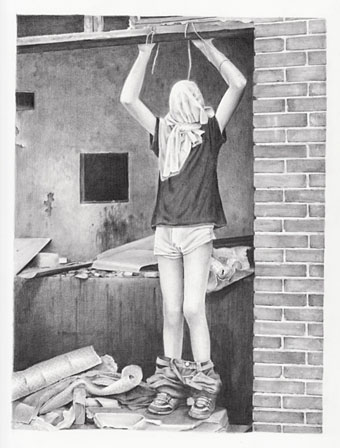
I’ve not added much to the gay artists archive recently even though it continues to be the most popular destination for all the silent visitors. David Haines is a recent discovery who fits the bill, a British artist resident in Amsterdam who specialises in meticulous pencil drawings and watercolours of homoerotic scenarios, many of which are coercive and implicitly violent. There’s a selection at the Upstream Gallery and more at the artist’s website.

haines2.jpg

Crane (2012).

haines3.jpg

Boy with a Veil (2011).

Continue reading “The art of David Haines”

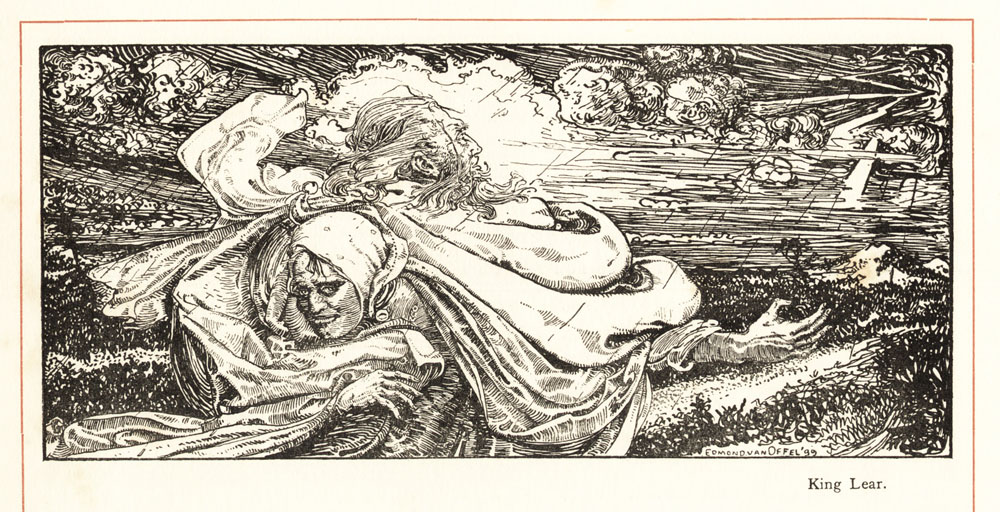
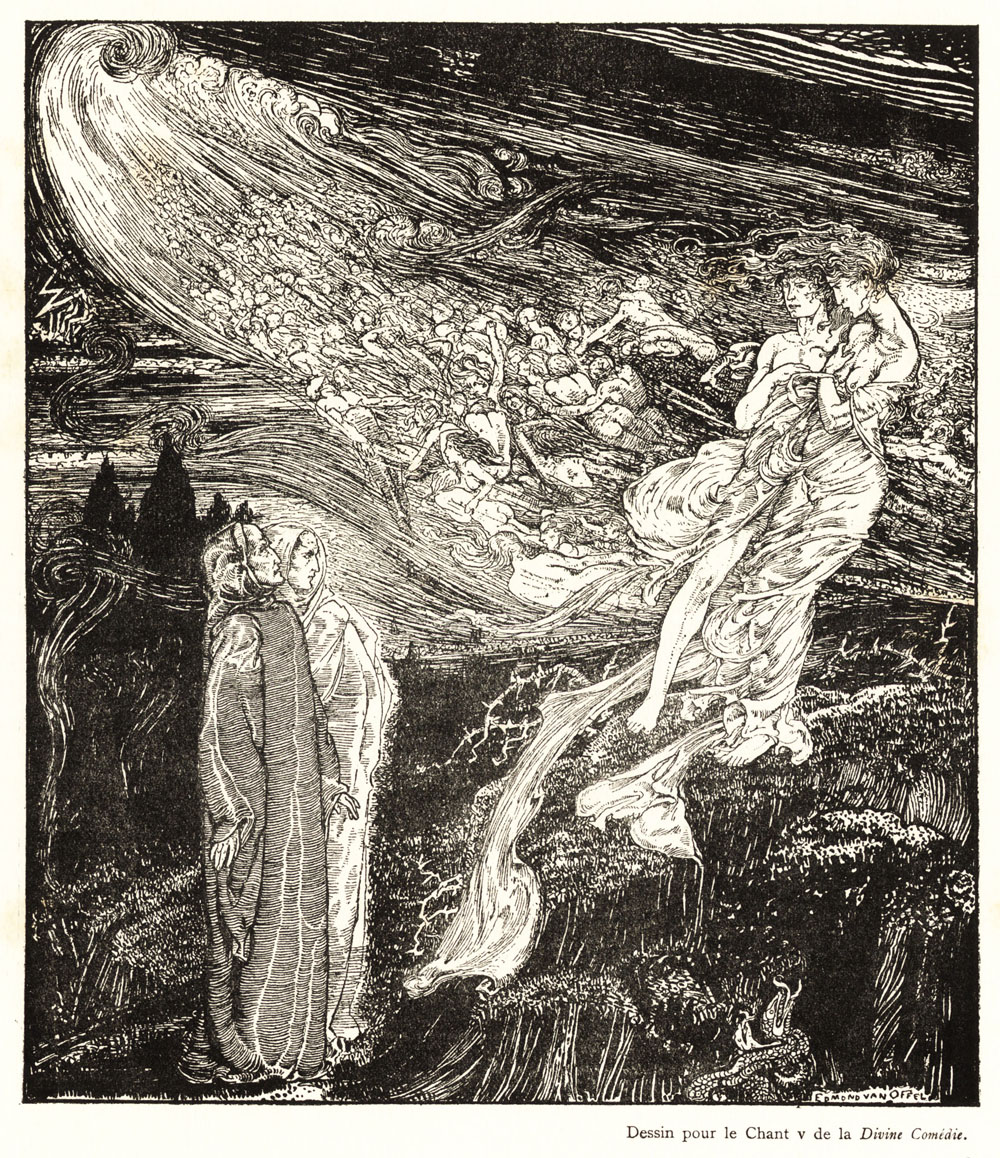
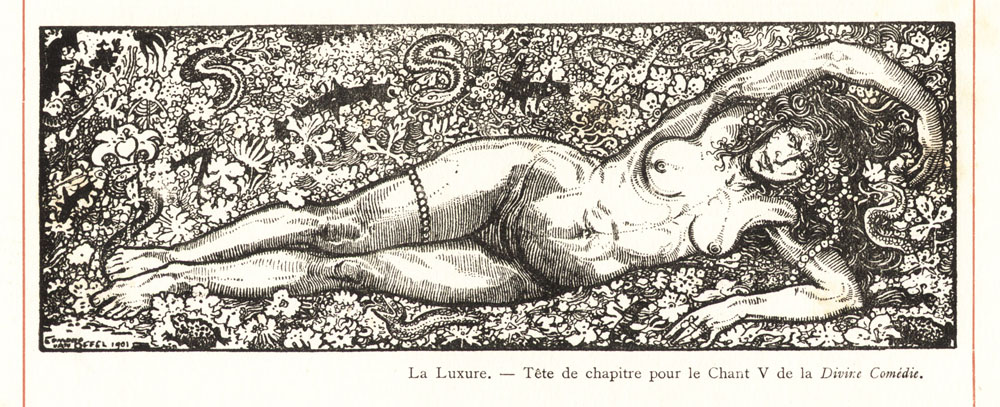
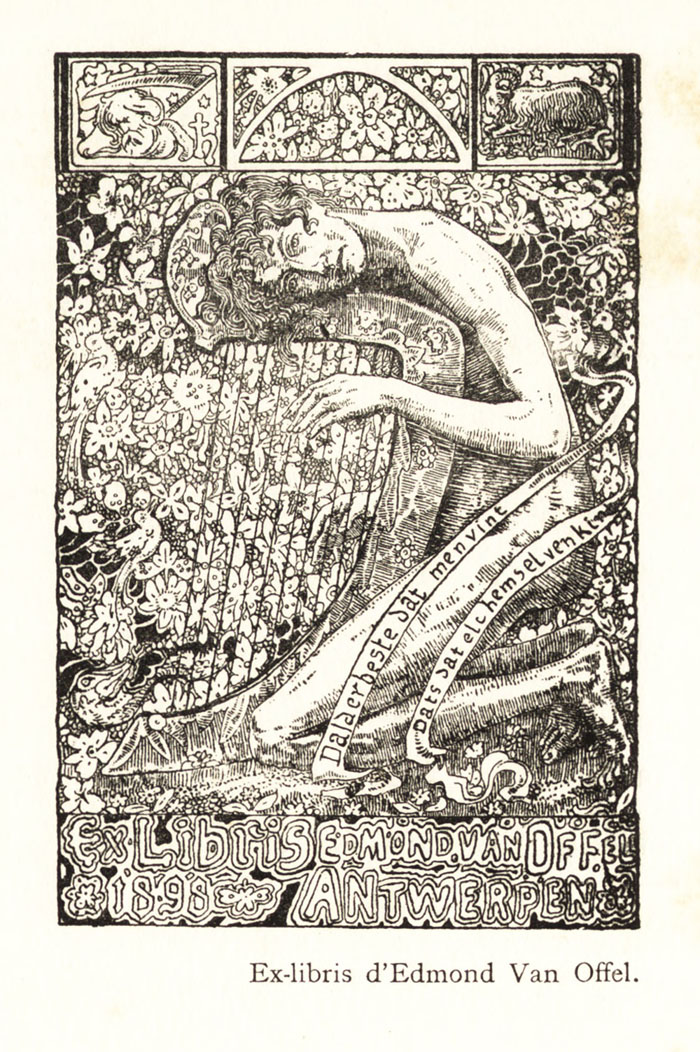
The art of Edmond van Offel, 1871–1959

offel01.jpg

Edmond van Offel was a Belgian artist who Philippe Jullian features in two of his books about Symbolist art but whose work I’d not seen anywhere else—at least until now. All the pictures here are from a collection published in Paris in 1902 which may be the one Jullian used for his selections. The book contains both Jullian drawings together with a great deal of other work comprising illustrations, vignettes, bookplates and also some of the artist’s writings. Offel’s combination of detailed line-work and attenuated figures is reminiscent of Charles Ricketts who may have been an influence.

offel02.jpg

offel03.jpg

offel04.jpg

Continue reading “The art of Edmond van Offel, 1871–1959”

Symbolist Temptations

khnopff.jpg

The Temptation of St Anthony (1883) by Fernand Khnopff.

This should really be more Symbolist Temptations since Odilon Redon belongs among these artists. Redon may have devoted more of his time than anyone else to the saint’s travails but other artists also took up the theme. Fernand Khnopff seldom depicted religious subjects but his painting—an early work—is remarkable for the way it reduces the phantasmagoric pageants of previous centuries to a simple face-to-face confrontation.

rops.jpg

The Temptation of St Anthony (1878) by Félicien Rops.

Félicien Rops, on the other hand, can always be relied upon to be vulgar and blasphemous in equal measure. The Devil lurking behind the cross was probably added to balance the composition but that silly expression makes the picture seem more comical than shocking. Similar skull-faced cherubs may be found in other Rops prints.

Continue reading “Symbolist Temptations”