Weekend links 550

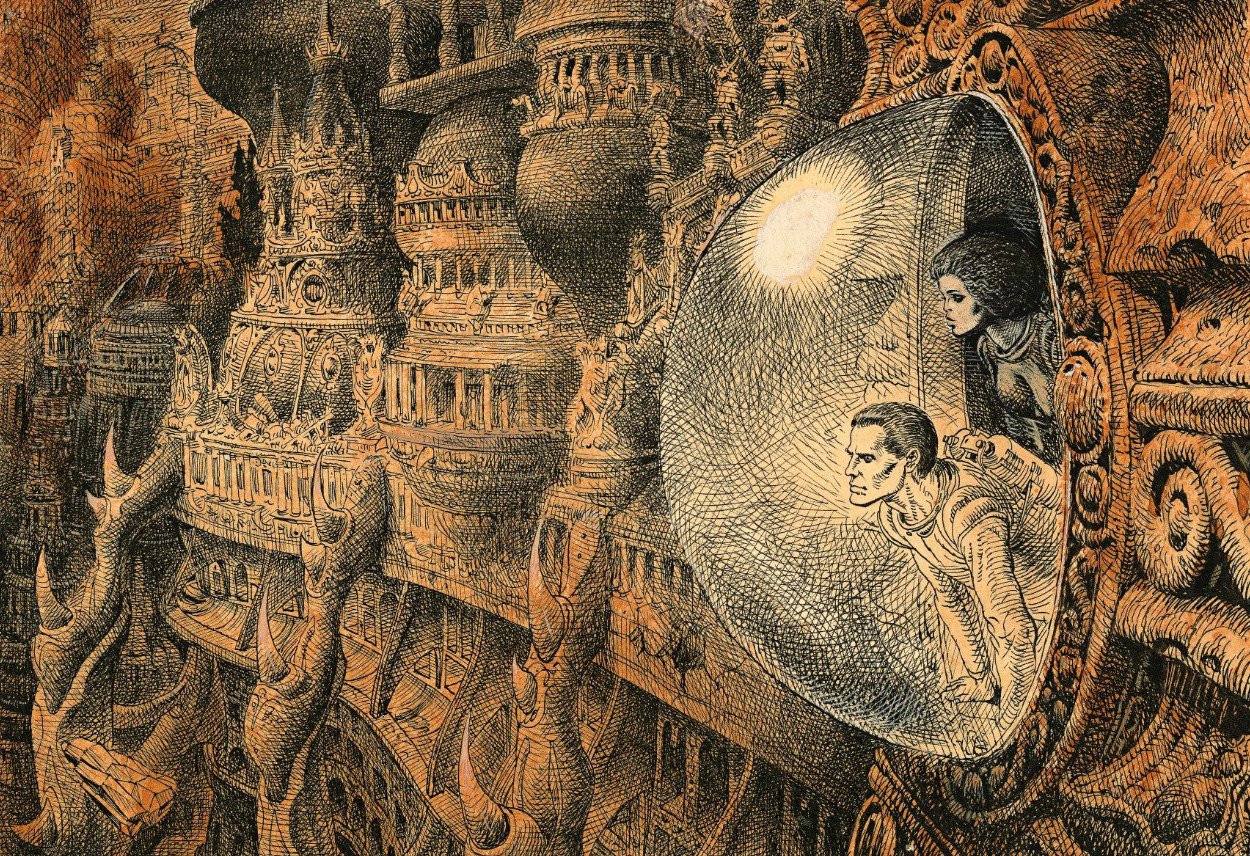
moebius

Illustration by Moebius for Les Robinsons du Cosmos (1970) by Francis Carsac.

Notre Dame des Fleurs is a collection of art based on or inspired by the Jean Genet novel. The book, which includes some new work of mine, will be published in February. Editor Jan van Rijn has a trailer for it here. It’s limited to 150 copies so anyone interested is advised to pre-order.

• Books that made me: William Gibson‘s influential reading. Good to see him mention Suttree by Cormac McCarthy, an outstanding novel that might be better known if it wasn’t for the gravitational pull of McCarthy’s other works.

• Zagava have announced a paperback reprint of The Art of Ilna Ewers-Wunderwald, a collection of neglected Art Nouveau drawings and designs compiled by Sven Brömsel.

• At Dennis Cooper’s: Black_Acrylic presents…He Stood In The Bath And He Stamped On The Floor: A Joe Meek Day.

• More yearly roundups: Our Haunted Year 2020 by Swan River Press, and The Year That Never Was by blissblog.

• New music: Spaceman Mystery Of The Terror Triangle by The Night Monitor.

Ralph Steadman’s guided tour through six decades of irrepressible art.

• At Greydogtales: Valentine Dyall: Mystery and Mesmerism.

• At Wormwoodiana: The Esoteric in Britain, 1921.

• At Strange Flowers: Marie Menken’s Lights.

I Want To See The Bright Lights Tonight (1974) by Richard and Linda Thompson | Neon Lights (1978) by Kraftwerk | Lights (1980) by Metabolist
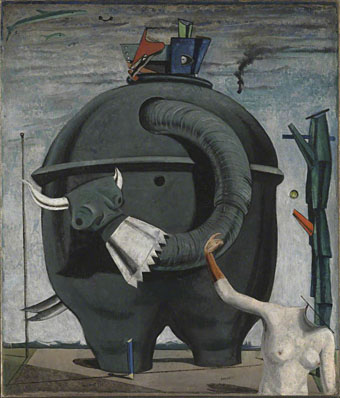
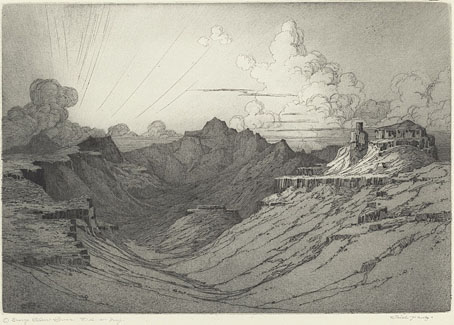
02021

ernst.jpg

The Elephant Celebes (1921) by Max Ernst.

Happy new year. 02021? Read this.

burr.jpg

Desert Sunset (1921) by George Elbert Burr.

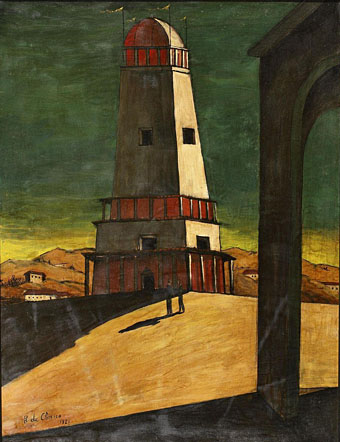
dechirico.jpg

The Great Tower (1921) by Giorgio de Chirico.

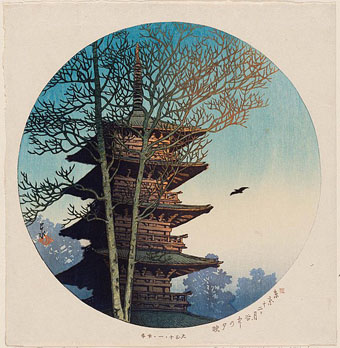
hasui.jpg

Evening Glow at Yanaka (1921) by Hasui Kawase.

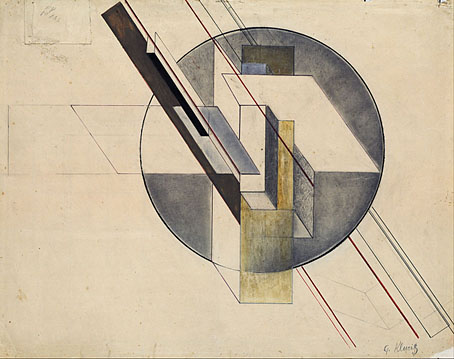
klucis.jpg

Construction (1921) by Gustavs Klucis.

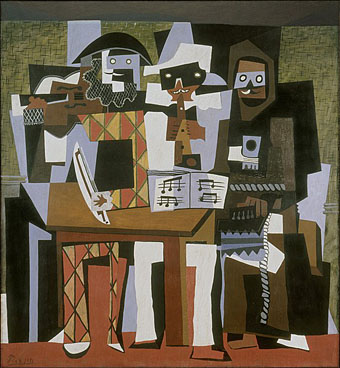
picasso.jpg

Three Musicians (1921) by Pablo Picasso.

pogany.jpg

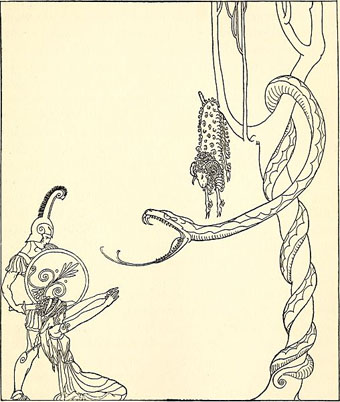
Illustration by Willy Pogány for The Golden Fleece and the Heroes Who Lived Before Achilles (1921) by Padraic Colum.

schlemmer.jpg

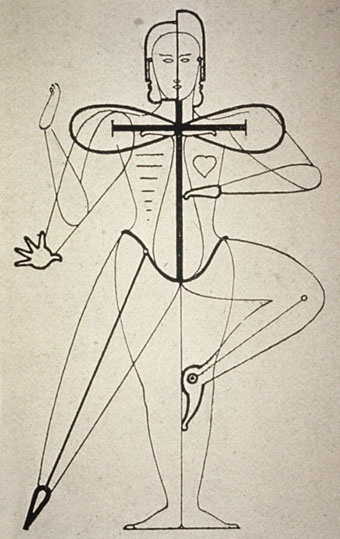
Sketch of Figural Movement for Dance (1921) by Oskar Schlemmer.

Curious Relations

curious.jpg

“It is the function of creative people to perceive relations between thoughts, or things, or forms of expressions that seem utterly different, and to be able to Connect the seemingly Unconnected.” — William Plomer

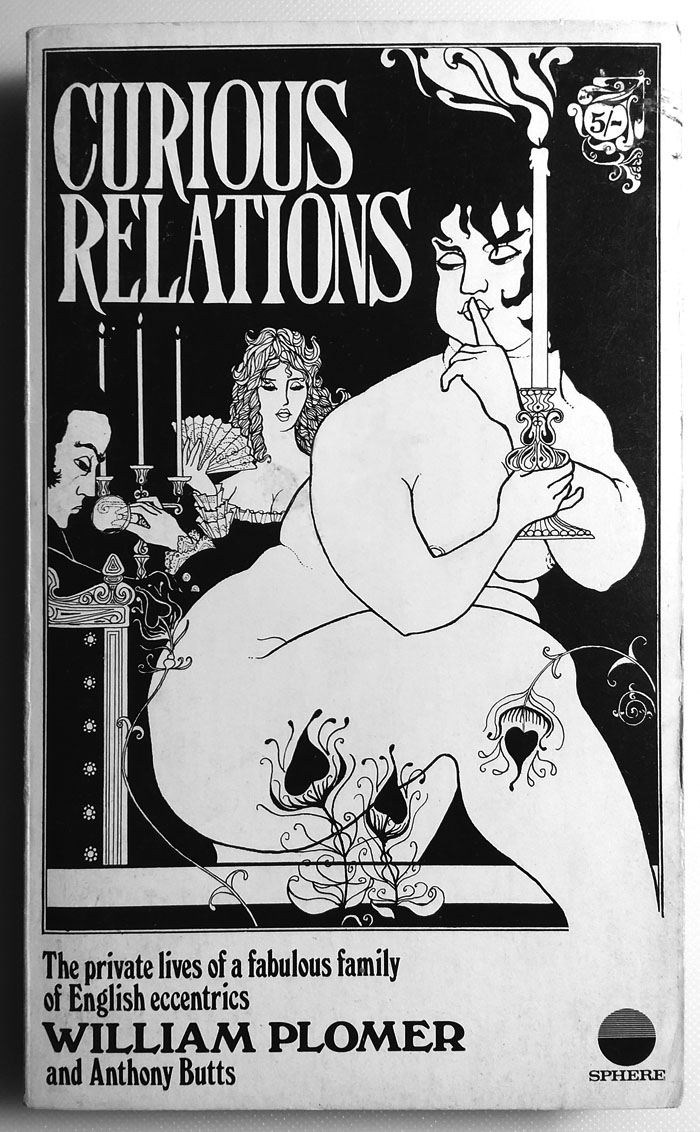
Regular readers will know that I relish an art mystery, and also enjoy finding pastiches of Aubrey Beardsley’s endlessly influential drawings. The cover of this book by William Plomer and Anthony Butts, a gift from the generous Mr TjZ, manages to combine both fixations in one. Curious Relations was first published in 1947 with the authors concealed behind the pseudonym “William D’Arfey”. The Sphere edition dates from 1968, a year when Beardsley mania was still prevalent in Britain following the landmark retrospective of the artist’s works at the V&A in 1966. The mystery on this occasion is the identity of the cover artist who isn’t credited, although the solution (for once) hasn’t been particularly elusive. After looking through the Sphere covers at ISFDB I guessed that Bill Botten might be responsible since publishers have a tendency to redeploy artists and designers, and Botten’s covers for science fiction novels displayed a bold graphic style. The guess proved correct, thanks to Mr Botten having a website that details his long career as designer, illustrator and art director for Sphere, Jonathan Cape and others. Some of his other covers have a Beardsley-like quality although there don’t seem to be any more direct pastiches.

bataille.jpg

Bill Botten cover for My Mother (1972) by Georges Bataille.

As for Curious Relations, this is Plomer and Butts’ account of the upstairs and downstairs world of the d’Arfeys and the Mountfaucons, two invented branches of the Edwardian aristocracy based on Butts’ own family, a confection that looks bizarre and absurd enough for me to enjoy. Where the English upper classes are concerned I prefer to see them skewered by the acid wit of Saki; I only want to hear about Downton Abbey if it’s invaded by Sredni Vashtar and his ravening polecat horde. Biographical notes describe Plomer as homosexual so that’s another plus if this is reflected in the book. The double entendre of the title suggests as much. We’ll see.

Elsewhere on { feuilleton }
The Aubrey Beardsley archive

Mr Sandman

sandman1.jpg

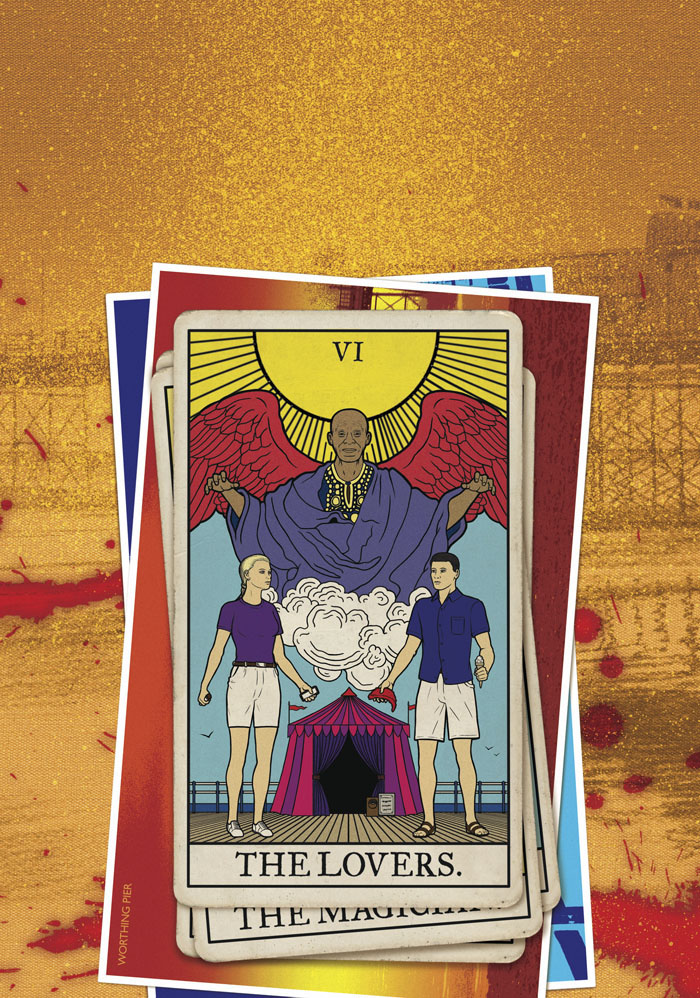
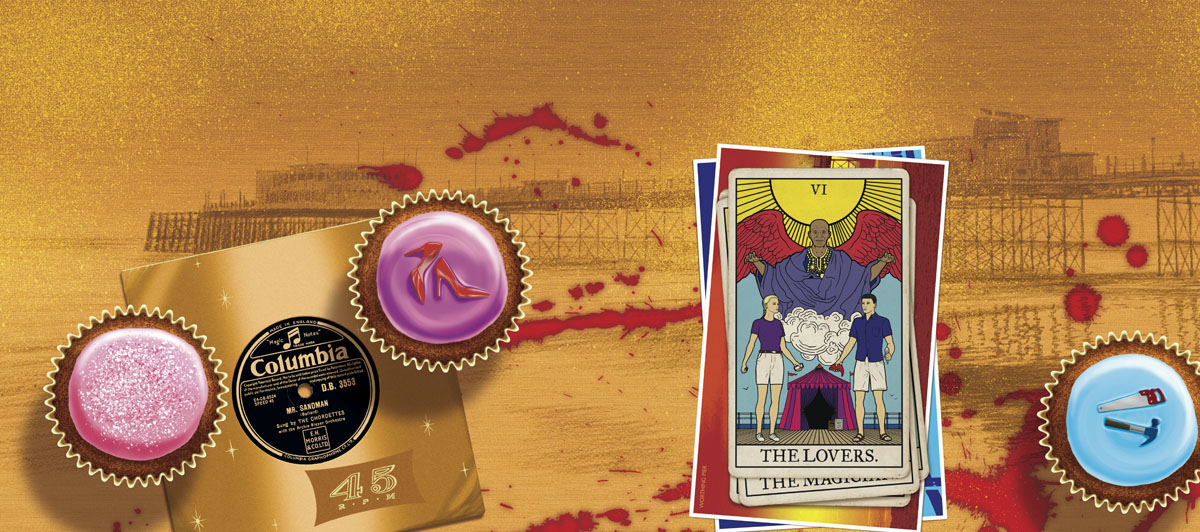
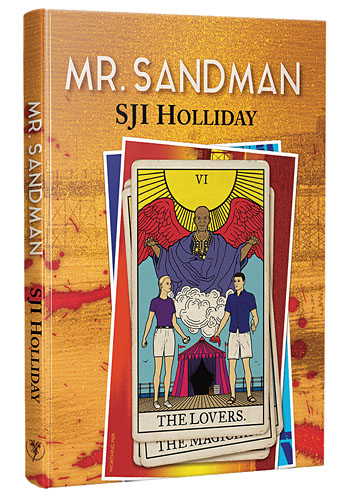
The last cover reveal of the year isn’t my last cover of the year, two more will follow this one but they won’t be made public until next year. As before, I’ve only done the illustration this time, PS Publishing having an in-house designer who does the rest. Mr Sandman by SJI Holliday is another hardback novella, a horror tale with a sense of humour and a Monkey’s Paw-like warning about careless wishes:

Sophie is bored with her perfectly nice but deathly dull boyfriend Matthew. Sensing he’s about to lose her, Matthew takes her on a last-ditch attempt trip to the seaside, hoping to rekindle their dying flames. But things take a dark turn when Sophie visits Mr Sandman, a Haitian priest, who claims that he can change Matthew into the boyfriend that she wants. But does Sophie really know what she wants? Never has the phrase “be careful what you wish for” been more apt. Because Matthew does change…just not in the way that anyone could’ve predicted.

sandman2.jpg

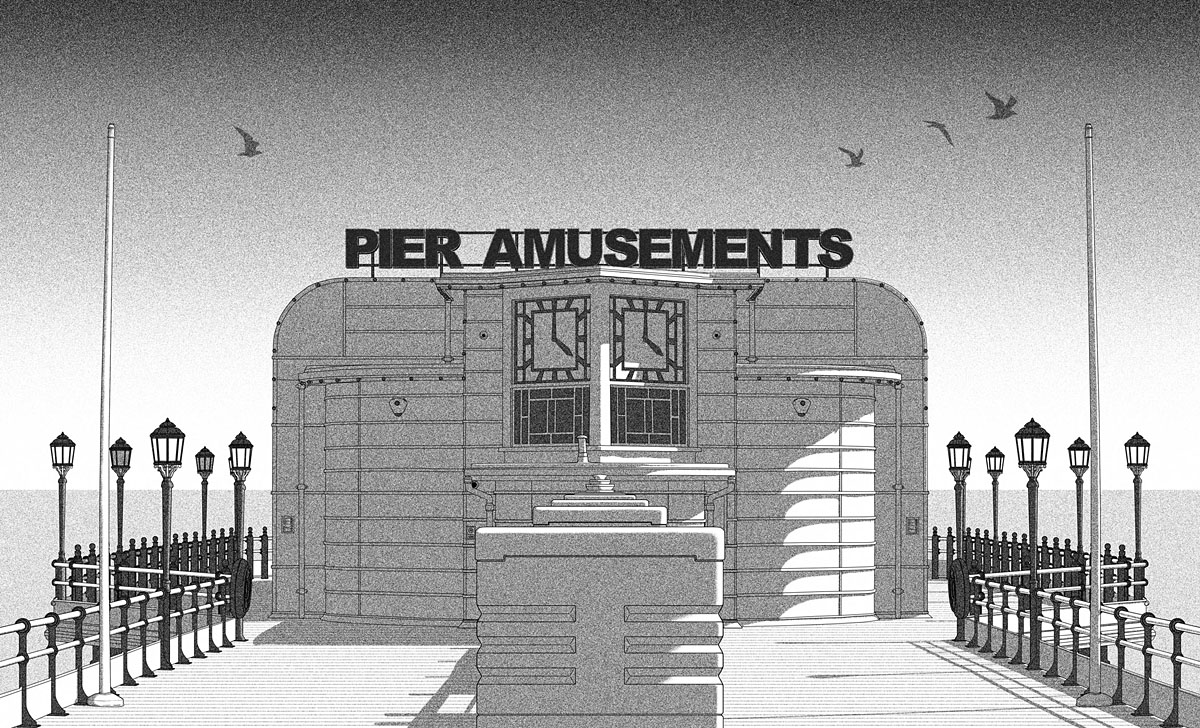
Worthing is a seaside town on the south coast of England that’s generally regarded as a poor relation of nearby Brighton. Despite this status the town does possess an award-winning pier which is the main focus of SJI Holliday’s story, so this seemed an inevitable focus for the cover as well. My idea was for something in the manner of Tom Adams, an artist who specialised in arrangements of carefully-painted objects on vague or sketchy backgrounds, with the backgrounds often depicting the location of the story. Having grown up in another seaside town blessed with three piers I’m well aware that all these structures aren’t the same so the pier details have been properly researched. The Tarot cards are an example of artistic licence, however, since the novella doesn’t mention Tarot divination. But with a narrative that concerns a visit to a fortune-teller’s booth this didn’t seem like too much of a stretch, as well as being a convenient way of depicting the main characters. Pamela Colman Smith’s cards were the model for these; the two main characters look a little stiff but that’s the way the figures are represented on her Lovers card, and the awkwardness of the relationship is a dominant theme. As for the cupcakes, these are all very relevant to the story but you’ll have to read the book to find out why.

sandman3.jpg

Endpaper illustration.

sandman4.jpg

Previously on { feuilleton }
Tom Adams Uncovered
Out of season

Weekend links 549

fuseli.jpg

The Shepherd’s Dream, from Paradise Lost (1793) by Henry Fuseli.

• “16 April. A card from Tom King with news of the tattoo of me that he had put on his arm: ‘The tattoo remains popular, though bizarrely one person thought it was of Henry Kissinger. It also makes for an amusing conversation during intercourse.’ This suggests the intercourse might be less than fervent, my name in itself something of a detumescent.” Alan Bennett‘s diary for the year is always a highlight of December.

• “I know that if I don’t write, say on holiday, I begin to feel unsettled and uneasy, as I gather people do who are not allowed to dream.” The Paris Review removed its paywall on their Art of Fiction interview with JG Ballard.

• “A biologist and composer have turned the aurora borealis into sound to create a magic melding of art and nature.”

If we let it, dreaming gradually erodes wake centrism—that waking consciousness to which Westerners in particular are inordinately attached. You might think of wake centrism as a pre-Copernican-like worldview that presumes waking to be the centre of the universe of consciousness, while relegating sleeping and dreaming to secondary, subservient positions. It is a matrix, a cultural simulation evolved to support adaptation, yet it inadvertently limits our awareness. Wake centrism is a subtle, consensual, sticky and addictive over-reliance on ordinary ways of perceiving that interfere with our direct personal experience of dreaming. To paraphrase the 16th-century British clergyman Robert Bolton, it is not merely an idea the mind possesses, but an idea that possesses the mind. Wake centrism is a flat-world consciousness. It warns us to stay away from the edges, to refrain from dialoguing with dreams and the unconscious.

Rubin Naiman on sleep and dreams

96th of October: an online fiction magazine dedicated to “tales of the extraordinary”.

• “Punk artist Barney Bubbles joins Manet among works given to UK public in 2020.”

• The results of the Nature Photographer of the Year contest for 2020.

• A list with a difference: Twenty Four Psychic Pop Relics by Woebot.

• Merve Emre on how Leonora Carrington feminized Surrealism.

• Mix of the week: XLR8R Podcast 675 by Teebs.

I Had Too Much To Dream (Last Night) (1966) by The Electric Prunes | The Room Of Ancillary Dreams (2000) by Harold Budd | Blue Dream (2001) by Sussan Deyhim & Richard Horowitz