
Life magazine for August 5th, 1909, with an illustration by Coles Phillips.
02009? Read this.
Happy new year!
A journal by artist and designer John Coulthart.

Life magazine for August 5th, 1909, with an illustration by Coles Phillips.
02009? Read this.
Happy new year!
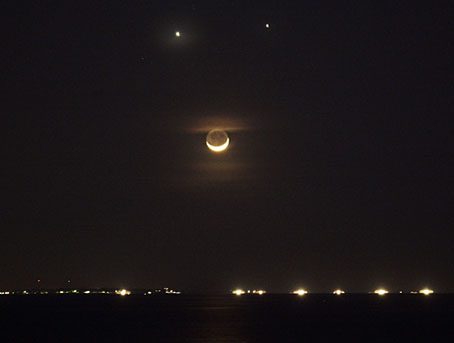
I was going to post something about jazz trumpeter Freddie Hubbard who died this week (yes, another one). But enough people have been doing that elsewhere and I wrote about the album of his that I know best, Sing Me a Song of Songmy, back in April. Better, then, to leave a gloomy year with a smile, even if it’s only a piece of cosmic anthropomorphism. The rare trifecta of Venus, Jupiter, and the moon earlier this month was one of National Geographic’s most viewed space photos of 2008.

The Royal Mail issues this splendid set of stamps next month, celebrating their choice of “the greatest achievements of British design”. The set was designed by HGV with photography by Jason Tozer and regular readers will note two { feuilleton } cult items among the selection, the Penguin book jacket and Harry Beck’s London Underground map.
British Design Classics will be available from January 13th, 2009.
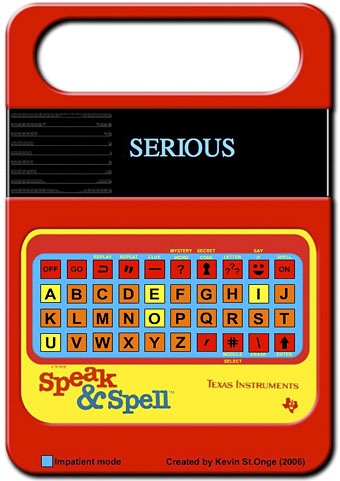
Before speech synthesis became a standard feature of home computing there was this crude device for teaching children spelling, now emulated in Flash by Kevin St. Onge. Anyone who’s heard Kraftwerk’s later music will recognise the tones generated by the top row of buttons which Ralf and Florian used on the track Home Computer for the Computer World album. Speak & Spell voices turned up on many recordings throughout the Eighties and Nineties. Fun as this emulator is I’d much prefer an EMS VCS3 to play with.
Previously on { feuilleton }
• Old music and old technology
• A Clockwork Orange: The Complete Original Score
• Aerodynamik by Kraftwerk
• The genius of Kraftwerk
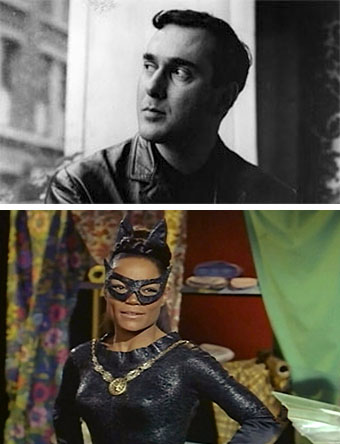
Harold Pinter and Eartha Kitt.
2008: the year that keeps on taking.
The Guardian has a copious collection of Pinter pieces including Michael Billington’s lengthy obituary. Eartha Kitt was just as unique in her own way, prompting Orson Welles in the 1950s to call her “the most exciting woman in the world”. For my sister and I a decade later she was the most exciting Catwoman in the world and that’s how I’ll remember her. But let’s not forget those Cha-Cha Heels…
Eartha’s frivolity might seem to jar beside Pinter’s moral and political seriousness but the World Socialist Web Site managed to link the pair with a priceless headline, Harold Pinter and Eartha Kitt, artists and opponents of imperialist war. Their article tells you a few things about Eartha that many of the obituaries would have ignored. I’m sure Pinter would have been proud to hear of her speaking her mind at the White House. The world is a smaller place when talents and voices like these are gone.