Firebird, a film by Rein Raamat

varvilind1.jpg

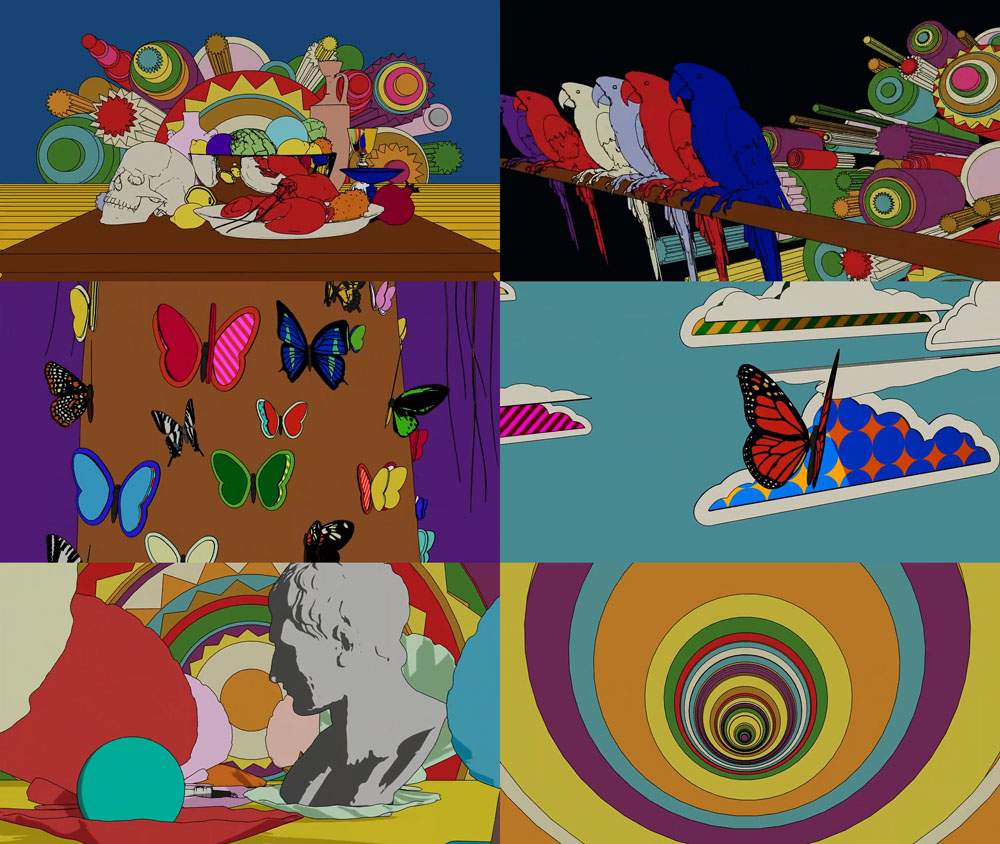
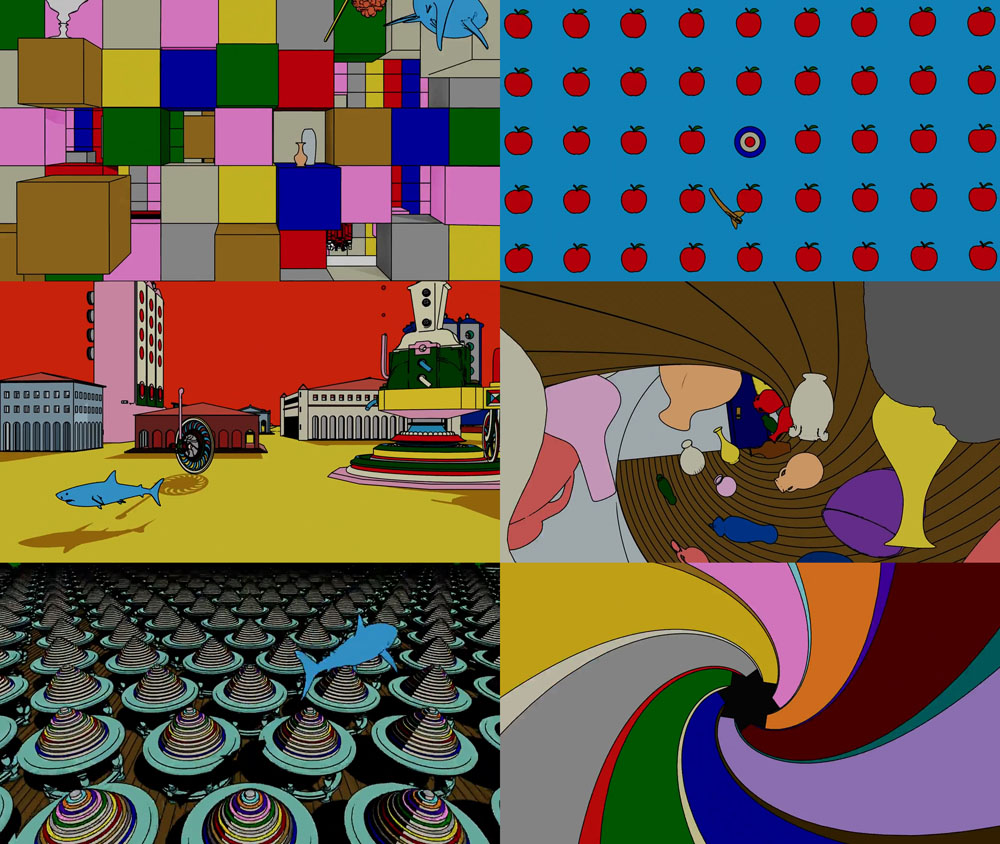
There’s a Firebird of a different kind in this short film by an Estonian animator whose equally short Hell was featured here some time ago. Hell and Firebird are so stylistically opposed they look like the work of two different film-makers, although in the case of Hell this is a result of the film being based on the etchings of an Estonian artist, Eduard Wiiralt,  Firebird (1974) is simpler fare, another example of the cultural fallout from The Beatles’ Yellow Submarine, and a rather late one at that, not only in style but in the progress of its scenario.

varvilind2.jpg

Where The Beatles had Pepperland as a frozen monochrome world which has to be restored to life and colour by the Fab Four, Rein Raamat presents a monochrome city whose listless inhabitants are enlivened by the arrival in the sky of a giant coloured bird. The bird’s changing colours bring further life to the city itself; flowers and fountains burst forth, to the annoyance of a ferocious black cat who evidently preferred the earlier dispensation. As with any symbolic story made in the Soviet bloc, you can’t help but see this as a mirror for life in the world outside the cinema. Watch it here.

Previously on { feuilleton }
The groovy video look
Hell, a film by Rein Raamat
Tadanori Yokoo animations

The groovy video look

strfkr1.jpg

Under Water/In Air.

This recently-released video for Under Water/In Air by Starfucker (or STRFKR, as they often have to style themselves) is an animated production by Edward Carvalho-Monaghan, an artist whose visuals may be seen to similar effect in an earlier animation for Starfucker’s Armatron. Carvalho-Monaghan’s artwork has appeared on a number of the group’s record sleeves, including the latest album, Parallel Realms, which combines a Surrealist dose of the visual style that I refer to as the groovy look with the kind of impossible architecture popularised by MC Escher. Armatron, meanwhile, features more architecture in what may be borrowings from Giorgio de Chirico.

strfkr2.jpg

Armatron.

I lost interest in music videos years ago, I’d much rather listen to the music than have to experience it as a soundtrack to some director’s attempt to illustrate a song with visual novelty. But animated music videos are easier to take, in part because the pairing of animation with music goes back to the earliest days of the medium. The Starfucker videos have had me wondering how much video or animation might suit the “groovy” definition if you went looking for it. And by this I mean following the limits defined by my earlier post which is predominantly concerned with heavy outlines and flat, bold colours rather than quasi-psychedelic effects. I don’t have the time just now to start searching for other examples but The Beatles’ Yellow Submarine is the Ur-text in this department, and the film’s influence may be found in both Carvalho-Monaghan animations.

air.jpg

Sing, Sang, Sung.

One other music video that does come to mind is for Sing, Sang, Sung by Air, directed by Mrzyk & Moriceau. The colour palette is desaturated but the rest of the graphics are definitely in the groovy zone, with the video as a whole coming across like a Surrealist take on those endlessly scrolling, mutating computer games. When the black ball reaches its destination you’re tempted to watch it all again.

(Under Water/In Air tip via Scotto Moore’s This Newsletter Cannot Save You.)

Previously on { feuilleton }
The groovy look
Tadanori Yokoo animations

A Wizard with a Pen

wizard.jpg

The wizard is Mr Alan Moore who celebrated his 70th birthday last month. This piece is my contribution to Alan Moore: Portraits of an Extraordinary Gentleman, a birthday book put together by Smoky Man, curator of the Alan Moore World blog:

This 150-page volume contains short essays, memories and portraits by 50+ contributors including Gary Spencer Millidge (cover), Iain Sinclair (foreword), Peter Hogan (afterword), Paul Gravett, Russell Willis, John Coulthart, Koom Kankesan, Gene Ha, Zander Cannon, Hilary Barta, Jacen Burrows, Eduardo Risso, Hunt Emerson, and more…

100% of the net profits proceed from this book are to be donated to the NGO Doctors Without Borders. (more)

The book is a print-on-demand production via Amazon so anyone interested in a copy should click the above link which will direct you to a regional outlet. I’d have preferred the printing to have avoided Bezos’s feudal empire but the decision wasn’t mine to make.

As for the artwork, after spending the past couple of years looking for examples of the style I refer to as “the groovy look” I’d been itching to do something similar myself. Alan happens to enjoy this look as well—see all those Promethea covers, especially the one for issue 16 which nodded to Peter Max. Alan also likes the Beatles’ psychedelic years so my portrait is a riff on the Yellow Submarine art style: small head, big feet, and the same Kabel typeface they used for the film titles. The garment pattern is the Art Nouveau wallpaper design by André Morisset that I resurrected last year, and which I’ve been using in another project that’s yet to see the light of day. More about that later.

Previously on { feuilleton }
32 Short Lucubrations Concerning Alan Moore
Voice of the Fire by Alan Moore
The Blake Video
The Cardinal and the Corpse
Mapping the Boroughs
Art is magic. Magic is art.
Alan Moore: Storyteller
Alan Moore: Tisser l’invisible
Dodgem Logic #4

Return to Pepperland

ys1.jpg

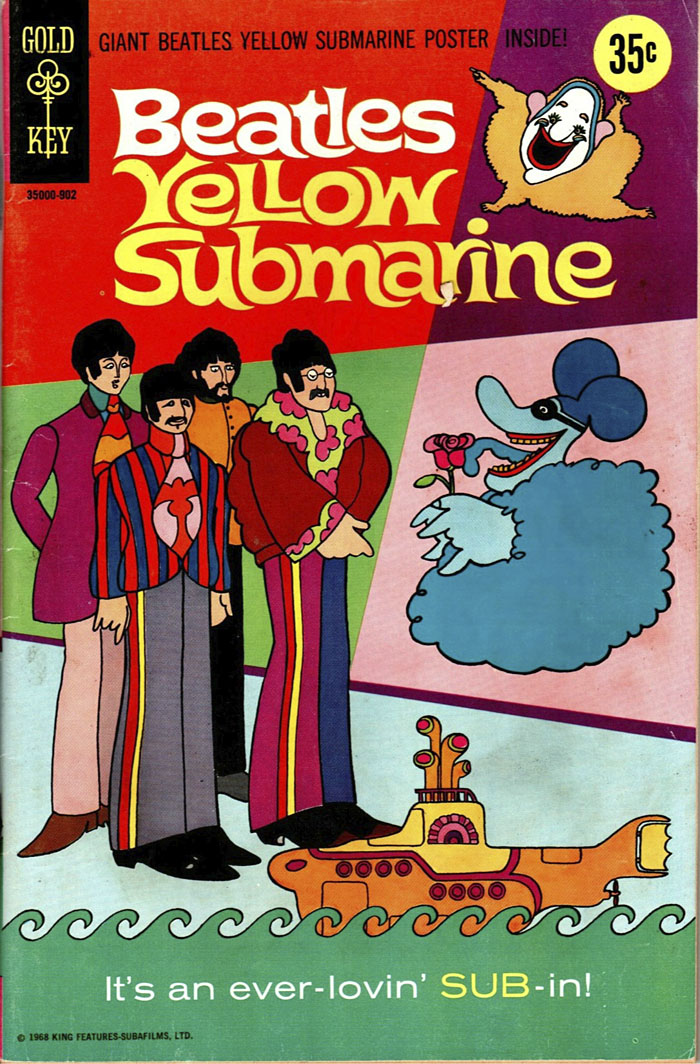
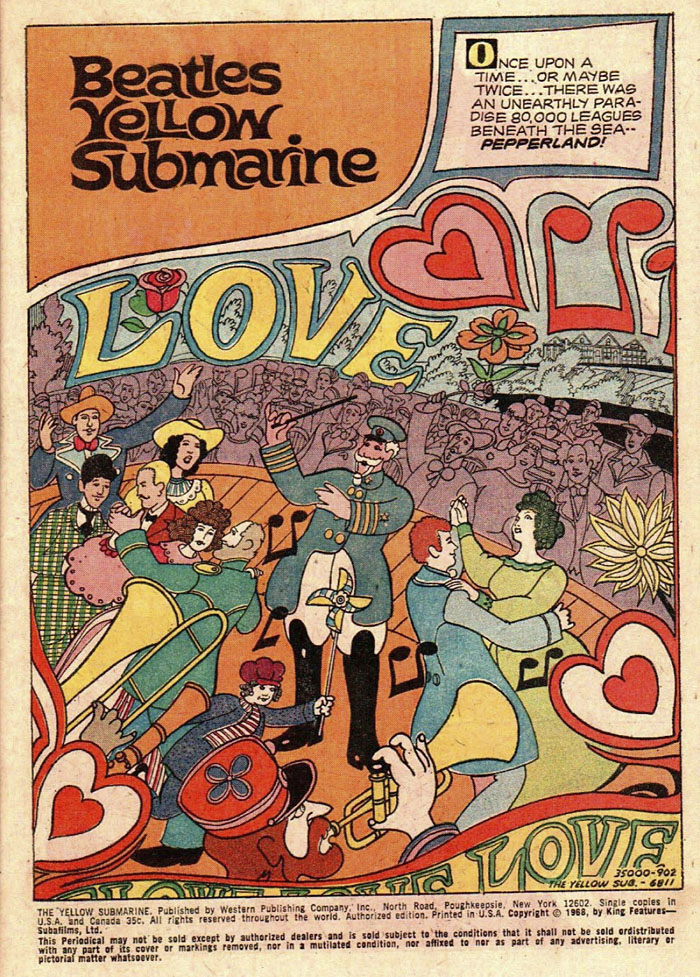
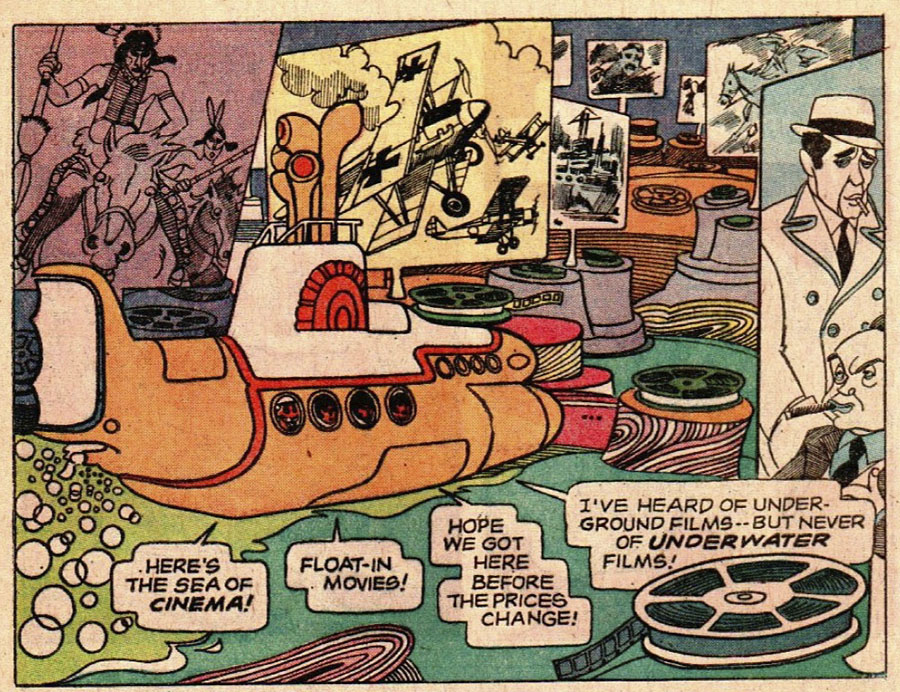
Another candidate for the small list of comics drawn in the groovy style (or a diluted version of the same), the first comic-book adaptation of Yellow Submarine was a single 64-page issue published by Gold Key in February 1969. Low-quality copies have been circulating for years on fan sites but there’s now a copy available here with the pages scanned at a higher resolution. Whatever the quality, the cheap paper doesn’t help the artwork, but for a cash-in this isn’t a bad adaptation. The background details don’t always keep up with Heinz Edelmann’s invention but artist José Delbo maintains the character style of the animation throughout, while the script by Paul S. Newman pads out the missing song sequences with additional japes and bad puns. I’ve seen claims that the story is based on an early draft of the film script but can’t say whether this is true or not. There are a few notable deviations from the film, however, such as additional seas—The Sea of Consumer Products, The Sea of Cinema—and an extra character, Rita the Meter Maid, who looks nothing like a British traffic warden of the 1960s.

ys3.jpg

The last time I mentioned this comic I also referred to a more recent adaptation by Bill Morrison which had been commissioned, partly drawn then inexplicably cancelled. Morrison’s pages were superior to the Gold Key adaptation in their design and their fidelity to the animation style of the film so it’s good to see that the various licence-holders have allowed him to complete his work. The book was published by Titan for Yellow Submarine‘s 50th anniversary in 2018.

ys3.jpg

Previously on { feuilleton }
The groovy look
The South Bank Show: The Making of Sgt Pepper
The Sea of Monsters
Tomorrow Never Knows
Yellow Submarine comic books
A splendid time is guaranteed for all
Heinz Edelmann
Please Mr. Postman
All you need is…

The art of John Alcorn, 1935–1992

alcorn16.jpg

Ad art for Seventeen magazine, August 1970.

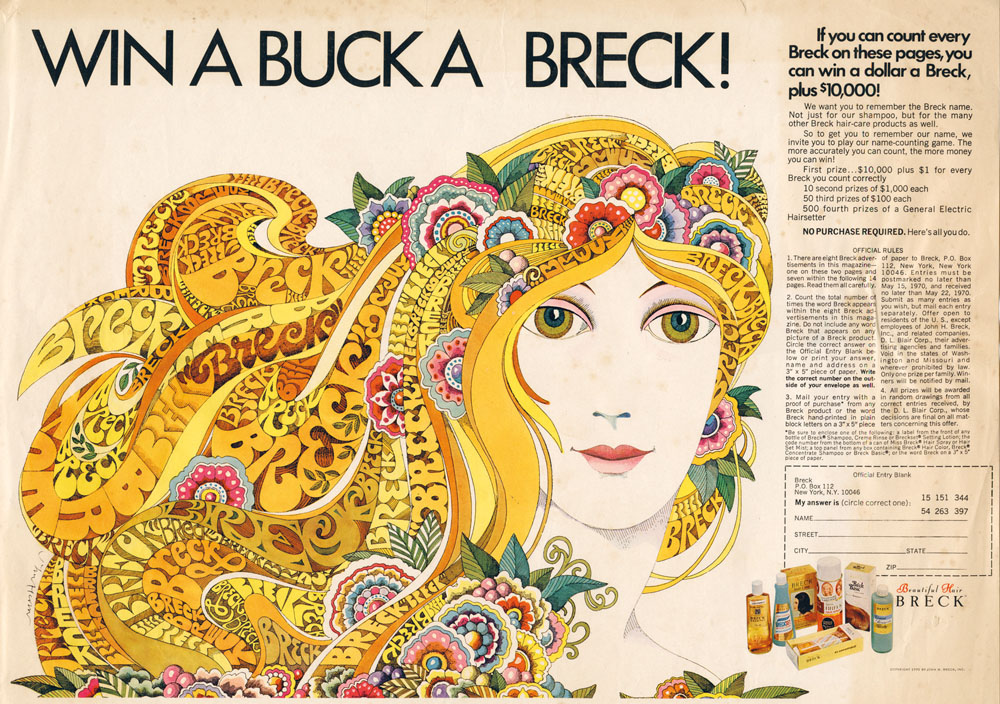
Another member of the Groovy Set, John Alcorn was a very prolific illustrator and designer whose career included a period at Milton Glaser and Seymour Chwast’s Push Pin Studios. Alcorn’s art predates the groovy look, and also extends beyond it, but since I have a taste for this quasi-psychedelic style all the examples here are from the late 1960s/early 1970s. An overview of Alcorn’s career may be found in John Alcorn: Evolution by Design, a book edited by Stephen Alcorn and Marta Sironi which was featured at 50 Watts. And since I keep referring back to it, I’ve added some updates to the original groovy post.

alcorn12.jpg

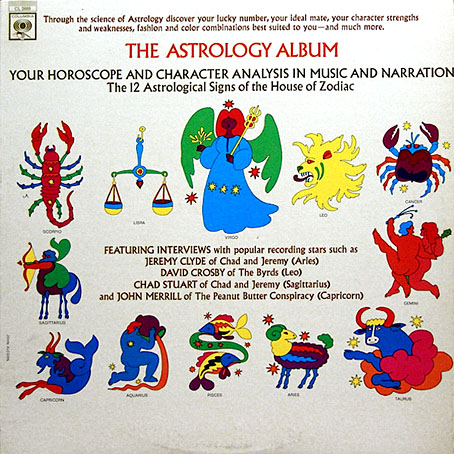
The Astrology Album, 1967.

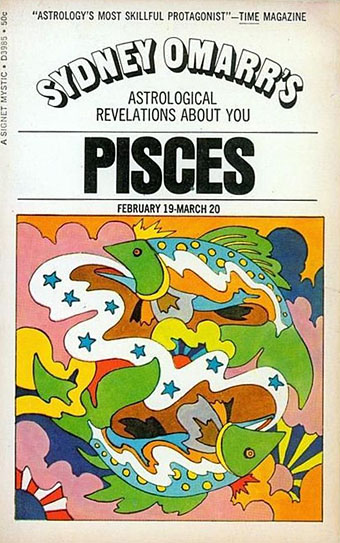
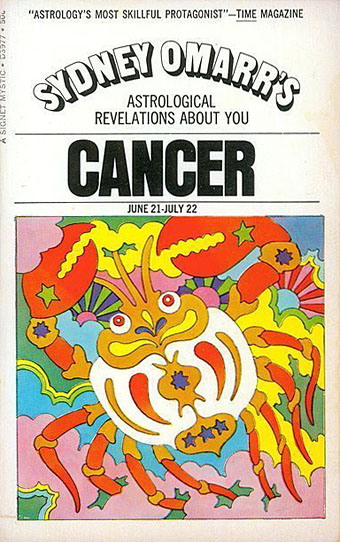
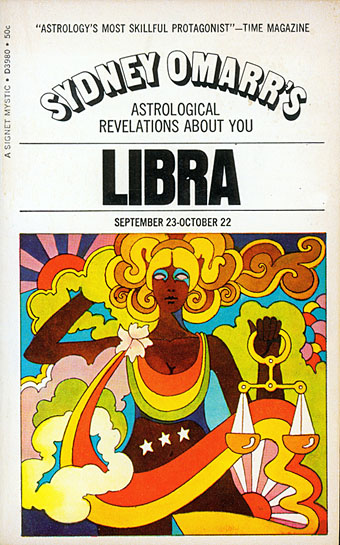
From an astrological album to astrological covers for Sydney Omarr’s books, 12 of which were published by Signet in 1969.

alcorn04.jpg

alcorn05.jpg

alcorn06.jpg

Continue reading “The art of John Alcorn, 1935–1992”