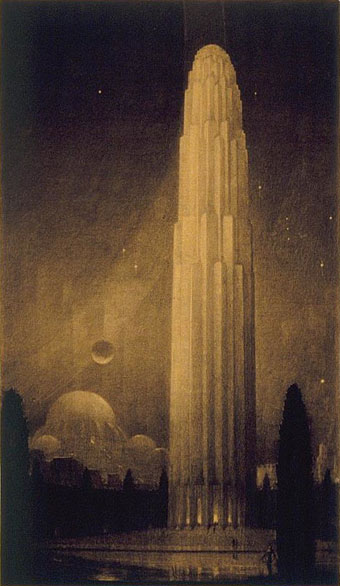
Philosophy from The Metropolis of Tomorrow (1929).
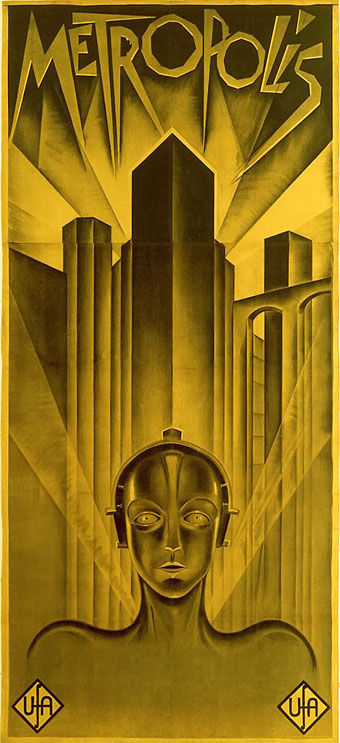
I’ve procrastinated for an entire year over the idea of writing something about Hugh Ferriss and now this marvellous Flickr set has forced my hand. Ferriss (1889–1962) was a highly-regarded architectural renderer in the Twenties and Thirties, chiefly employed creating large drawings to show the clients of architects how their buildings would look when completed. But he was also an architectural theorist and his 1929 book, The Metropolis of Tomorrow, which lays out his ideas for cities of the future, was a major influence on the work I produced for the Lord Horror comics during the 1990s. Ferriss’s book appeared two years after Fritz Lang’s Metropolis but bears little resemblance to Lang’s simplistic tale, despite superficial similarities. Rather than a science fiction warning, The Metropolis of Tomorrow was a serious proposal for the creation of Art Deco-styled megacities.
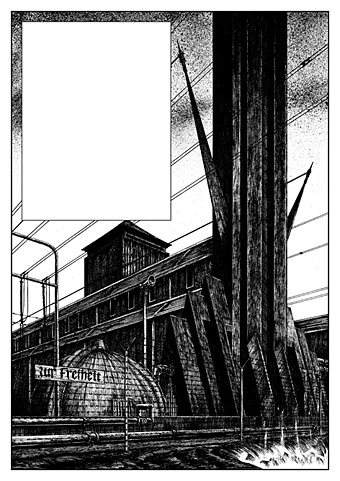
Lord Horror: Hard Core Horror #5 (1990).
Continue reading “Hugh Ferriss and The Metropolis of Tomorrow”
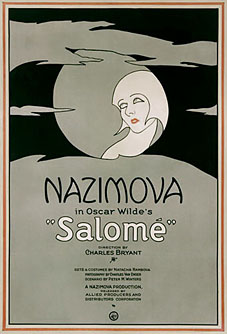 We tend to think of cinema as a modern medium, quintessentially 20th century, but the modern medium was born in the 19th century, and the heyday of the Silent Age (the 1920s) was closer to the Decadence of the fin de siècle (mid-1880s to the late-1890s) than we are now to the 1970s. This is one reason why so much silent cinema seems infected with a Decadent or Symbolist spirit: that period wasn’t so remote and many of its more notorious products cast a long shadow. Even an early science fiction film like Fritz Lang’s Metropolis has scenes redolent of late Victorian fever dreams: the vision of Moloch, Maria’s parable of the tower of Babel, the coming to life of statues of the Seven Deadly Sins, and—most notably—the vision of the Evil Maria as the Whore of Babylon. Woman as vamp or