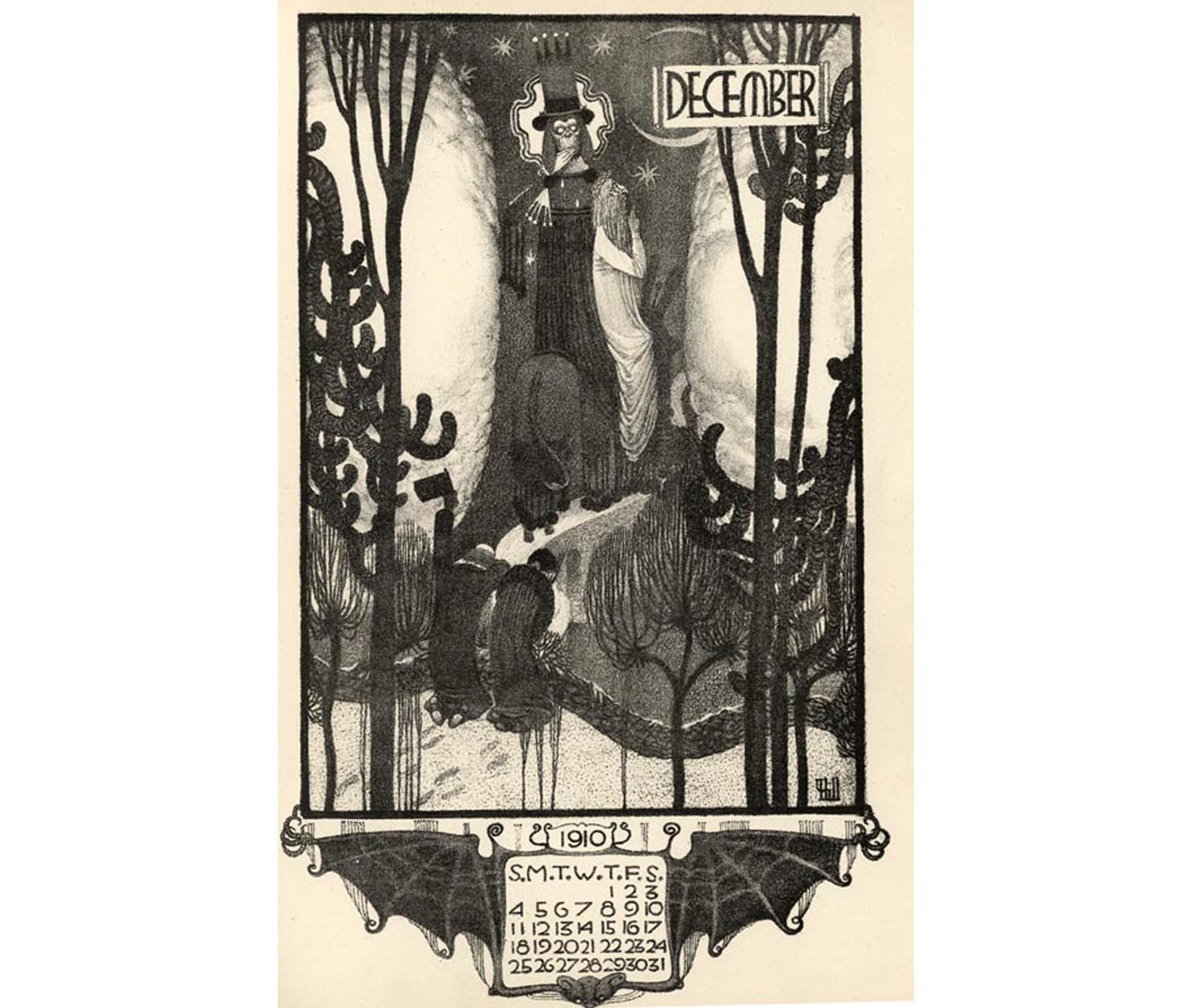
December and Vernon Hill

hill1.jpg

Who was Vernon Hill? A good question since he’s another of those illustrators about whom detailed information is in short supply. He was born in Halifax, England, which makes him a Yorkshireman, and this page gives his birth date as 1887. A biographical note here states that:

Hill was primarily a wood-carver, most of whose illustrative work was done in the years 1910–12. His major achievements here were his designs for Ballads Weird and Wonderful and The New Inferno, both of which were collections of verse, the literary form most suitable for symbolic illustration. An important influence on him was Blake; it is seen in his often symmetrical compositions, the differences of scale of his figures, and their physique (which also show Hill’s feeling for sculpture).

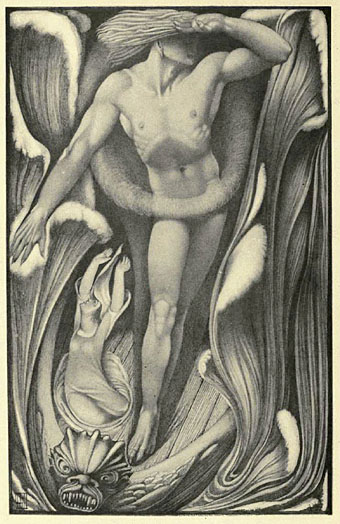
Hill’s curious depiction of the year’s end comes from a set of equally curious lithograph illustrations for John Lane, The Arcadian Calendar (1910), produced in a style which resembles a hybrid of Sidney Sime and other post-Beardsley artists. This seems to have been atypical, unfortunately, subsequent book work shows more fully his Blake influence. The Demon Lover is one of the better illustrations from Ballads Weird and Wonderful (1912) which can be downloaded at the Internet Archive.
hill2.jpg

The Demon Lover.

Elsewhere on { feuilleton }
The illustrators archive

Previously on { feuilleton }
Sidney Sime and Lord Dunsany
Harry Clarke’s The Year’s at the Spring
November

mist1.jpg

No sun–no moon!
No morn–no noon!
No dawn–no dusk–no proper time of day–
No sky–no earthly view–
No distance looking blue–
No road–no street–no “t’other side this way”–
No end to any Row–
No indications where the Crescents go–
No top to any steeple–
No recognitions of familiar people–
No courtesies for showing ’em–
No knowing ’em!
No travelling at all–no locomotion–
No inkling of the way–no notion–
“No go” by land or ocean–
No mail–no post–
No news from any foreign coast–
No Park, no Ring, no afternoon gentility–
No company–no nobility–
No warmth, no cheerfulness, no healthful ease,
No comfortable feel in any member–
No shade, no shine, no butterflies, no bees,
No fruits, no flowers, no leaves, no birds–
November!

mist2.jpg

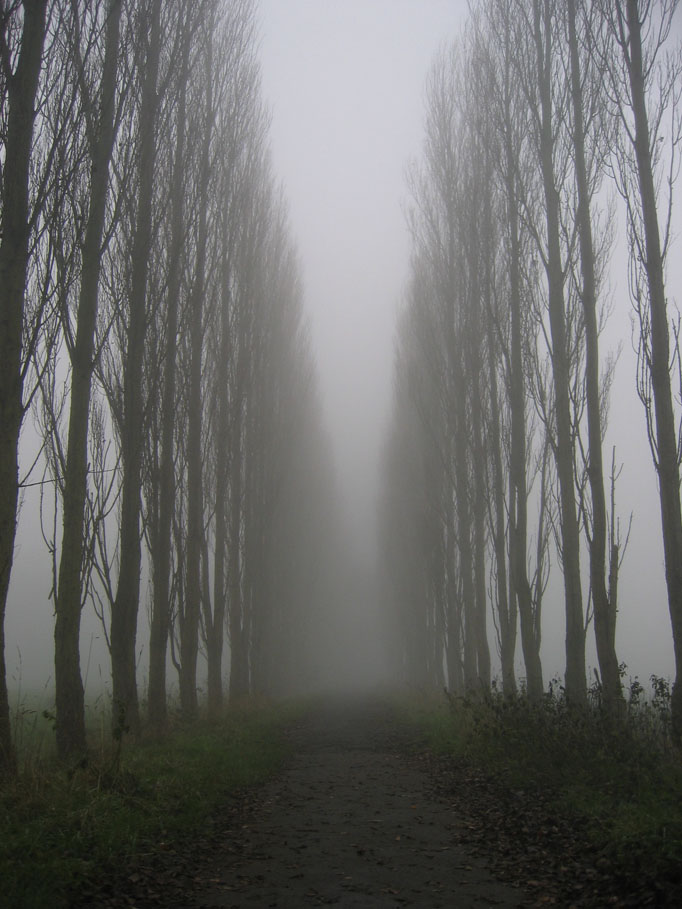
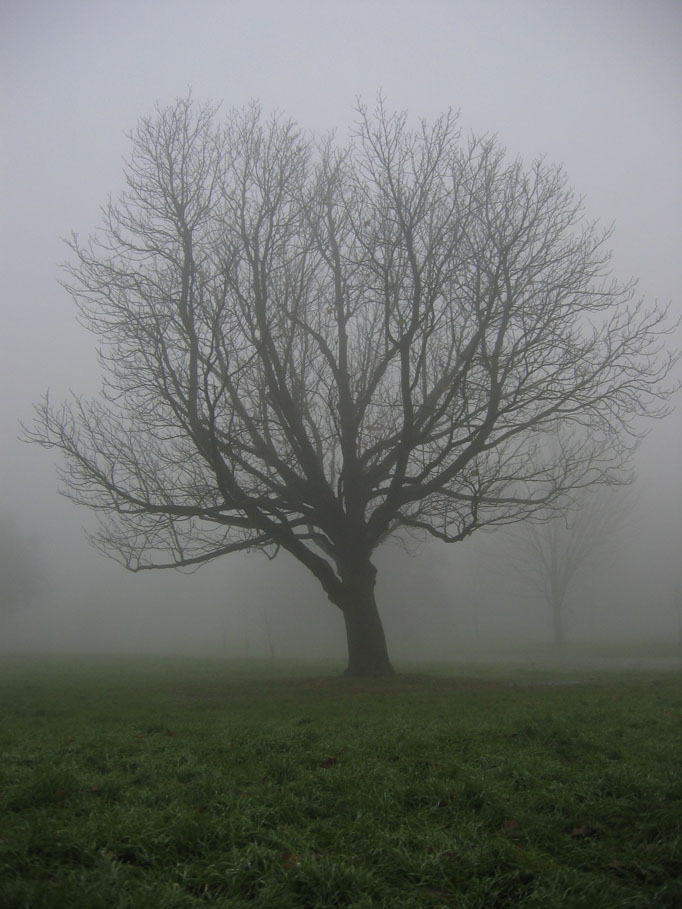
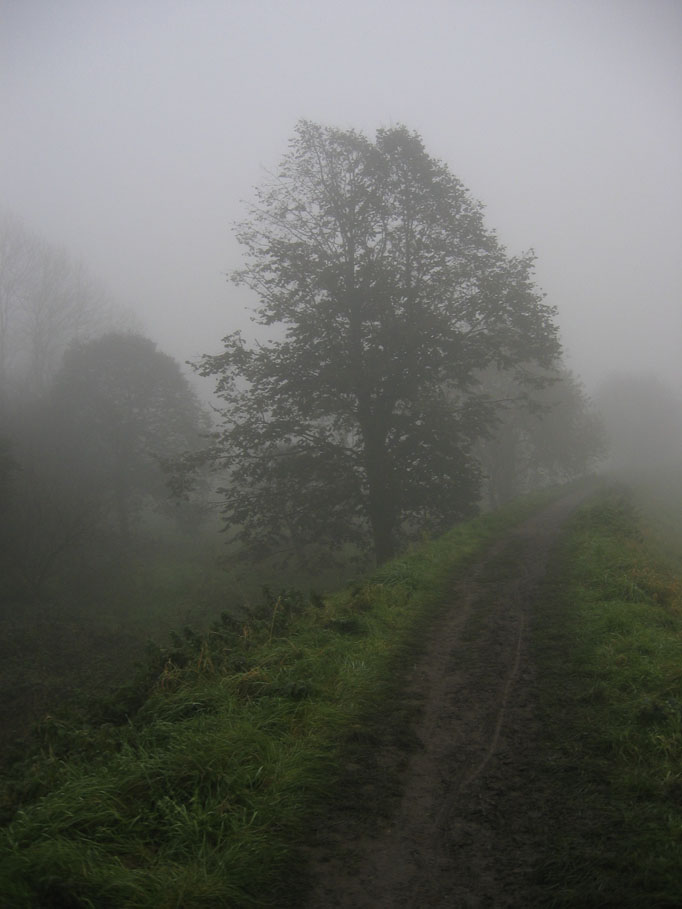
That poem by Thomas Hood (1799–1845) pins down some of the reasons why I’m usually glad to see the back of this month. The weather this weekend has been the kind of cold and mist for which the word “dreary” might have been specially created. A thin smear of mist, quite unworthy of photographic effort. Three years ago, another November afternoon spent walking along the South Manchester stretch of the River Mersey yielded these fog-drenched views.

mist3.jpg

Cocteau’s sword

cocteau1.jpg

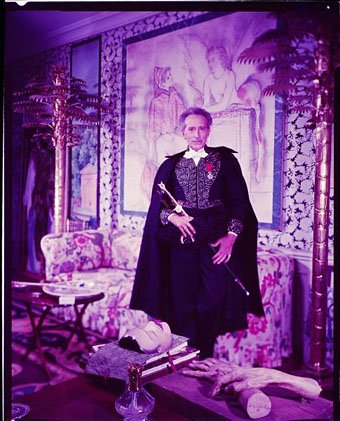
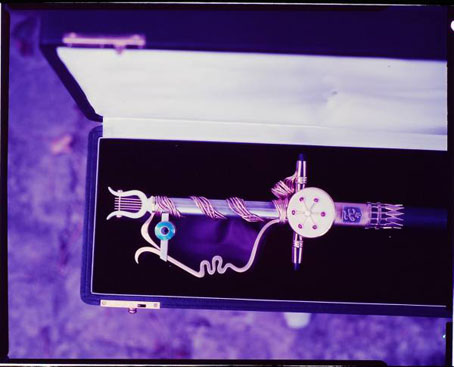
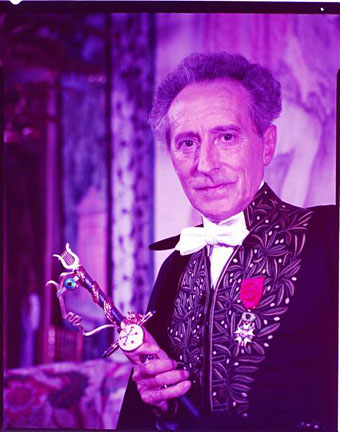
Jean Cocteau looking nothing less than fabulous in what I guess is 1955 since the writer is sporting his Académie française medal, an award bestowed upon him that year. The ceremonial sword is his own design, needless to say, and the curiously-tinted photographs are by Frank Scherschel for LIFE. The colours and lavish decor—those metallic palm trees—aren’t so far removed from the photographs of James Bidgood although the milieu certainly is. I doubt Cocteau would mind who the photographer was if Bidgood’s favourite model, Bobby Kendall, was in the picture with him.

cocteau2.jpg

cocteau3.jpg

Elsewhere on { feuilleton }
The men with swords archive

Previously on { feuilleton }
Cristalophonics: searching for the Cocteau sound
Cocteau at the Louvre des Antiquaires
James Bidgood
La Villa Santo Sospir by Jean Cocteau