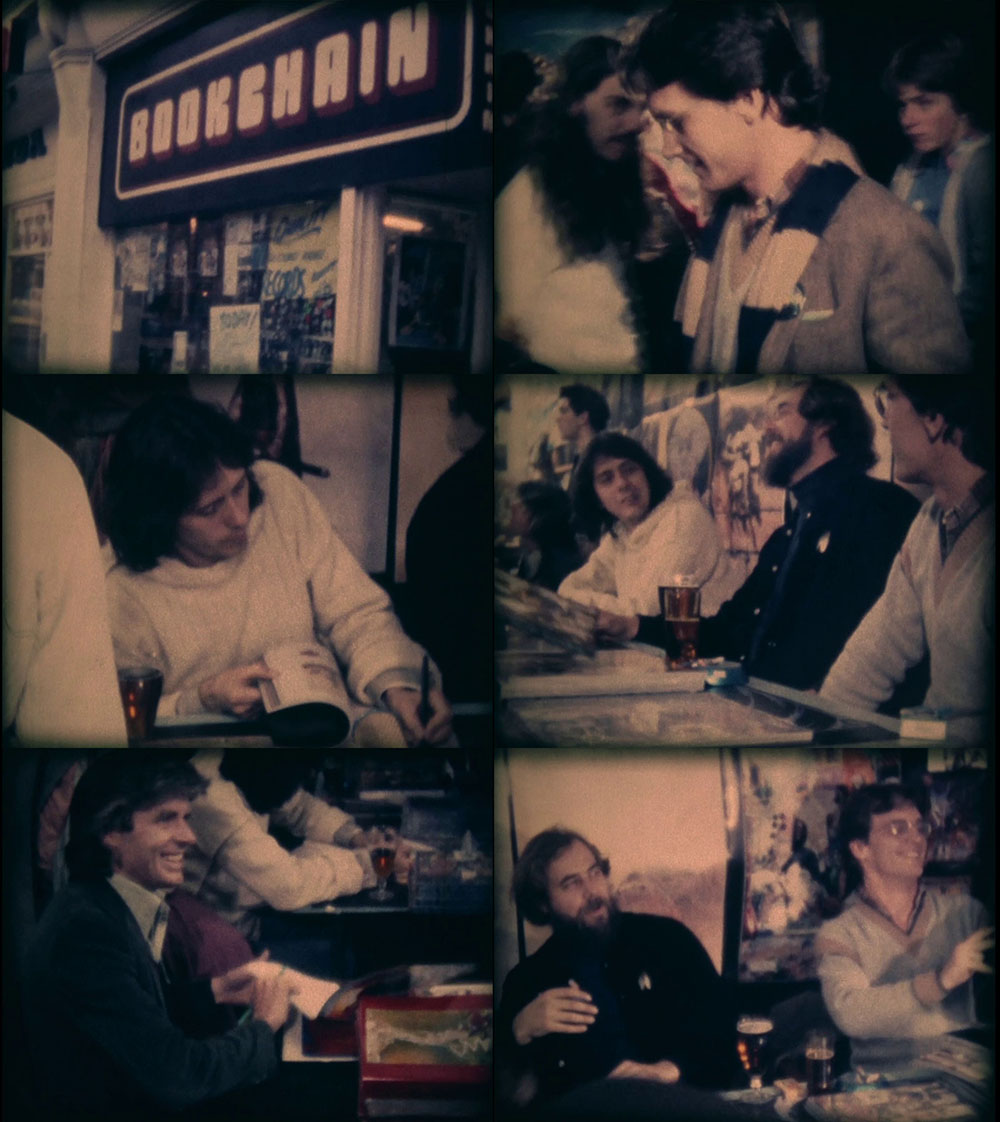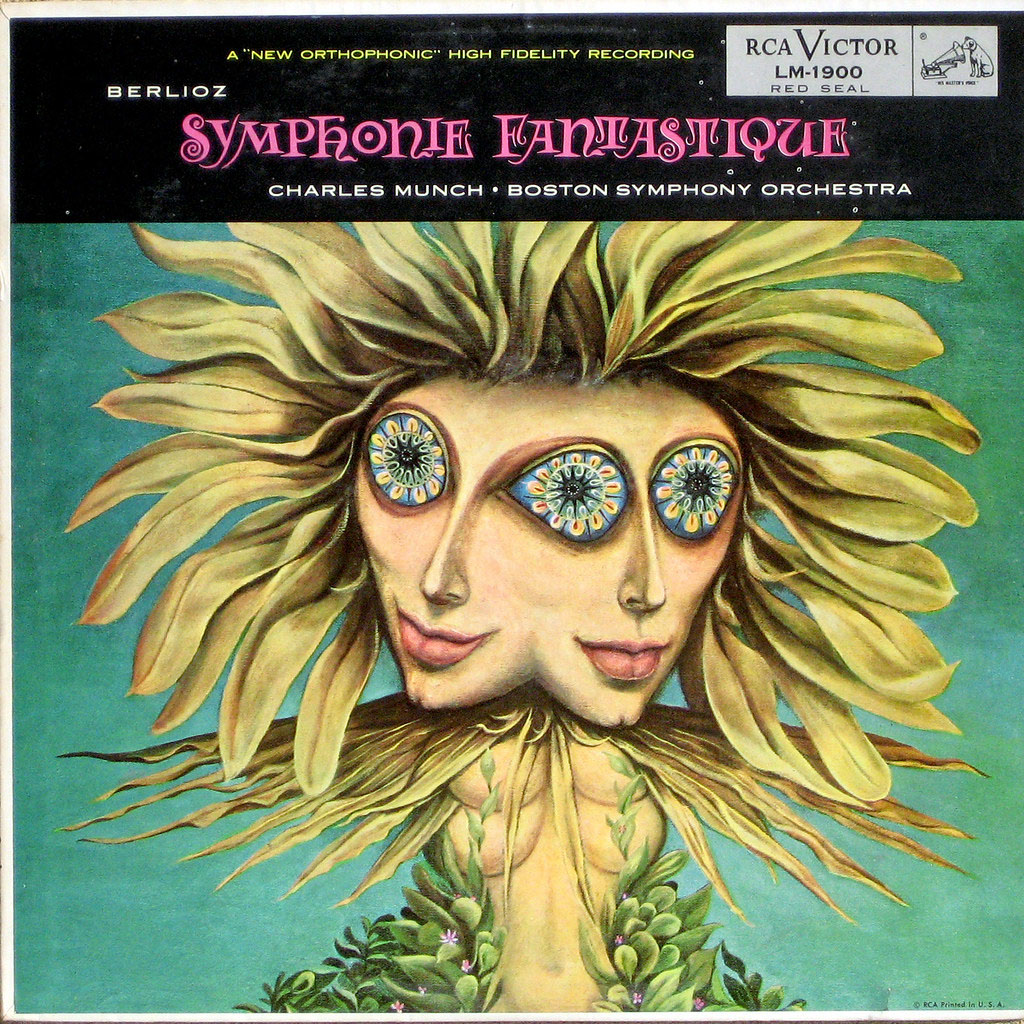
1955. Cover art by Jane Sinnickson Flora.
The programme for the symphony (1845 version) by Hector Berlioz:
Part One: Daydreams, Passions
The author imagines that a young musician, afflicted by the sickness of spirit which a famous writer has called the vagueness of passions (le vague des passions), sees for the first time a woman who unites all the charms of the ideal person his imagination was dreaming of, and falls desperately in love with her. By a strange anomaly, the beloved image never presents itself to the artist’s mind without being associated with a musical idea, in which he recognises a certain quality of passion, but endowed with the nobility and shyness which he credits to the object of his love.This melodic image and its model keep haunting him ceaselessly like a double idée fixe. This explains the constant recurrence in all the movements of the symphony of the melody which launches the first allegro. The transitions from this state of dreamy melancholy, interrupted by occasional upsurges of aimless joy, to delirious passion, with its outbursts of fury and jealousy, its returns of tenderness, its tears, its religious consolations—all this forms the subject of the first movement.
Part Two: A Ball
The artist finds himself in the most diverse situations in life, in the tumult of a festive party, in the peaceful contemplation of the beautiful sights of nature, yet everywhere, whether in town or in the countryside, the beloved image keeps haunting him and throws his spirit into confusion.Part Three: Scene in the Countryside
One evening in the countryside he hears two shepherds in the distance dialoguing with their “ranz des vaches” this pastoral duet, the setting, the gentle rustling of the trees in the wind, some causes for hope that he has recently conceived, all conspire to restore to his heart an unaccustomed feeling of calm and to give to his thoughts a happier colouring. He broods on his loneliness, and hopes that soon he will no longer be on his own… But what if she betrayed him!… This mingled hope and fear, these ideas of happiness, disturbed by dark premonitions, form the subject of the adagio. At the end one of the shepherds resumes his “ranz des vaches” the other one no longer answers. Distant sound of thunder… solitude… silence…Part Four: March to the Scaffold
Convinced that his love is spurned, the artist poisons himself with opium. The dose of narcotic, while too weak to cause his death, plunges him into a heavy sleep accompanied by the strangest of visions. He dreams that he has killed his beloved, that he is condemned, led to the scaffold and is witnessing his own execution. The procession advances to the sound of a march that is sometimes sombre and wild, and sometimes brilliant and solemn, in which a dull sound of heavy footsteps follows without transition the loudest outbursts. At the end of the march, the first four bars of the idée fixe reappear like a final thought of love interrupted by the fatal blow.Part Five: Dream of a Witches’ Sabbath
He sees himself at a witches’ sabbath, in the midst of a hideous gathering of shades, sorcerers and monsters of every kind who have come together for his funeral. Strange sounds, groans, outbursts of laughter; distant shouts which seem to be answered by more shouts. The beloved melody appears once more, but has now lost its noble and shy character; it is now no more than a vulgar dance tune, trivial and grotesque: it is she who is coming to the sabbath… Roar of delight at her arrival… She joins the diabolical orgy… The funeral knell tolls, burlesque parody of the Dies irae, the dance of the witches. The dance of the witches combined with the Dies irae.

1958. Cover art by Richard M. Powers.
The programme for the symphony (1855 version) by Hector Berlioz:
A young musician of morbid sensitivity and ardent imagination poisons himself with opium in a moment of despair caused by frustrated love. The dose of narcotic, while too weak to cause his death, plunges him into a heavy sleep accompanied by the strangest of visions, in which his experiences, feelings and memories are translated in his feverish brain into musical thoughts and images. His beloved becomes for him a melody and like an idée fixe which he meets and hears everywhere.
Part One: Daydreams, Passions
He remembers first the uneasiness of spirit, the indefinable passion, the melancholy, the aimless joys he felt even before seeing his beloved; then the explosive love she suddenly inspired in him, his delirious anguish, his fits of jealous fury, his returns of tenderness, his religious consolations.Part Two: A Ball
He meets again his beloved in a ball during a glittering fête.Part Three: Scene in the Countryside
One summer evening in the countryside he hears two shepherds dialoguing with their “ranz des vaches” this pastoral duet, the setting, the gentle rustling of the trees in the light wind, some causes for hope that he has recently conceived, all conspire to restore to his heart an unaccustomed feeling of calm and to give to his thoughts a happier colouring; but she reappears, he feels a pang of anguish, and painful thoughts disturb him: what if she betrayed him… One of the shepherds resumes his simple melody, the other one no longer answers. The sun sets… distant sound of thunder… solitude… silence…Part Four: March to the Scaffold
He dreams that he has killed his beloved, that he is condemned to death and led to execution. The procession advances to the sound of a march that is sometimes sombre and wild, and sometimes brilliant and solemn, in which a dull sound of heavy footsteps follows without transition the loudest outbursts. At the end, the idée fixe reappears for a moment like a final thought of love interrupted by the fatal blow.Part Five: Dream of a Witches’ Sabbath
He sees himself at a witches’ sabbath, in the midst of a hideous gathering of shades, sorcerers and monsters of every kind who have come together for his funeral. Strange sounds, groans, outbursts of laughter; distant shouts which seem to be answered by more shouts. The beloved melody appears once more, but has now lost its noble and shy character; it is now no more than a vulgar dance-tune, trivial and grotesque: it is she who is coming to the sabbath… Roars of delight at her arrival… She joins the diabolical orgy… The funeral knell tolls, burlesque parody of the Dies Irae. The dance of the witches. The dance of the witches combined with the Dies Irae.
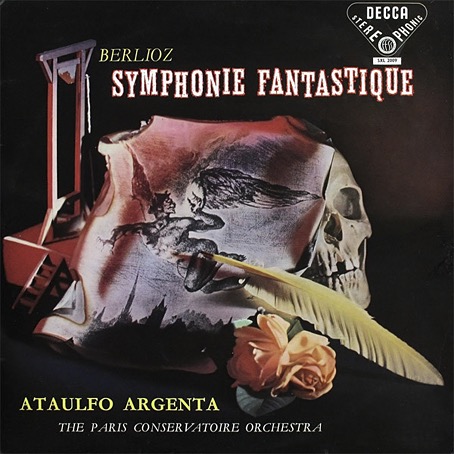
1958. No cover artist credited.
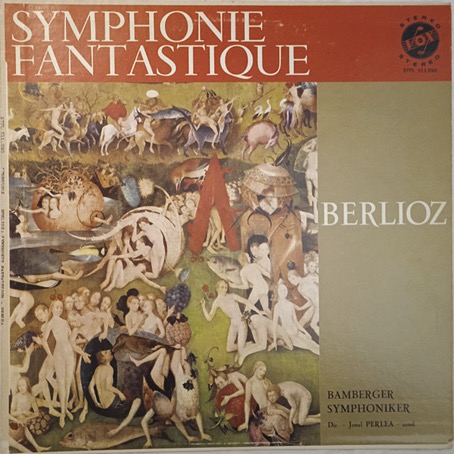
1959. Cover art by Hieronymus Bosch.
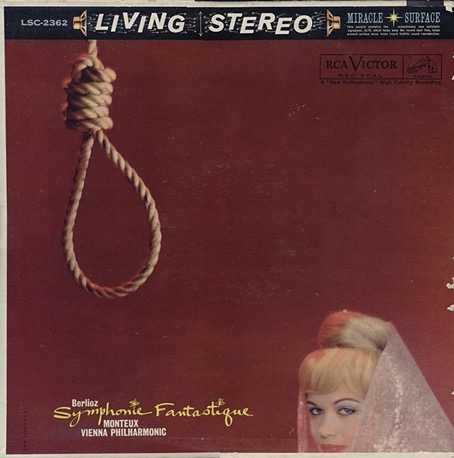
1960. No cover designer credited.
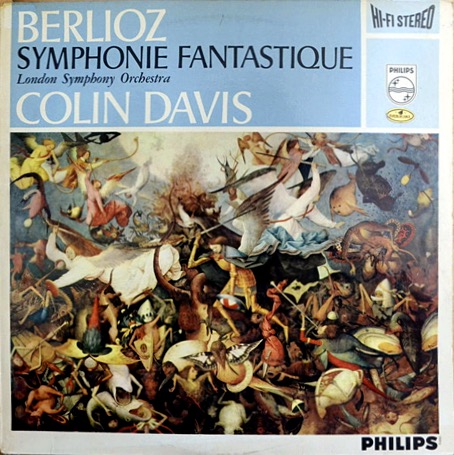
1964. Cover art by Pieter Bruegel the Elder.