John Austen’s Tales of Passed Times

austen01.jpg

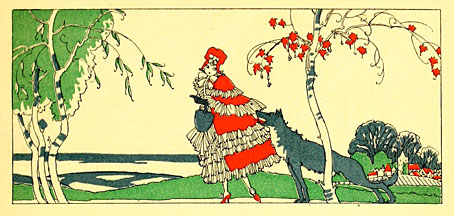
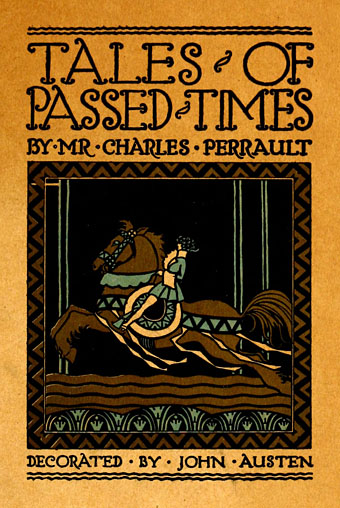
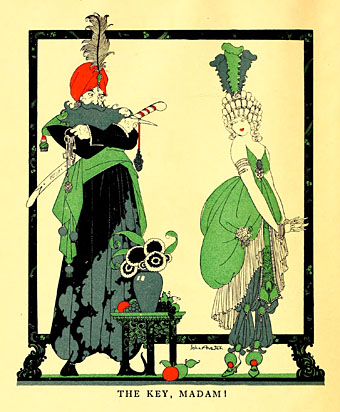
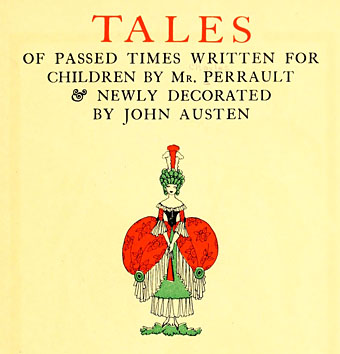
The retellings of old folk tales by Charles Perrault (1628–1703) became the earliest examples of what we now call fairy tales, but Perrault’s versions of Little Red Riding Hood, Puss in Boots, Sleeping Beauty, Cinderella et al have tended to be overshadowed by the more copious works of the Brothers Grimm and their followers. Perrault has attracted illustrators, however, including major figures such as Gustave Doré and Harry Clarke. This edition by John Austen is one of the artist’s earliest books dating from 1922. Perrault collections are often short; this one is only 74 pages but Austen fills the book with many small illustrations and vignettes. It’s a surprise seeing his work in colour when the more familiar drawings are all striking black-and-white. Spot colours help highlight Little Red Riding Hood’s outfit and Bluebeard’s beard. See the rest of the book here or download it here. (Thanks again to Nick for the tip!)
austen02.jpg

austen03.jpg

austen04.jpg

Continue reading “John Austen’s Tales of Passed Times”

Kay Nielsen’s Grimm Fairy Tales

nielsen02.jpg

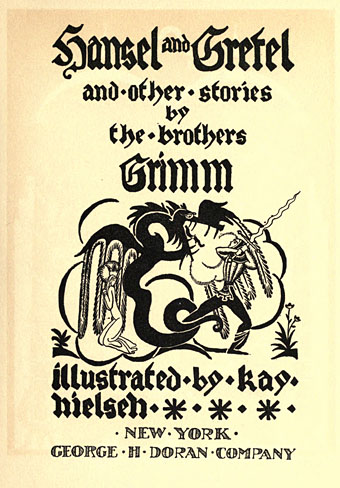
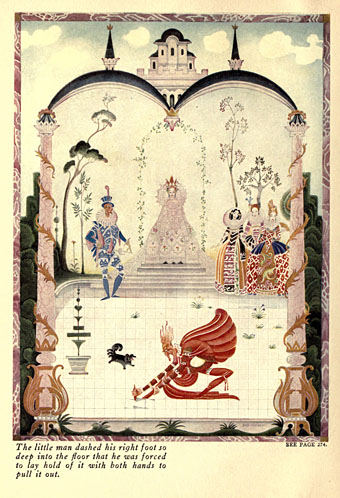
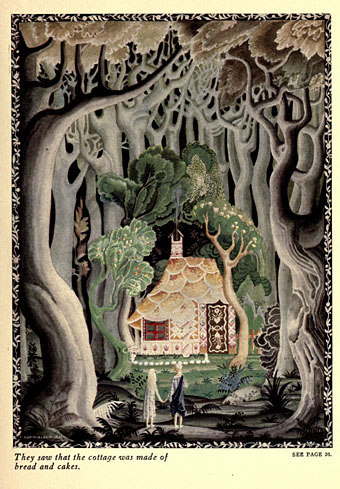
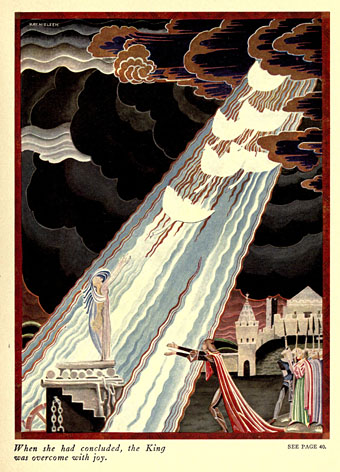
Illustrated editions of the Grimm Brothers’ fairy tales are so numerous it’s easy to overlook the better examples. Kay Nielsen’s edition isn’t only better than most, it’s an outstanding example of his meticulous approach to story illustration. Hansel and Gretel and Other Stories was published in 1925, and the beautiful colour plates really need to be seen at a larger size. You can view the rest of the book here or download it here.

nielsen01.jpg

nielsen03.jpg

nielsen04.jpg

Continue reading “Kay Nielsen’s Grimm Fairy Tales”

The art of Theodor Kittelsen, 1857–1914

kittelsen1.jpg

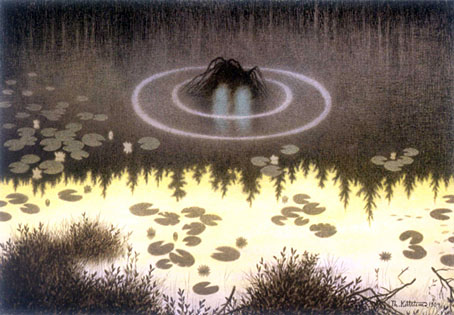
The Water Spirit (1904).

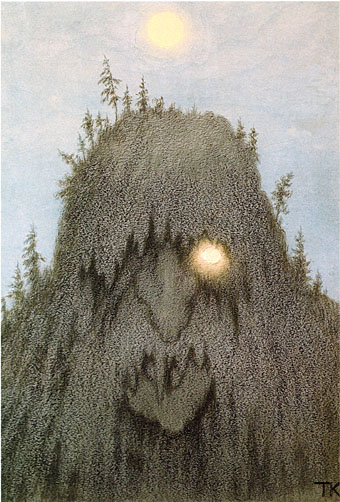
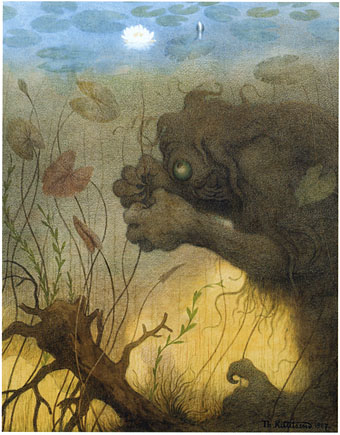
Theodor Kittelsen is, we’re told, one of Norway’s most popular artists and illustrators. This would explain why so much of his work has appeared on the covers of albums by Norwegian metal bands although it also helps that one of the books he illustrated is entitled Svartedauen (The Black Death). The picture below, one of several portraits of trolls and mythological creatures, appeared on the sleeve of Long Island, the most recent album by US band Endless Boogie. Discogs has a list of Kittelsen’s other album cover appearances which also include classical releases. This site has more of the artist’s paintings and illustrations. (Via Wood s Lot).

kittelsen2.jpg

Forest Troll (1906).

kittelsen3.jpg

Fishing Water Spirit (1912).

Continue reading “The art of Theodor Kittelsen, 1857–1914”

Weekend links 240

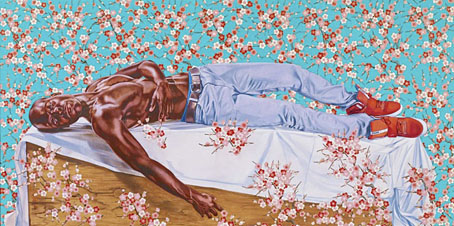
wiley.jpg

The Death of Chatterton (2014) by Kehinde Wiley.

• Mixes of the week (and the week before that): The Conjurer’s Hexmas: Second Rite by SeraphicManta; Secret Thirteen Mix 140 by Deaf Center; Best of 2014: A Highly Opinionated Mix by Robin The Fog.

• Never mind Music for Airports, how about Music for Neurosurgery? The Tegos Tapes Edits are extracts from “12 hours of unheard Vangelis music soundtracking films of various surgical operations”.

• “It was one of the first magazines that, with science-fiction and comics together, proposed comics for adults.” Aug Stone on 40 years of publisher Les Humanoïdes Associés and Métal Hurlant.

• Zinesters Do It on the Photocopier: Stephanie Schroeder on the Queer Zine Archive Project. Related: Holy Titclamps by Larry-bob Roberts.

A Year In The Country reached the end of its 365 posts. The archive is well worth a browse.

• “These people love to collect radioactive glass. Are they nuts?” asks Ben Marks.

• Think before you share: 86 viral images from 2014 that were totally fake.

• The Anti-Tolkien: Peter Bebergal on Michael Moorcock.

• Extracts from Alan Bennett‘s diary for 2014.

John Cage 4’33” Autotune

Alpha (1976) by Vangelis | Reve (1979) by Vangelis | L’Enfant (1979) by Vangelis

William Heath Robinson’s Rabelais

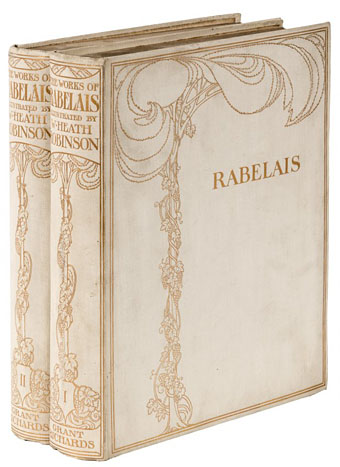
rabelais00.jpg

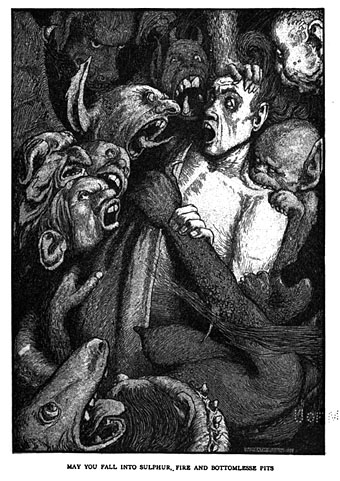
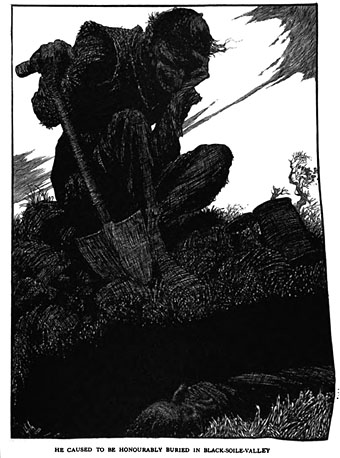
Ending the year with some Heath Robinson illustrations I’d not seen before, probably because their grotesque qualities set them apart from the rest of his whimsical drawings and fairy tale illustrations. Illustrated editions of Rabelais are rare owing to the coarse and scatological nature of the novels. Gustave Doré‘s robust and bloodthirsty character made him a good match for the material but it’s a surprise to find a generally light-hearted illustrator like Heath Robinson tackling the same stories.

rabelais01.jpg

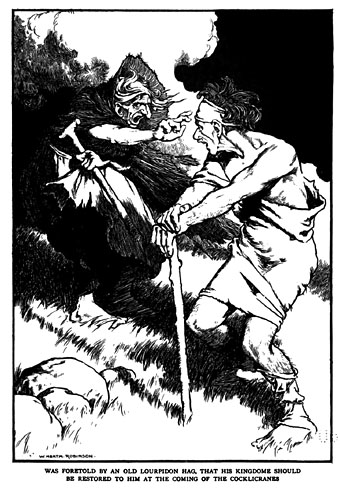
Robinson’s illustrations were for a two-volume set published in 1904 (see here and here), and are suitably dark with plenty of solid blacks and heavy cross-hatching. Some of the drawings are so different to the artist’s usual work they could be taken at first glance for pieces by Sidney Sime or Mervyn Peake. More typical are the numerous vignettes that appear at the ends of chapters. The examples here are from Google scans at the Internet Archive but some of the original drawings may be seen in better quality (and purchased if you have the money) at the Chris Beetles gallery.

rabelais02.jpg

rabelais03.jpg

Continue reading “William Heath Robinson’s Rabelais”