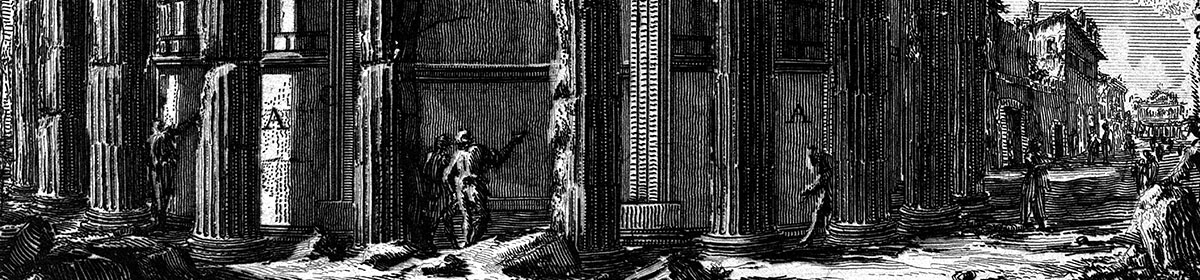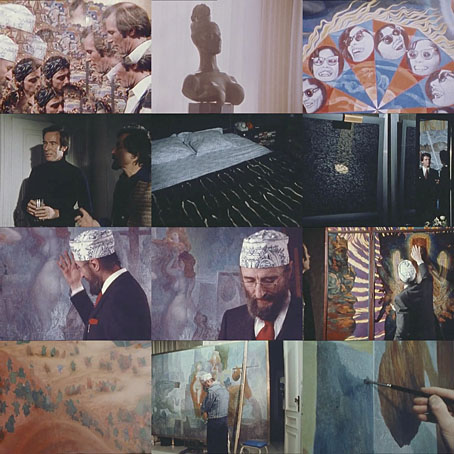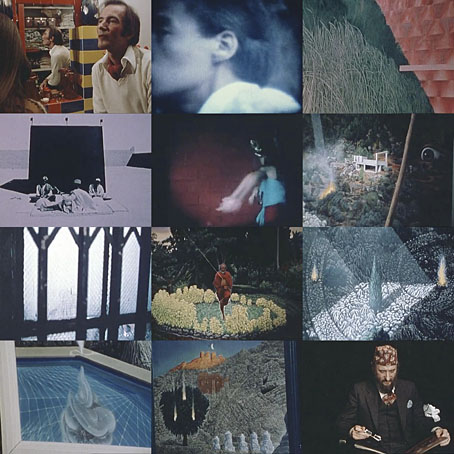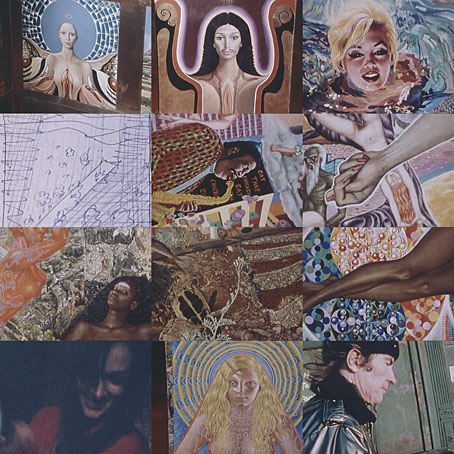
Trois peintres visionnaires, a film by Fabienne Strouvé

threepainters.jpg

Another gem of an arts documentary, Trois peintres visionnaires is a companion film to Mati Klarwein, peintre Américain: both films feature Klarwein and Ernst Fuchs, while this one also includes another artist, Austrian Arik Brauer (credited as Eric in the titles). As with yesterday’s film there’s a small extract from Popol Vuh’s Hosianna Mantra on the soundtrack plus one of the Cluster and Eno recordings. The three painters are shown performing an impromptu Tibetan (?) chant inside Mati Klarwein’s Aleph Sanctuary then talking together inside Fuchs’ resplendent museum where the Aleph Sanctuary was housed for several years. As before, the conversation is in French but you also get to see Fuchs at work, and there’s a roaming closeup of one of his jewelled paintings.

Elsewhere on { feuilleton }
The fantastic art archive

Previously on { feuilleton }
Mati Klarwein, peintre Américain, a film by Fabienne Strouvé
Ernst Fuchs, 1977
The art of Mati Klarwein, 1932–2002

Mati Klarwein, peintre Américain, a film by Fabienne Strouvé

mati1.jpg

And speaking of the 1970s and Ernst Fuchs and Mati Klarwein… Fabienne Strouvé’s Mati Klarwein, peintre Américain is a 25-minute portrait of Mati Klarwein and family made in 1979. Despite being filmed in New York City most of the conversation is in French—the Klarweins being fluent speakers—but if you like Klarwein’s art this is still a wonderfully insightful film. I always wonder about the size of paintings and other technical details so it’s good to see that, yes, many of Klarwein’s later works are larger than you might expect from reproductions, and it’s also instructive to see him at work with a portion of his painting covered by masking tape. Ernst Fuchs makes a couple of appearances (speaking French—“psychédélique!”), and you get a brief Mati guide to some of the paintings that comprise the incredible Aleph Sanctuary.

mati2.jpg

(Video link updated.)

Elsewhere on { feuilleton }
The fantastic art archive

Previously on { feuilleton }
Ernst Fuchs, 1977
The art of Mati Klarwein, 1932–2002

Ernst Fuchs, 1977

fuchs12.jpg

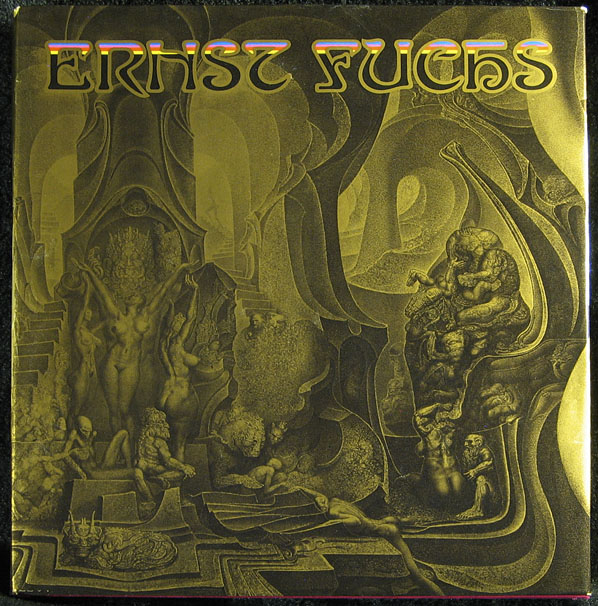
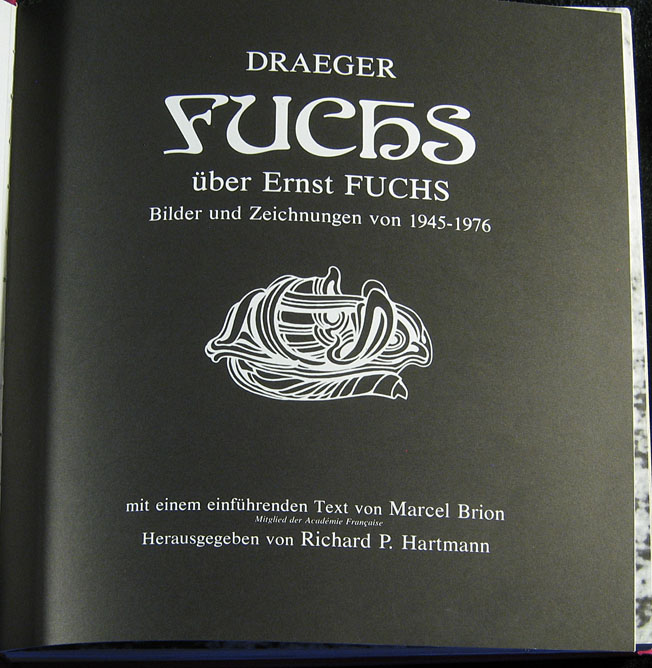
I try to avoid buying even more big art books when I already have shelves groaning under the weight of the things but this one was unavoidable. I’d been after Draeger’s Ernst Fuchs (1977) for some time but whenever I went searching for a copy all the available ones were prohibitively expensive. The news of Fuchs’ death earlier this month prompted a new search which revealed a copy that was astonishingly cheap: £17.50 (!) for a large, heavy and very lavish art book that’s been out of print for years. Even with the postage this was still a remarkable bargain.

fuchs01.jpg

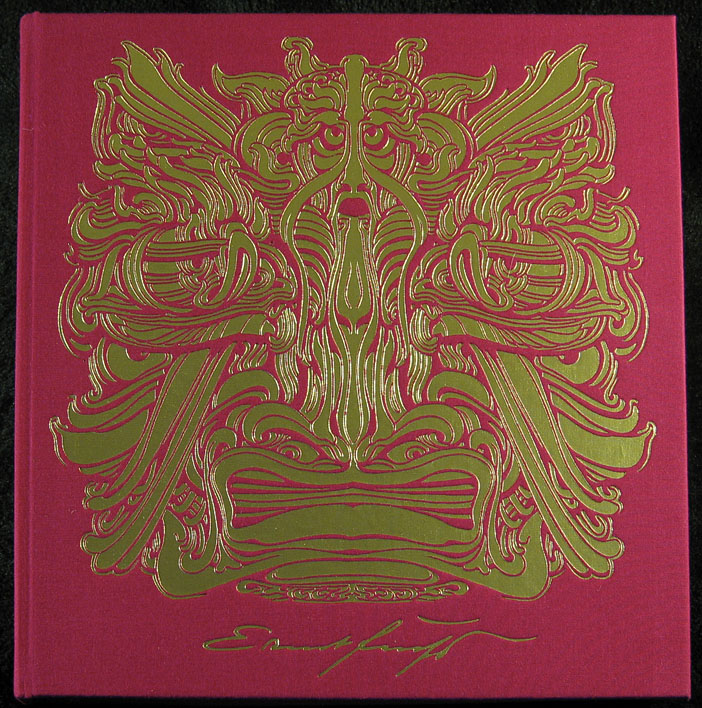
After taking delivery of it today I’m even more surprised since the book is better than expected, with heavy paper throughout and numerous colour plates. The text is in German, of course, but that’s not a problem when there are so many beautiful reproductions of favourite pictures. An exceptional production with a dust jacket of deep metallic gold beneath which you find a Fuchs design blocked onto the boards, front and back.

fuchs02.jpg

Something I realised looking through the pages is that this is yet another of the art books that provided pictures for the early issues of Omni magazine. Mati Klarwein’s God Jokes was published in 1976; Giger’s Necronomicon had its first English edition in 1977, the same year as the Fuchs book; Bob Venosa‘s Manas Manna appeared in 1978; Omni showcased work by all these artists and others like them, and was the first place where I and many other readers would have seen their paintings. One of the pictures in this Fuchs collection appeared on the cover of Omni #6 in March, 1979. The 1970s was, among other things, a great period for this type of fantastic art.

Continue reading “Ernst Fuchs, 1977”

Italian villas and their gardens

parrish01.jpg

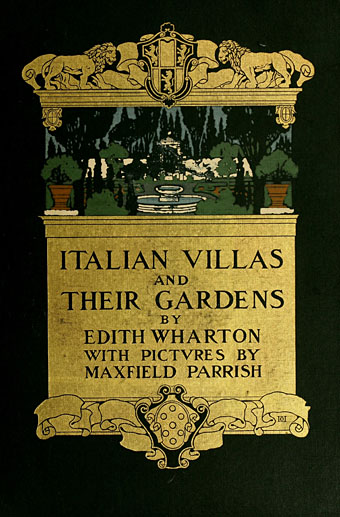
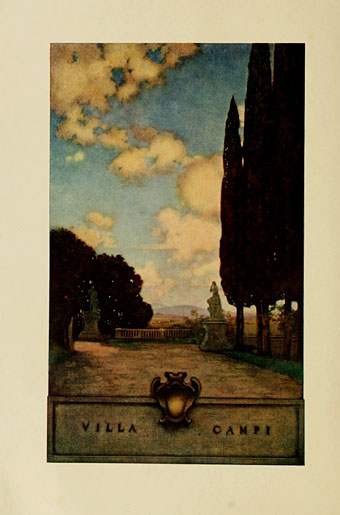
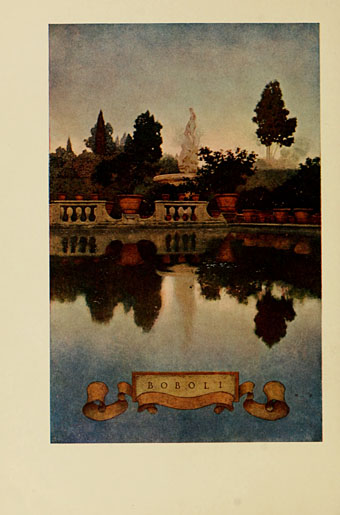
As the gilded panel proclaims, this book is a collaboration between Edith Wharton and Maxfield Parrish. Italian Villas and their Gardens was published in 1904, and includes many photos of the houses and their grounds in addition to Parrish’s illustrations. The Parrish pictures look at times like unpopulated scenes from his illustrations for children’s books.

parrish02.jpg

parrish03.jpg

Continue reading “Italian villas and their gardens”

Folk Horror Revival: Field Studies

folkhorror.jpg

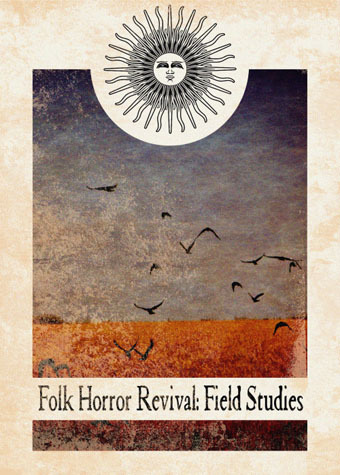
The particularly British sub-genre of folk horror receives a substantial examination in Folk Horror Revival: Field Studies, a 500-page collection of essays, interviews and artwork edited by Andy Paciorek.

Featuring essays and interviews by many great cinematic, musical, artistic and literary talents, Folk Horror Revival: Field Studies is the most comprehensive and engaging exploration to date of the sub-genre of Folk Horror and associated fields in cinema, television, music, art, culture and folklore.

Includes contributions by Kim Newman, Robin Hardy, Thomas Ligotti, Philip Pullman, Gary Lachman and many many more.

100% of all profits from sales of the book will be charitably donated to environmental, wildlife and community projects undertaken by The Wildlife Trusts.
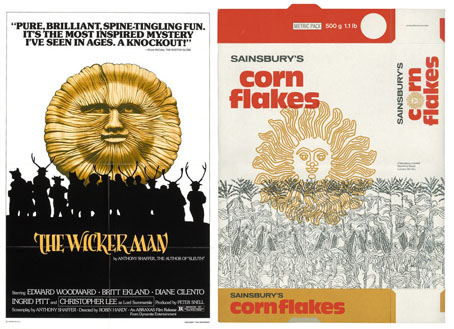
sun2.jpg

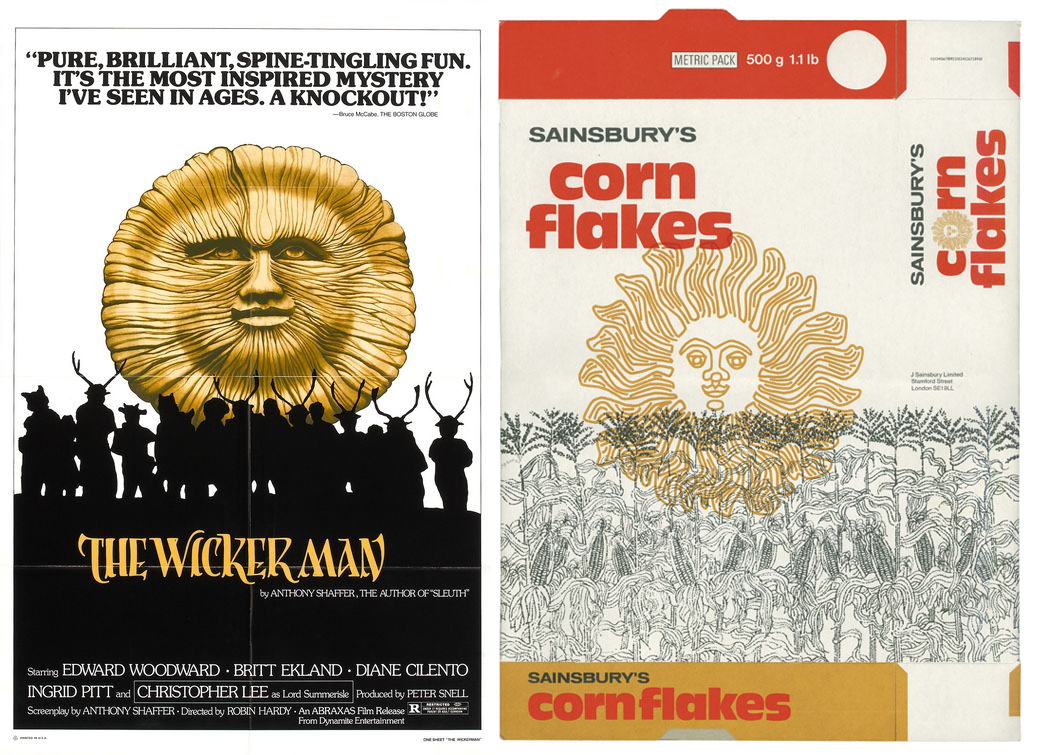
Nuada rising, 1973 & 1976.

Among the contents there’s my 4000-word essay Sacred Demons: The Dramatic Art of David Rudkin, parts of which will be familiar to readers of my previous posts about Rudkin’s work. I’m not sure Rudkin would appreciate being subjected to such a narrow focus when his plays and TV films are much more personal and cerebral than most generic entertainments. But there is an intersection in a number of them with folk horror at its widest reach, and Rudkin did happen to adapt The Ash-Tree (1975) by MR James for the BBC’s series of ghost stories at Christmas. My piece covers this along with other TV films such as Penda’s Fen (1974) and Artemis 81 (1981), and many of the stage plays including Afore Night Come (1962), The Sons of Light (1965/76) and The Saxon Shore (1983). The stage plays I only know from their scripts which makes them difficult to appraise; maybe the renewed interest in Rudkin’s work will spur some revivals.
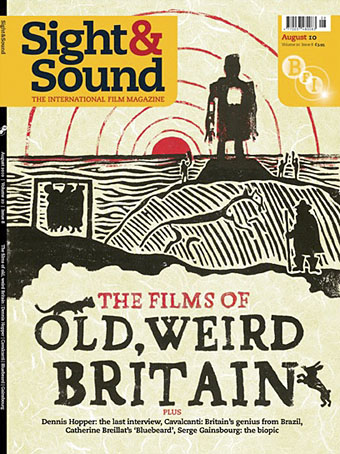
oldweird.jpg

Sight and Sound, August 2010. Illustration by Becca Thorne.

Paciorek’s book isn’t solely concerned with British subjects, other essays include studies of Weird Americana, the music of The Cremator and Morgiana, and Czech folk horror. The Lulu page apparently didn’t allow the listing of a full table of contents so I’m posting the details below.

Continue reading “Folk Horror Revival: Field Studies”