More Salomés

salome1.jpg

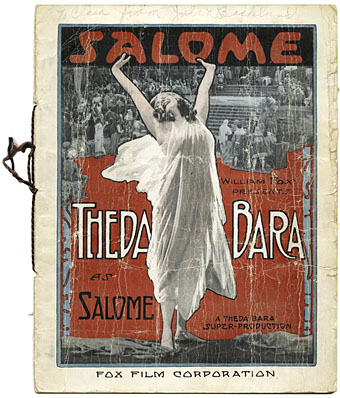
Salome (1918) souvenir book.

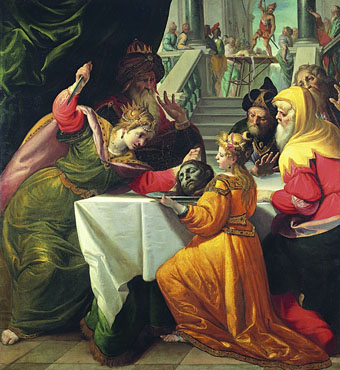
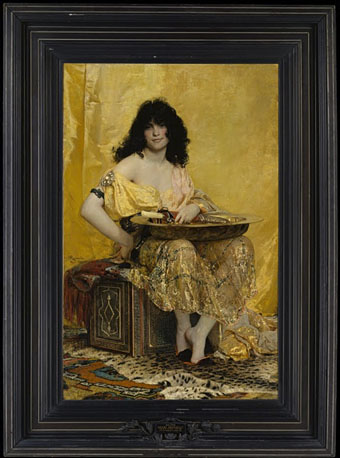
A few of the Salomés recently added to the Google Art Project. The painting by Andrea Ansaldo shows a head that looks distinctly unwell, something that’s not so common in the world of glow-in-the-dark saints. Ansaldo’s Salomé, meanwhile, is so young and diminutive that she hardly seems capable of holding the platter. One way in which this particular theme has survived for so long is that the narrative thread is the sole thing that connects the many variations, all other details are open to interpretation.

Below there’s a more recent painting by Izabella Gustowska that makes the inevitable connection between Salomé and her Biblical sister, Judith.
salome2.jpg

Herodias Presented with the Head of the Baptist by Salomé (c. 1630) by Andrea Ansaldo.
salome3.jpg

Salomé (1870) by Henri Regnault.
Continue reading “More Salomés”

John Batten’s Celtic fairy tales

batten22.jpg

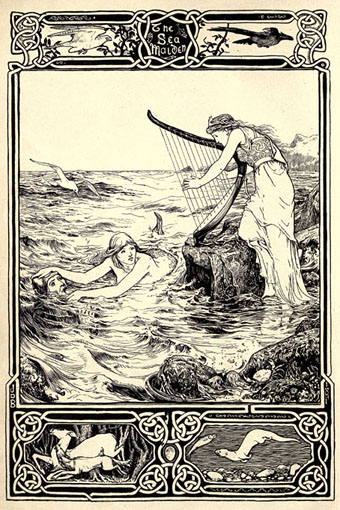
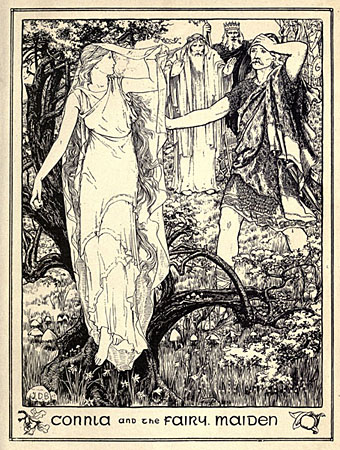
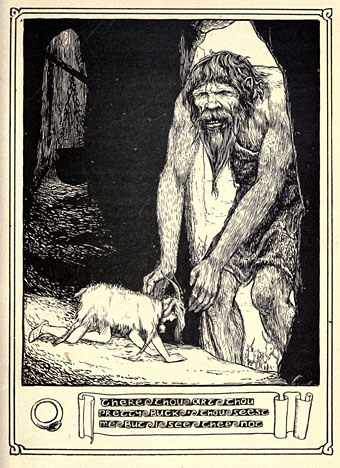
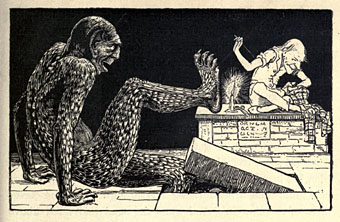
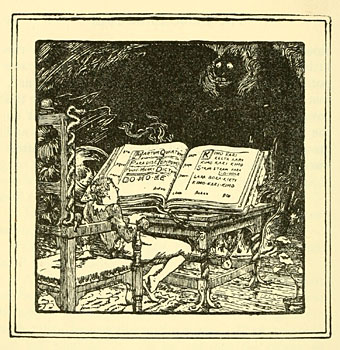
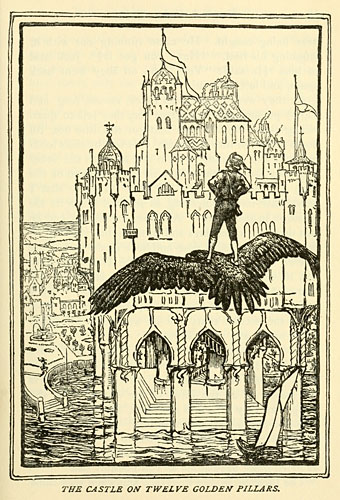
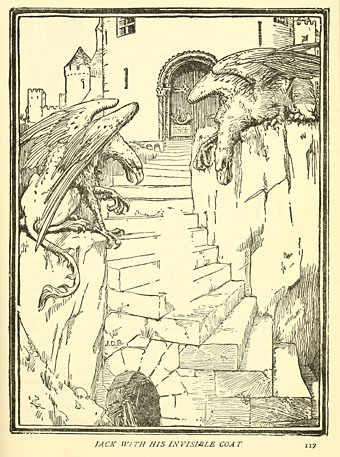
Yet more illustrations from John Dickson Batten, the pages this time being from Celtic Fairy Tales (1892), and More Celtic Fairy Tales (1895). Once again, both books were written by Batten’s regular collaborator Joseph Jacobs. As is often the case where less familiar stories are concerned, they yield some striking imagery.

batten23.jpg

batten24.jpg

batten25.jpg

batten26.jpg

Continue reading “John Batten’s Celtic fairy tales”

John Batten’s English fairy tales

batten09.jpg

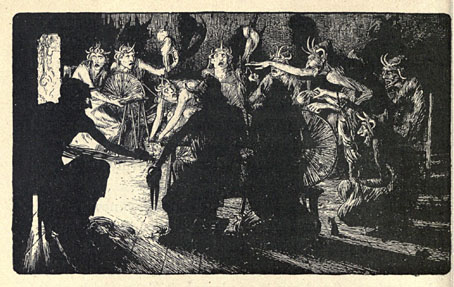
More from illustrator John Dickson Batten with pages from two further collaborations with writer Joseph Jacobs, English Fairy Tales (1890), and More English Fairy Tales (1894). The latter (on the lighter paper below) are much better than the earlier set. The second book also includes The Hobyahs, a surprisingly violent story about a gang of mischievous creatures that the artist illustrates in an almost comic-book style. There’ll be more Batten tomorrow.

batten10.jpg

batten11.jpg

batten12.jpg

Continue reading “John Batten’s English fairy tales”

John Batten’s Book of Wonder Voyages

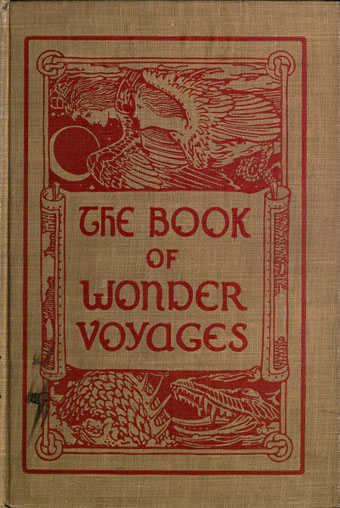
batten01.jpg

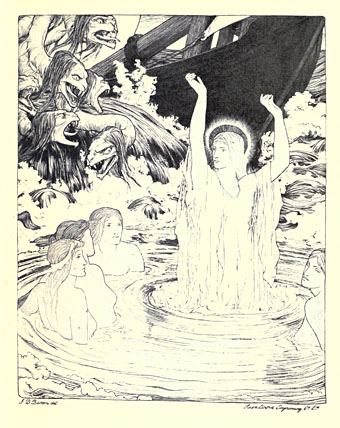
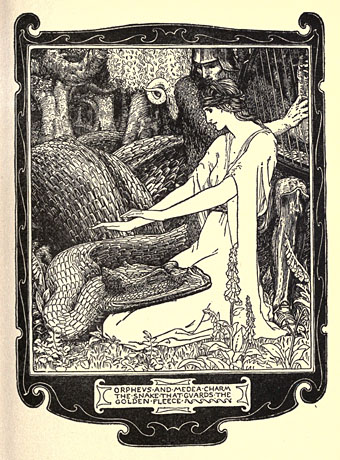
The book illustrations of John Dickson Batten (1860–1932) turn up in collections of Victorian and Edwardian art but his name isn’t as familiar as that of his contemporaries, possibly because he was also pursuing a career as a painter. Prior to finding this volume I’d only seen a couple of his drawings before.

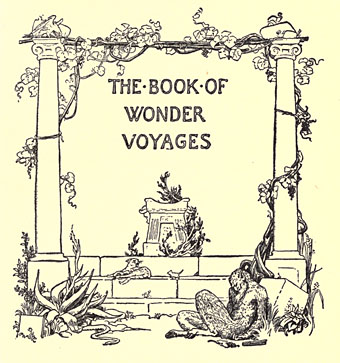
The Book of Wonder Voyages (1919) was one of several collaborations with writer Joseph Jacobs, a retelling of mythic seafaring which includes Jason and the Argonauts but surprisingly omits other well-known examples such as Odysseus and Sinbad. In their stead we have The Voyage of Maelduin, Hasan of Bassorah, and The Journeyings of Thorkill and Eric the Far-Travelled. Batten’s drawings remind me of Patten Wilson, especially in the full pages, although Wilson was the more dedicated stylist. This isn’t necessarily the best of Batten’s work, however. Browse the rest of the book here or download it here. There’ll be more Batten tomorrow.

batten02.jpg

batten03.jpg

batten04.jpg

Continue reading “John Batten’s Book of Wonder Voyages”

8 x 8: A Chess Sonata in 8 Movements

8x8-1.jpg

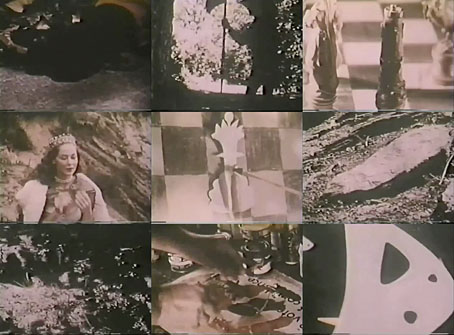
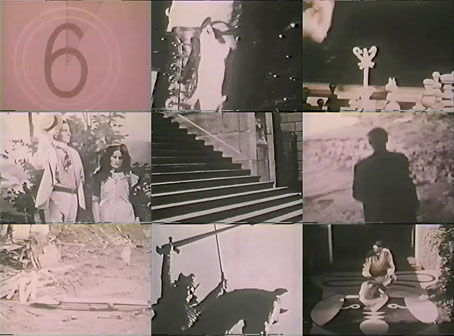
Continuing the Cocteau theme, this fascinating film remains (for the time being) unavailable in a better copy despite its artistic all-star cast. 8 x 8: A Chess Sonata in 8 Movements (1957) can be regarded as a follow-up to Hans Richter’s Surrealist anthology Dreams That Money Can Buy (1947), the directorial credit this time being shared between Richter, Jean Cocteau and Marcel Duchamp. The latter famously quit the art world to devote more time to chess-playing so his involvement with a chess-based fantasy (self-described as “a fairytale for grownups”) isn’t so surprising:

It explores the realm behind the magic mirror which served Lewis Carroll 100 years ago to stimulate our imagination.

The cast comprises famous friends including Cocteau himself, Max Ernst, Dorothea Tanning, Paul Bowles, Fernand Leger, Alexander Calder, Duchamp, and, in the Venetian episode, Peggy Guggenheim in her favourite sunglasses. In places it’s closer to Kenneth Anger’s Inauguration of the Pleasure Dome (1954) than Dreams That Money Can Buy, especially since Anger’s film was another assemblage of unique personalities. One detail I’ve not seen remarked upon elsewhere is the presence behind the camera of Louis & Bebe Barron who assisted with the sound. The Barrons are better known today for their still astonishing all-electronic score for Forbidden Planet (1956). Watch 8 x 8 at Ubuweb or YouTube.

8x8-2.jpg

Previously on { feuilleton }
Dreams That Money Can Buy