Weekend links 224

zona.jpg

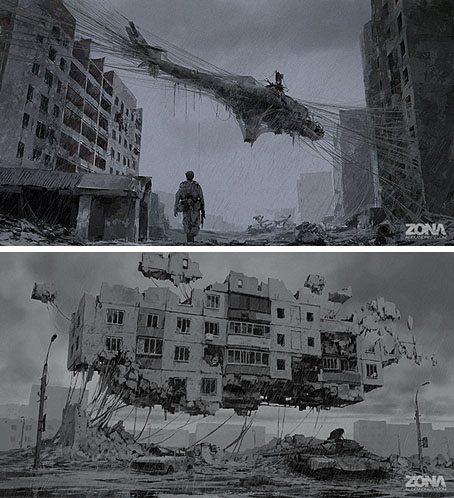
Zona: concept art by Alex Andreyev for a planned TV series based on Roadside Picnic by Arkady & Boris Strugatsky.

The Black Sessions are a long-running series of concerts by international artists recorded for radio station France Inter. UK group Broadcast were recorded by the station in May, 2000. While copies of the shows can be often be hard to find, files of the Broadcast concert may be downloaded here. A fantastic performance, especially the white-hot psychedelic freakout at the end.

• Further investigations from the radio age: Invention for Radio No. 1: The Dreams (43 mins, 1964): “an attempt to re-create in five movements some sensations of dreaming—running away, falling, landscape, underwater and colour”. Voices recorded by Barry Bermange with Radiophonic manipulation by Delia Derbyshire.

• “…in his first description of Cthulhu he gives you a list of four things that Cthulhu isn’t quite like.” Nick Talbot talks to Alan Moore about HP Lovecraft. Related: one of my depictions of Azathoth appears in this list of “gods who have forsaken you”.

• Tracking the locations of JG Ballard’s Super-Cannes: an investigation by Rick Poynor. Related: houseboats, architecture and eco-disaster; Justin Sullivan photographs California’s extreme drought.

• “As her writing career existed outside the realm of respectable ‘high-lit’ fiction, she cast herself as an outsider icon.” Chris Kraus on I’m Very Into You, a collection of Kathy Acker’s emails.

• Cover design inspiring fiction: Susan Coll on how a photo of a Bauhaus chair on the cover of her new novel, The Stager, made her alter her text at the last minute.

• “People were either taken by it or felt it was the Antichrist.” MetaFilter on Clair Noto’s unmade science-fiction film, The Tourist.

The Norwood Variations is a new album by Drew Mulholland (Mount Vernon Arts Lab et al).

• Thought Maybe has a collection of the television essays made by Adam Curtis.

• From 1974: How To Make Magic, a children’s handbook of the occult.

• Mix of the week: Secret Thirteen Mix 126 by Mira Calix.

One Minute Blasts Rising To Three And Then Diminishing (2000) by Mount Vernon Arts Lab | Dashwood’s Reverie (2001) by Mount Vernon Arts Lab | Warner’s Reverie (2002) by Mount Vernon Astral Temple
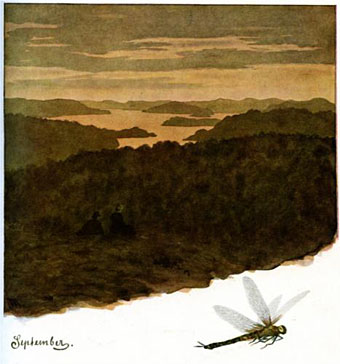
September

september08.jpg

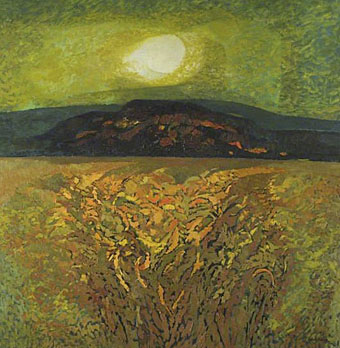
September (no date) by John Elwyn.

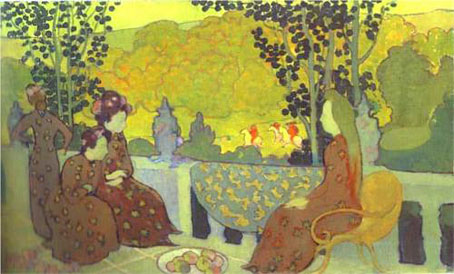
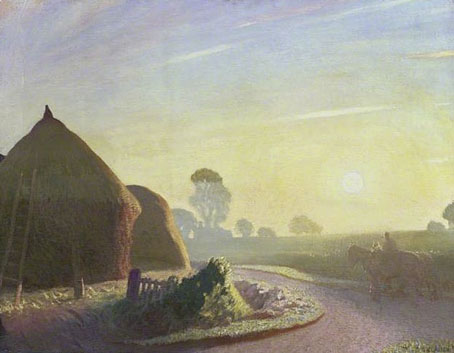
The beginning of autumn in paintings, and a very small selection. Something about the light and balmy air of September in the Northern Hemisphere generates a large quantity of pastoral scenes and landscapes.

september01.jpg

September (1890) by Theodor Severin Kittelsen.

september02.jpg

The Seasons Series: September (1891) by Maurice Denis.

september03.jpg

Sunrise in September (1924) by George Clausen.

Continue reading “September”

Pierre-Yves Trémois’s Fleurs du Mal

tremois1.jpg

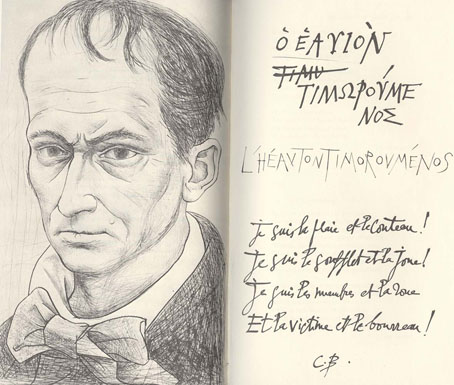
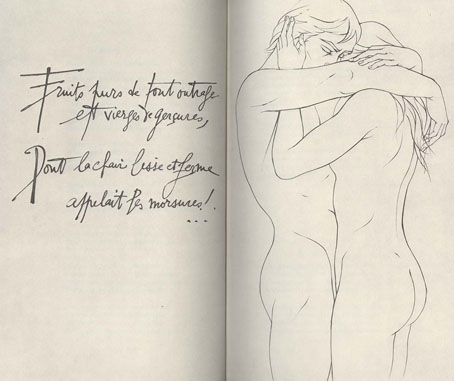
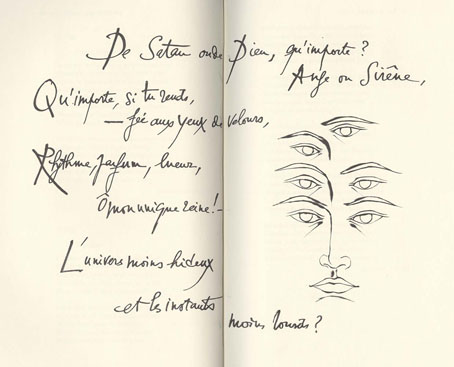
A couple of works by Pierre-Yves Trémois appeared in one of the very first posts here back in 2006 as part of the feature that began the long-running Recurrent Pose series. I like Tremois’s work a great deal so it’s good to find these pages from his 1971 edition of Baudelaire’s Les Fleurs du Mal. There were ten illustrations in all, some of them in the clear-line etching style familiar from his many prints. The Tremois edition is unusual in having some (all?) the poems written out by the artist. He’s also one of the few illustrators to do justice to Baudelaire’s scandalous lesbian verses by showing women who actually seem attracted to one another. Earlier illustrators—if they depicted the theme at all—were much more coy.

tremois2.jpg

tremois3.jpg

Continue reading “Pierre-Yves Trémois’s Fleurs du Mal”

Victor Delhez’s Fleurs du Mal

delhez1.jpg

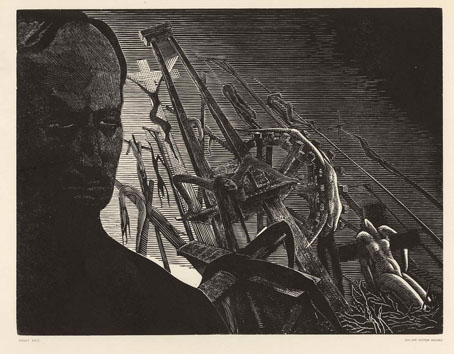
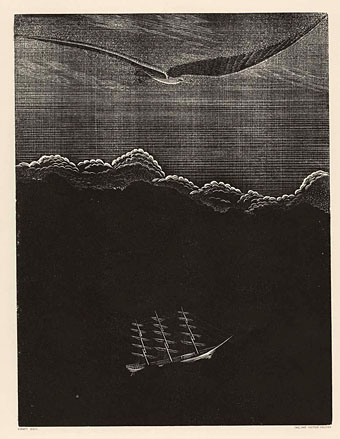
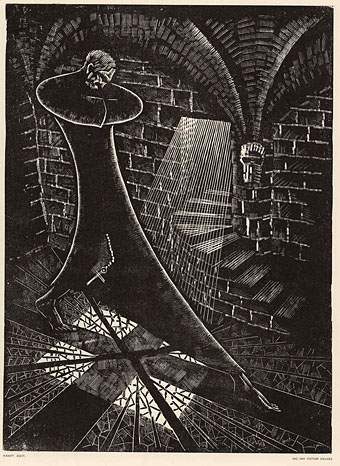
Another illustrated Baudelaire. Two editions that I might have featured in this series have already been posted in quality scans at 50 Watts: the 1935 Fleurs du Mal by Carlo Farnetti, and a 1947 edition by Beresford Egan, the latter being a good example of a well-matched artist and author.

The illustrations here are woodcuts once again, the artist being Victor Delhez (1902–1985), a Belgian who moved to South America. The 1950 Fleurs du Mal which featured these plates contained 20 illustrations in all but these are the only ones online. I hadn’t come across Delhez before but he was a prodigiously talented artist, as can be seen from the print collection at William P. Carl Fine Prints.

delhez2.jpg

delhez3.jpg

Continue reading “Victor Delhez’s Fleurs du Mal”

Raphaël Drouart’s Fleurs du Mal

drouart01.jpg

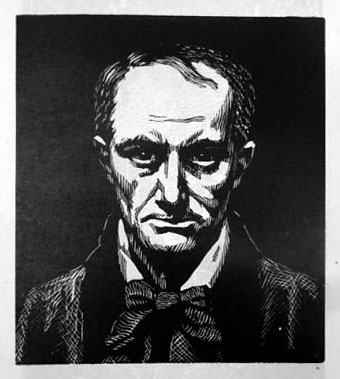
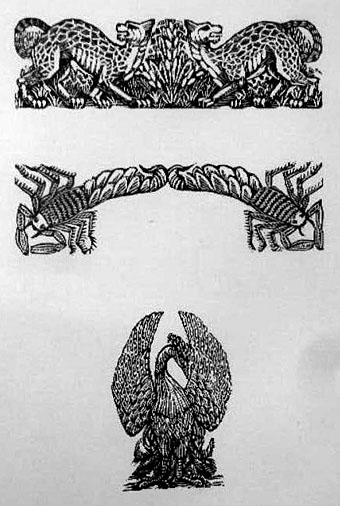
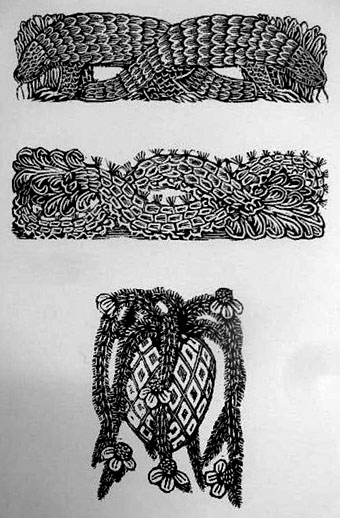
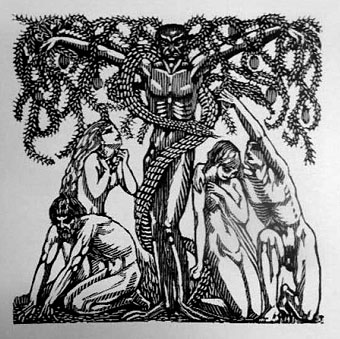
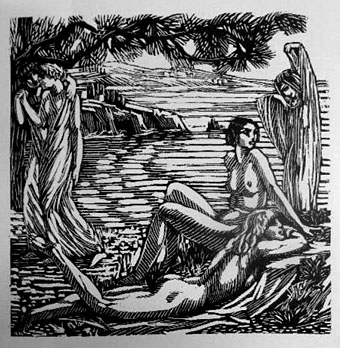
It seems to be Fleurs du Mal Week here. Raphaël Drouart (1884–1972) was another French artist who specialised in woodcut illustrations. The pictures here are from a 1923 edition of Les Fleurs du Mal found on an auction site.

Despite (or because of) the scandalous nature of Baudelaire’s poetry, there are many illustrated editions of this particular collection, not all of them by artists suited to the material. This is often a common fate of those books whose popularity makes them a magnet for illustrators. One thing the various editions do have in common is the portrait of the poet as a frontispiece, although even there the author of Spleen can be made to look dopey or silly. By contrast, Raphaël Drouart captures the familiar scowl well enough, and also fares better than many when it comes to the poems. The combination of woodcuts and skeletons is reminiscent of Posada’s calaveras.

drouart02.jpg

drouart03.jpg

drouart04.jpg

drouart05.jpg

Continue reading “Raphaël Drouart’s Fleurs du Mal”