Weekend links 550

moebius

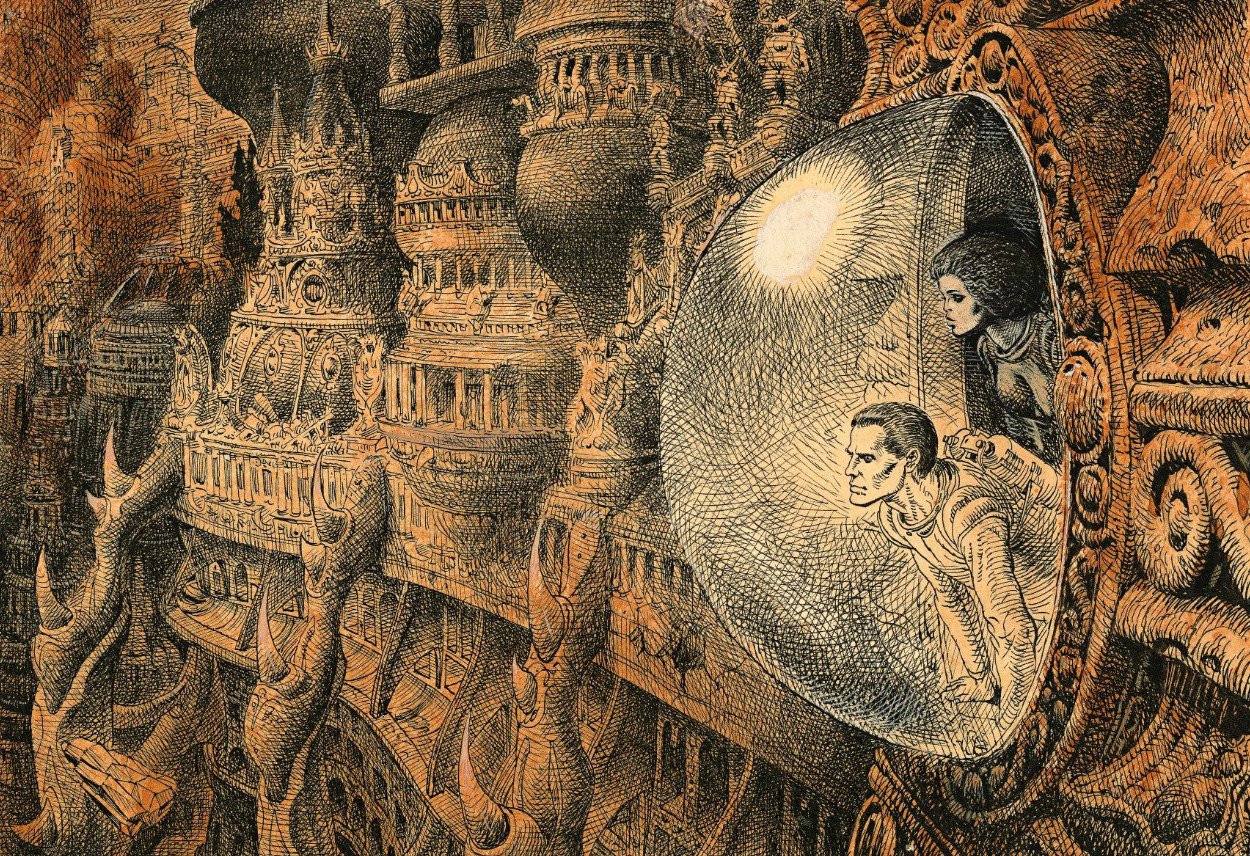
Illustration by Moebius for Les Robinsons du Cosmos (1970) by Francis Carsac.

Notre Dame des Fleurs is a collection of art based on or inspired by the Jean Genet novel. The book, which includes some new work of mine, will be published in February. Editor Jan van Rijn has a trailer for it here. It’s limited to 150 copies so anyone interested is advised to pre-order.

• Books that made me: William Gibson‘s influential reading. Good to see him mention Suttree by Cormac McCarthy, an outstanding novel that might be better known if it wasn’t for the gravitational pull of McCarthy’s other works.

• Zagava have announced a paperback reprint of The Art of Ilna Ewers-Wunderwald, a collection of neglected Art Nouveau drawings and designs compiled by Sven Brömsel.

• At Dennis Cooper’s: Black_Acrylic presents…He Stood In The Bath And He Stamped On The Floor: A Joe Meek Day.

• More yearly roundups: Our Haunted Year 2020 by Swan River Press, and The Year That Never Was by blissblog.

• New music: Spaceman Mystery Of The Terror Triangle by The Night Monitor.

Ralph Steadman’s guided tour through six decades of irrepressible art.

• At Greydogtales: Valentine Dyall: Mystery and Mesmerism.

• At Wormwoodiana: The Esoteric in Britain, 1921.

• At Strange Flowers: Marie Menken’s Lights.

I Want To See The Bright Lights Tonight (1974) by Richard and Linda Thompson | Neon Lights (1978) by Kraftwerk | Lights (1980) by Metabolist

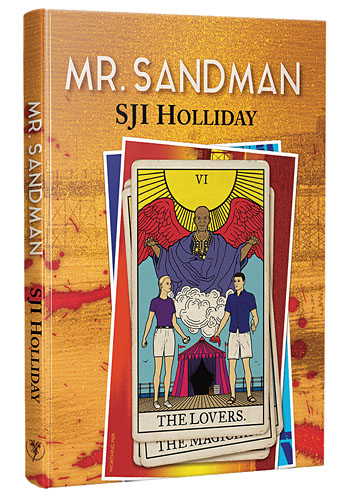
Mr Sandman

sandman1.jpg

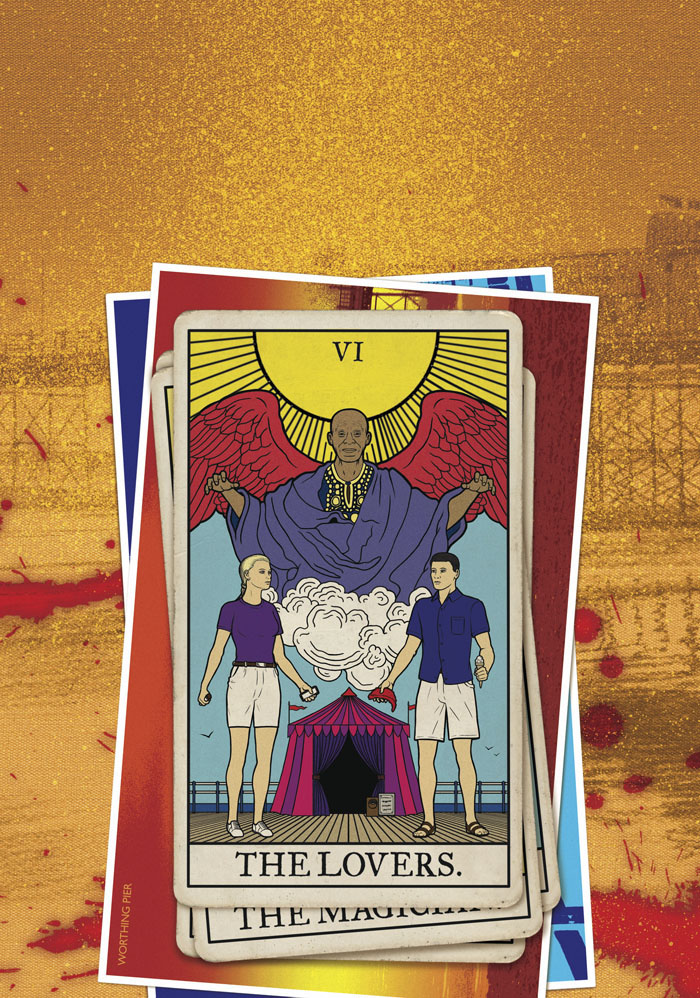
The last cover reveal of the year isn’t my last cover of the year, two more will follow this one but they won’t be made public until next year. As before, I’ve only done the illustration this time, PS Publishing having an in-house designer who does the rest. Mr Sandman by SJI Holliday is another hardback novella, a horror tale with a sense of humour and a Monkey’s Paw-like warning about careless wishes:

Sophie is bored with her perfectly nice but deathly dull boyfriend Matthew. Sensing he’s about to lose her, Matthew takes her on a last-ditch attempt trip to the seaside, hoping to rekindle their dying flames. But things take a dark turn when Sophie visits Mr Sandman, a Haitian priest, who claims that he can change Matthew into the boyfriend that she wants. But does Sophie really know what she wants? Never has the phrase “be careful what you wish for” been more apt. Because Matthew does change…just not in the way that anyone could’ve predicted.

sandman2.jpg

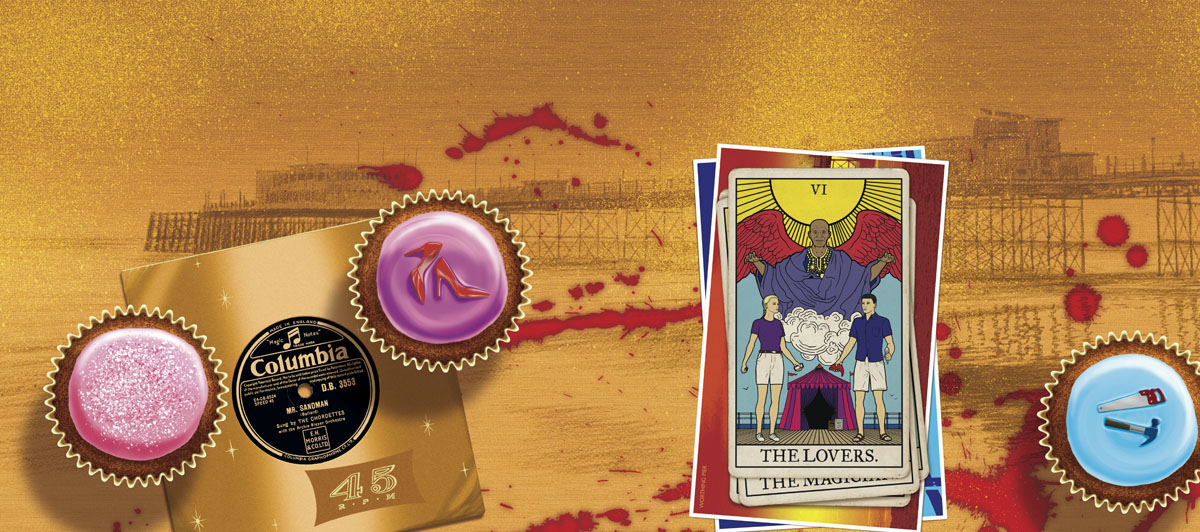
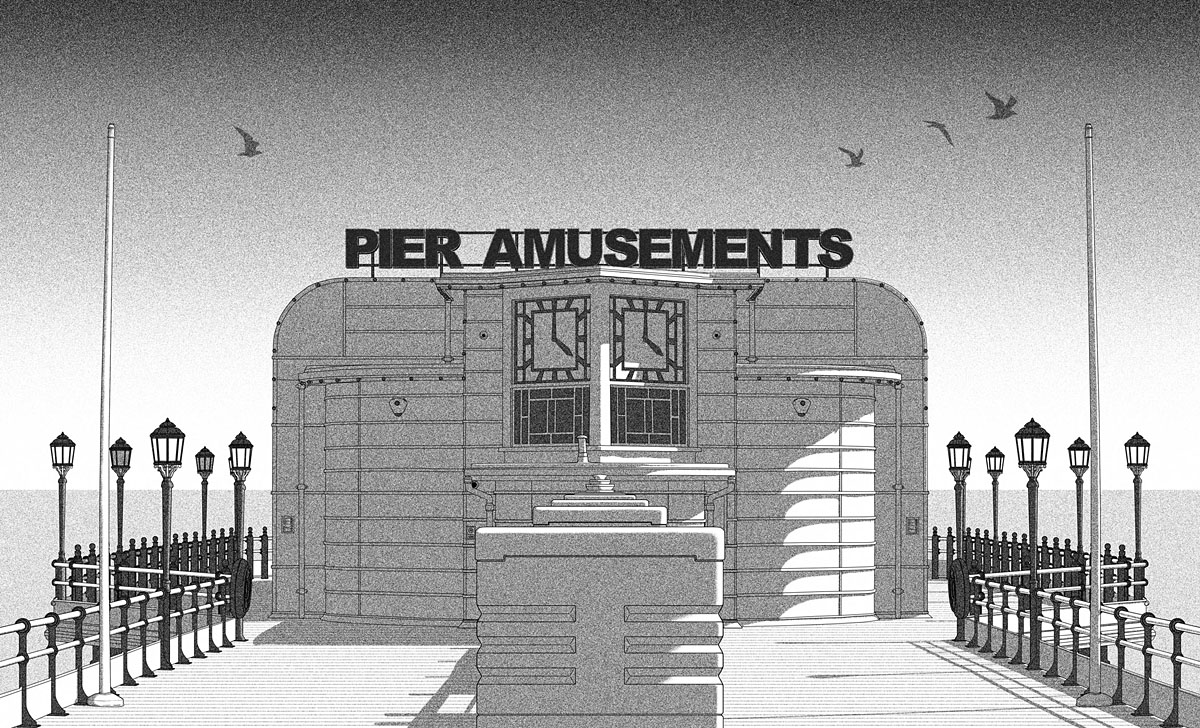
Worthing is a seaside town on the south coast of England that’s generally regarded as a poor relation of nearby Brighton. Despite this status the town does possess an award-winning pier which is the main focus of SJI Holliday’s story, so this seemed an inevitable focus for the cover as well. My idea was for something in the manner of Tom Adams, an artist who specialised in arrangements of carefully-painted objects on vague or sketchy backgrounds, with the backgrounds often depicting the location of the story. Having grown up in another seaside town blessed with three piers I’m well aware that all these structures aren’t the same so the pier details have been properly researched. The Tarot cards are an example of artistic licence, however, since the novella doesn’t mention Tarot divination. But with a narrative that concerns a visit to a fortune-teller’s booth this didn’t seem like too much of a stretch, as well as being a convenient way of depicting the main characters. Pamela Colman Smith’s cards were the model for these; the two main characters look a little stiff but that’s the way the figures are represented on her Lovers card, and the awkwardness of the relationship is a dominant theme. As for the cupcakes, these are all very relevant to the story but you’ll have to read the book to find out why.

sandman3.jpg

Endpaper illustration.

sandman4.jpg

Previously on { feuilleton }
Tom Adams Uncovered
Out of season

Seasonal spectres

ghosts.jpg

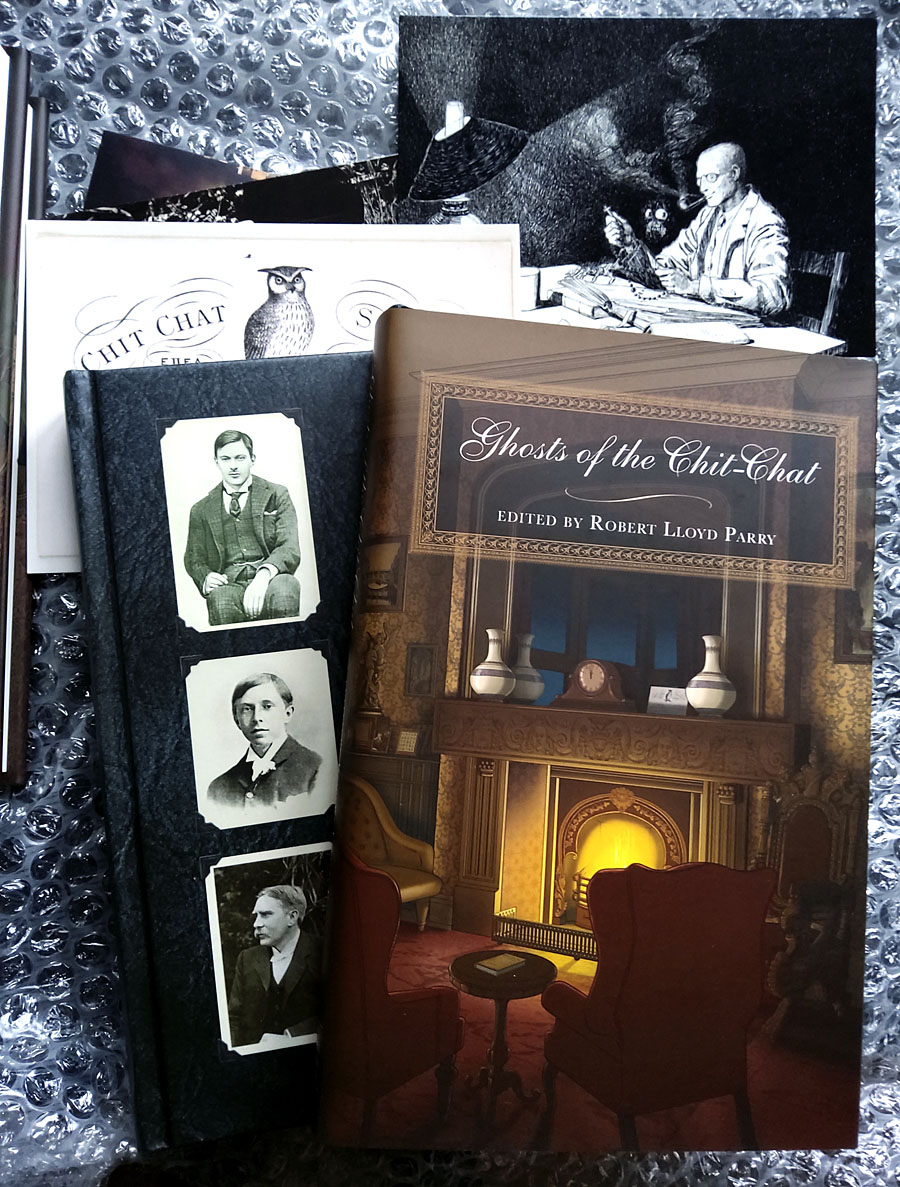
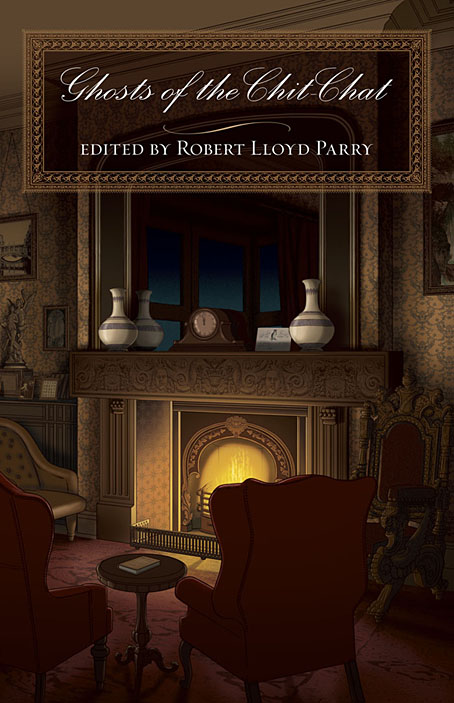
In today’s post, my latest cover for Swan River Press (previously). One tradition I’m always happy to endorse is the Christmas ghost story, when festive banalities are quelled by the words “Quis est iste, qui venit?” and “No diggin’ ‘ere!” Ghosts of the Chit-Chat delivers the chills with an outstanding tale—Basil Netherby by AC Benson—that I’d not read before and which is worth the price of entry alone. (That’s a photo of AC at the foot of the printed board, together with brothers EF and RH, both of whom are also represented inside.) But this is a solid collection with two early versions of familiar stories by MR James, together with a host of rarities. And the usual Swan River complement of related postcards, of course. Order it here.

Previously on { feuilleton }
Ghosts of the Chit-Chat
The Far Tower: Stories for WB Yeats
The Scarlet Soul: Stories for Dorian Gray
“Who is this who is coming?”

That old black magic: A Dark Song

adarksong1.jpg

Catherine Walker.

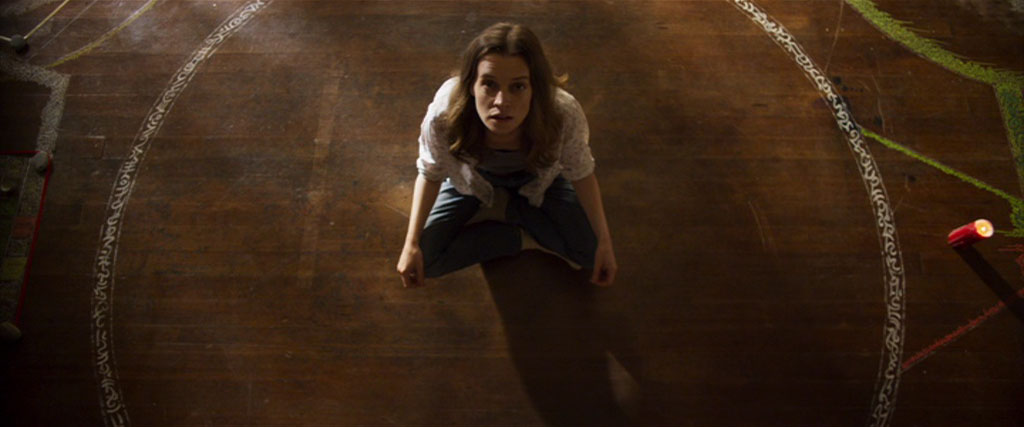
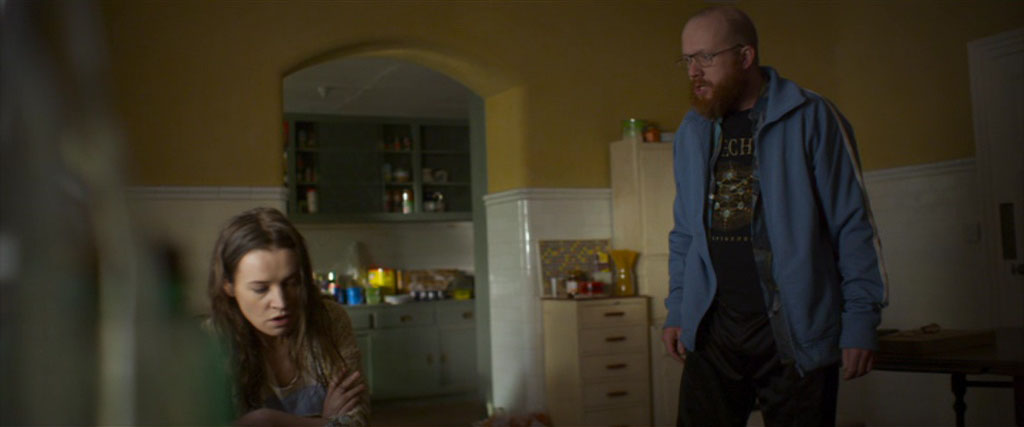
Among the Halloween viewing this year was A Dark Song (2016), a debut feature written and directed by Liam Gavin. I’d known about this one for some time thanks to recommendations from friends but for various reasons hadn’t seen it until now. Part of the interest was nakedly egotistical: one of the lead characters wears a T-shirt bearing a design based on the Epigenesis album cover that I created for Melechesh in 2010. The cover art—a variation on the Kabbalistic Tree of Life—suits the occult theme of the film, while Steve Oram’s character is also the kind of person who might be a metal-head.

adarksong2.jpg

Steve Oram in that shirt.

Ego matters aside, it’s the occult business that really sets this film apart. Had I known earlier that the story concerns an enactment of the famously arduous Abra-Melin ritual I’d have sought it out much sooner. Catherine Walker plays Sophia, a woman looking for supernatural vengeance following the murder of her young son. Her ritual guide, Oram’s Joseph Solomon, is evidently her last resort after attempts to hire other occultists have failed. Her determination forces her to engage the man despite his obvious unsuitability as a mentor for the Abra-Melin’s psychic assault course. Solomon is a surly recovering alcoholic; once the ritual begins he turns into a belligerent bully. With the pair locked into a remote house that neither of them can leave for fear of the occult consequences, the ensuing battle of wills makes an already hazardous ritual all the more dangerous.

adarksong3.jpg

Continue reading “That old black magic: A Dark Song”

Ghosts of the Chit-Chat

chitchat1.jpg

My latest cover for Swan River Press is very suitable for the season, It’s also a good example of the “window” type of cover design, where you show a view into a scene rather than a flat design. Window covers are common in fantasy and science fiction, less so in the horror genre where you often want to avoid giving too much away. The “Chit-Chat” of the title was The Chit-Chat Club, a group of students and tutors at King’s College, Cambridge:

On the evening of Saturday, 28 October 1893, Cambridge University’s Chit-Chat Club convened its 601st meeting. Ten members and one guest gathered in the rooms of Montague Rhodes James, the Junior Dean of King’s College, and listened — with increasing absorption one suspects — as their host read “Two Ghost Stories”.

Ghosts of the Chit-Chat celebrates this momentous event in the history of supernatural literature, the earliest dated record we have of M. R. James reading his ghost stories out loud. And it revives the contributions that other members made to the genre; men of imagination who invoked the ghostly in their work, and who are now themselves shades. In a series of essays, stories, and poems Robert Lloyd Parry looks at the history and culture of the Club.

In addition to tales and poems never before reprinted, Ghosts of the Chit-Chat features earlier, slightly different versions of two of M. R. James’s best-known ghost stories; Robert Lloyd Parry’s profiles and commentaries on each featured Chit-Chat member sheds new light on this supernatural tradition, making Ghosts of the Chit-Chat a valuable resource for casual readers and long-time Jamesians alike. (more)
chitchat2.jpg

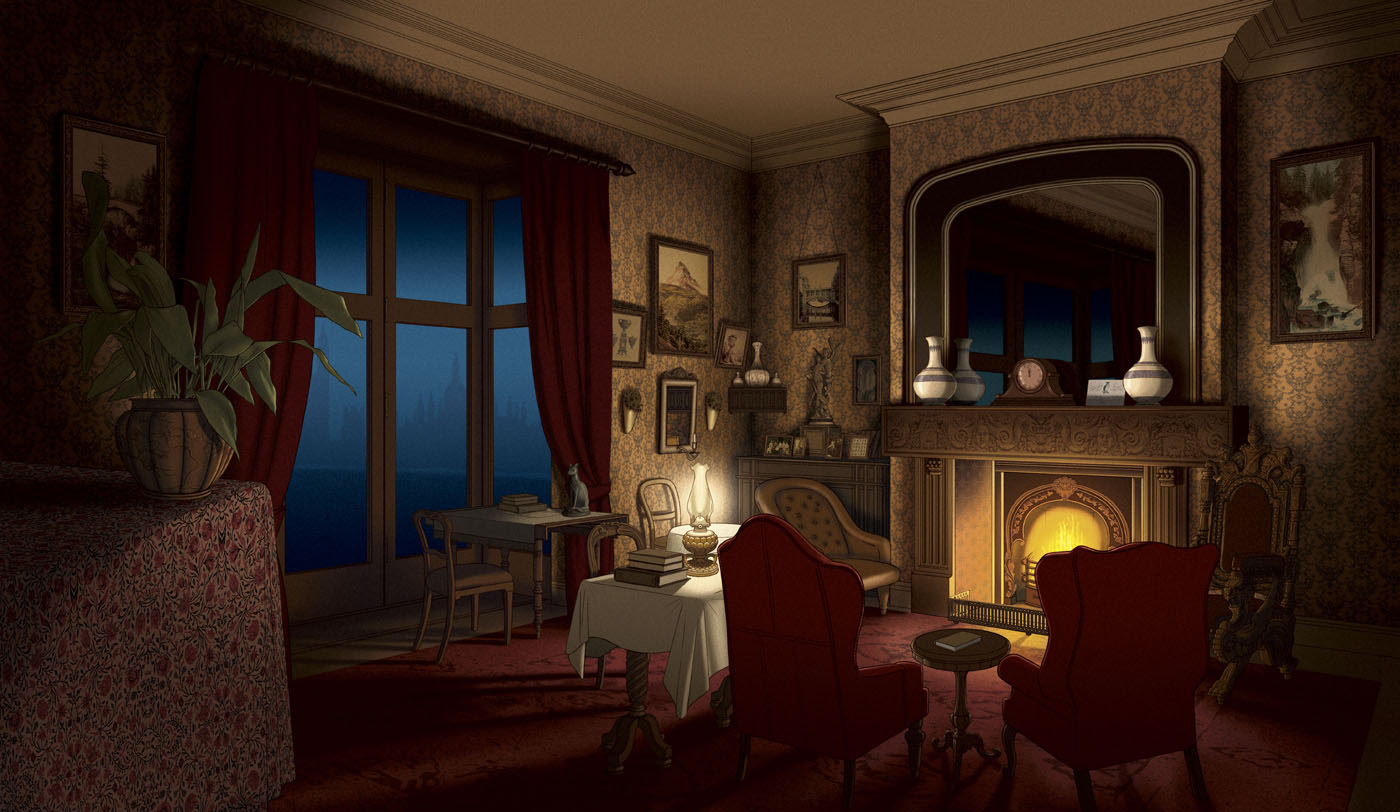
The full picture which will be a little cropped on the print version. Here you get to see more aspidistra.

The brief for the cover was to show a view of an empty room in a manner similar to the covers drawn by “Ionicus” (Joshua Charles Armitage) in the 1970s and 80s for a series of supernatural story collections. After looking at a number of these covers I took Tune in for Fear as a template; I liked the angle of the picture which offered a view of a welcoming fireplace to contrast with the night sky seen on the back of the book, and the two-point perspective makes a change from my tendency to create symmetrical pictures. The inhabitants of the Ionicus room seem to have either fled or been abducted whereas mine have either just left or are soon to arrive. The clock on the mantelpiece is almost at midnight, and there’s a Chit-Chat invitation next to it so I’d suggest the latter. The picture contains a number of references to the stories and poems in the book, although not as many as I’d originally intended when several of the pieces proved resistant to having their contents reduced to a single detail. I won’t list everything here since I’d prefer readers to try and match the details themselves.

Ghosts of the Chit-Chat will be published in December, and is available for pre-order here.

Previously on { feuilleton }
The Far Tower: Stories for WB Yeats
The Scarlet Soul: Stories for Dorian Gray