Max Klinger’s New Salomé

klinger.jpg

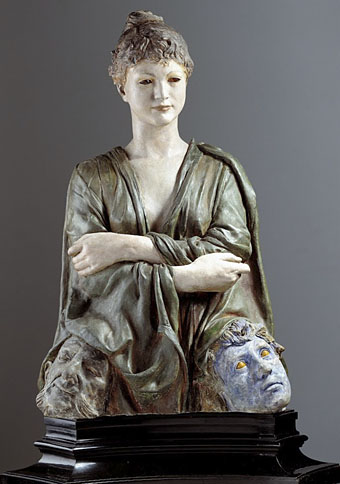
The New Salomé (1887–1888) by Max Klinger.

The German Symbolist Max Klinger (1857–1920) is celebrated today for the etchings which comprise his Ein Handschuh (A Glove) series, ten prints that in their curious details and dream-like quality prefigure Surrealism and Giorgio de Chirico’s “metaphysical” paintings. During his life Klinger was highly regarded for his sculpture as well as his etchings: his Beethoven was a centrepiece of the Secession building in Vienna in 1902. His New Salomé is one of the handful of Klinger works at the Google Art Project where I still feel we ought to be able to view sculpture in the round. I’ve seen many photos of this piece before but hadn’t realised until now that the eyes were…what? Rubies? Amber? Whatever they are, their fiery cast ensures that his imperious female sits unequivocally with the Evil Women that proliferated in the late 19th century.

pla.jpg

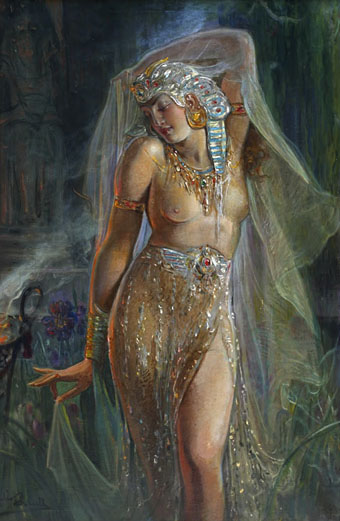
Salomé (c.1910) by Julio Borrell Pla.

Klinger’s sculpture may have been fashionably misogynist but it was at least a serious piece of art. Twenty years later the Salomé theme had devolved to little more than titillating exotica, as with this vaporous painting by Julio Borrell Pla which I hadn’t come across before. The last gasp of this exhausted trend is William Dieterle’s 1953 film in which Rita Hayworth plays Herod’s daughter as all titillation and little else.

Elsewhere on { feuilleton }
The Salomé archive

Odilon Redon’s musical afterlife

redon5.jpg

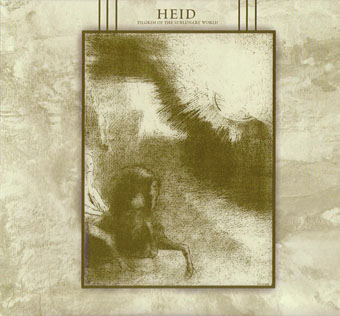
Pilgrim Of The Sublunary World (2002) by Heid.

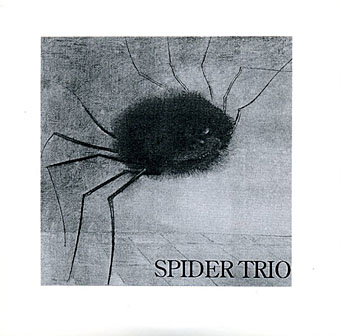
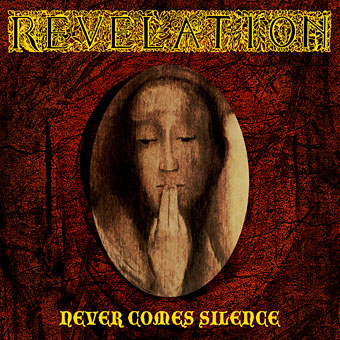
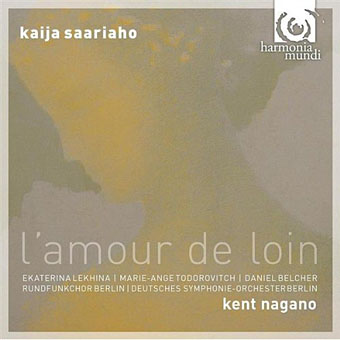
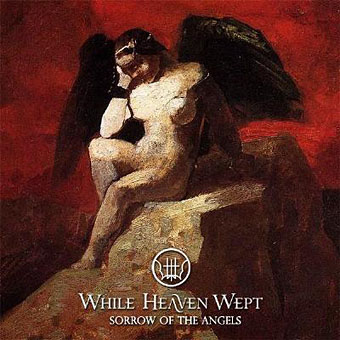
It would have been surprising if Magazine were the only group to have used Odilon Redon’s art for album covers. What is surprising is that these releases are all relatively recent and aren’t the cluster of Goth doodlings I would have expected: descriptions at Discogs list Heid as an industrial outfit, Revelation and While Heaven Wept are doom metal while Spider Trio play jazz. Odilon Redon is unusual in being able to provide artwork strange enough for Magazine or, in the case of his many pastel drawings, pretty enough for classical recordings. I omitted a couple of other CD covers which inset his pictures in dreadful layouts. The Heid album uses more Redon art on the insert pages.

redon4.jpg

Live @ Rendezvous/Jewelbox Theater 8.12.06 (2007) by Spider Trio.

redon1.jpg

Never Comes Silence (2007) by Revelation.

redon3.jpg

L’Amour De Loin (2009) by Kaija Saariaho.

redon2.jpg

Sorrow Of The Angels (2010) by While Heaven Wept.

Elsewhere on { feuilleton }
The album covers archive

Previously on { feuilleton }
Odilon Redon and Magazine
Odilon Redon lithographs
The eyes of Odilon Redon
Aubrey Beardsley’s musical afterlife

Odilon Redon and Magazine

magazine1.jpg

Shot By Both Sides (1978). Design by Malcolm Garrett. Art: La Chimere regarda avec effroi toutes choses (1886) by Odilon Redon.

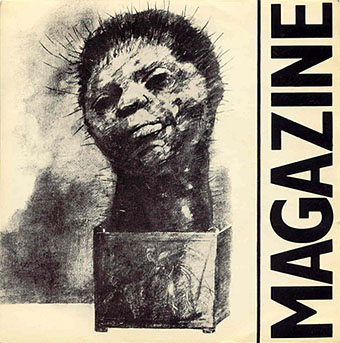
The first two albums by British post-punk band Magazine have been soundtracking the inner landscape here for the past couple of weeks. Looking at some of their cover art on Discogs reminded me that two of their early singles came dressed with drawings by Symbolist artist Odilon Redon (1840–1916) so these covers may well have been the first place I saw any of Redon’s work at all. This was an unusual choice at the time which makes it typical of a group that stood slightly apart from much of the music around them, often being regarded as too proficient and too clever. (Pop music and politics are the only places where incompetence and stupidity are virtues.)
magazine2.jpg

Give Me Everything (1978). Design by Malcolm Garrett? Art:The Cactus Man (1881) by Odilon Redon.

Magazine’s golden era runs from 1978 to 1980 and for me their music and that of fellow Mancunians Joy Division remains inextricably connected to memories of Manchester in the late 1970s, a place I visited sporadically before moving here in 1982. The city then was a lot more grimy and run-down, filled with the disused mills and warehouses of the collapsed cotton industry, blighted by the failed architecture of the 1960s and polluted by endless convoys of orange buses. This photo from 1978 fixes the mephitic ambience, as does some of M. John Harrison‘s fiction from the period, notably his short story Egnaro. Unlike Joy Divison, Magazine haven’t been burdened with an increasingly inflated reputation which makes revisiting their works all the more enjoyable. They pull you back to those gloomy times then take you off elsewhere, into the cajoling and neurotic imagination of that Nosferatu-in-a-leather-jacket, Howard Devoto.
magazine3.jpg

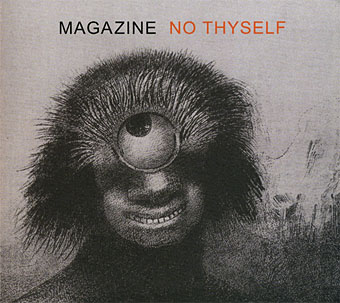
No Thyself (2009). Designer unknown. Art: Le polype difforme flottait sur les rivages, sorte de cyclope souriant et hideux, Les Origines (1883) by Odilon Redon.

The band reformed in 2009 although I’m not convinced the current incarnation is for me, I’m generally sceptical of such moves and the absence of ace guitarist John McGeogh (who died in 2004) and bassist Barry Adamson means it won’t be the same. No Thyself did refer back to their origins, however, literally so in the title of the Odilon Redon picture on the cover, while the Chimera from the first single turned up on a recent tour poster. Howard Devoto talked late last year to The Quietus about the recent album.

Elsewhere on { feuilleton }
The album covers archive

Previously on { feuilleton }
Odilon Redon lithographs
The eyes of Odilon Redon

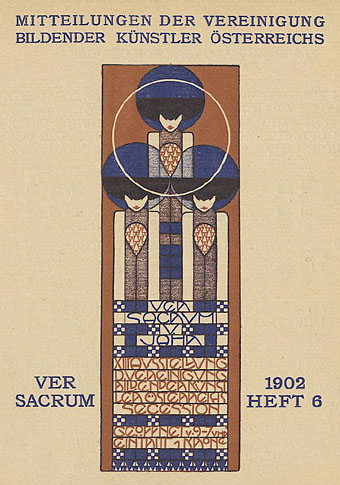
Ver Sacrum, 1902

vs-1902-01.jpg

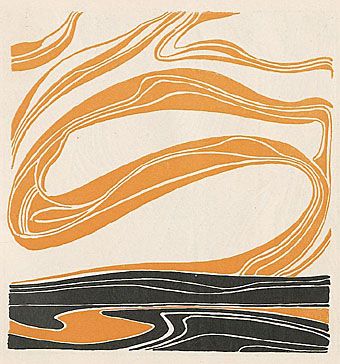
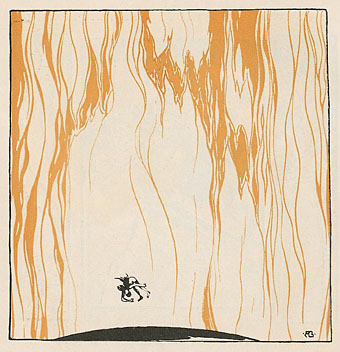
Continuing the series of posts about Ver Sacrum, the art journal of the Viennese Secession. The volume of issues for 1902 maintains the same format as the previous year, beginning with a series of calendar pages then proceeding to showcase art, sculpture and graphics from Austria and elsewhere. The Secession exhibitions in Vienna were a highlight of this year, something explored in greater detail in the pages of Deutsche Kunst und Dekoration. Also in these issues is more Symbolist art, this time from Jan Toorop and Franz Stuck. Among the latter’s drawings and paintings there’s a version of his popular temptress-with-serpent theme here entitled The Vice. (Stuck’s The Sin is the most reproduced of this series.) I hadn’t seen this one before which is surprising seeing as it’s his only (?) horizontal treatment of the theme.

As before, anyone wishing to see more can browse all 412 pages or download the entire volume here.

vs-1902-02.jpg

vs-1902-03.jpg

Continue reading “Ver Sacrum, 1902”

Ver Sacrum, 1901

vs-1901-01.jpg

Continuing the series of posts about Ver Sacrum, the art journal of the Viennese Secession. After a somewhat lacklustre collection for 1900 the journal finds its vitality again, the painters of happy Teutonic peasants having been dropped in favour of more remarkable prints and graphics from Vienna’s finest. The contents for this year parallel some of the works being featured in Deutsche Kunst und Dekoration for the same period. Gustav Klimt is given a great deal of attention, beginning with the calendar piece below. There’s also work from the Symbolist sculptor George Minne and a feature on the Glasgow School artists Charles Rennie Mackintosh and Margaret MacDonald. Throughout the year each issue tends to concentrate on a single artist or exhibition. There’s so much good stuff in this year it’s not possible to present more than a small sample. Those interested are encouraged to browse all 432 pages or download the entire volume here.

vs-1901-02.jpg

vs-1901-03.jpg

Continue reading “Ver Sacrum, 1901”