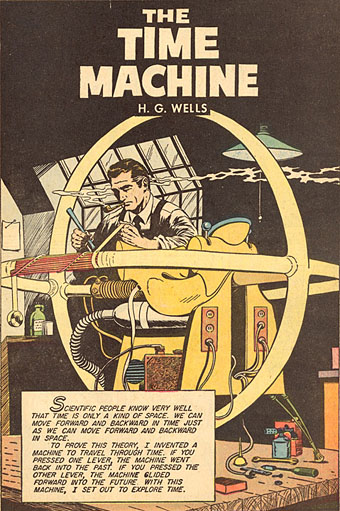
Complete scans of War of the Worlds (1955) and The Time Machine (1956), both adapted by Lou Cameron.
Previously on { feuilleton }
• The night that panicked America
• The Door in the Wall
• War of the Worlds book covers
A journal by artist and designer John Coulthart.

Comics
Complete scans of War of the Worlds (1955) and The Time Machine (1956), both adapted by Lou Cameron.
Previously on { feuilleton }
• The night that panicked America
• The Door in the Wall
• War of the Worlds book covers
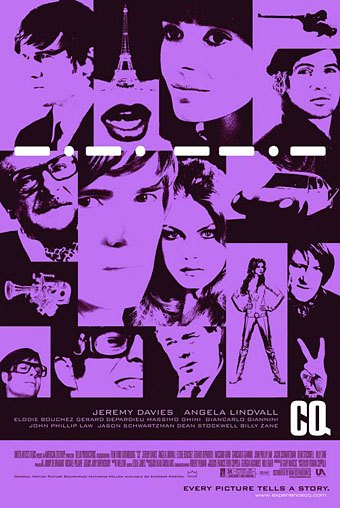
A belated shout of appreciation for this film whose distribution appears to have been so limited that everyone missed it, me included. That’s a shame as Roman Coppola’s debut (he’s the son of Francis) has a lot to commend it although it helps if you’re familiar with pulpy European spy/science fiction/horror movies of the late Sixties and the po-faced works of auteurs such as Jean-Luc Godard and Michelangelo Antonioni. CQ pays loving homage to both styles of filmmaking which probably explains why the studio didn’t know what to do with it.
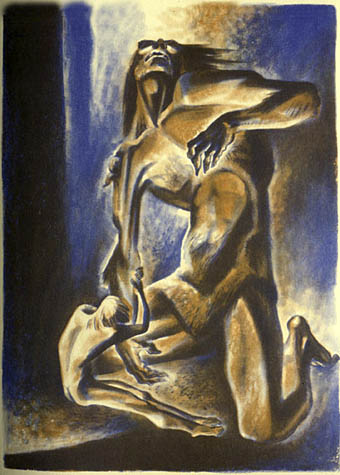
Beowulf wrestles with Grendel, Lynd Ward (1939).
There’s nothing new in pointing out Hollywood’s crimes against literature, the film business has been screwing up book adaptation since the earliest days of silent cinema. But sometimes the wound is so grievous you can’t help but speak out, in this case against Roger Avary’s Beowulf which is released next month. This is another CGI-heavy confection along the lines Polar Express, with the actors being given digital bodies via motion-capture, and it’s something I’d probably have ignored until I saw this picture of Grendel, the story’s principal monster. Beowulf is one of the earliest surviving Anglo-Saxon poems and Grendel, the bloodthirsty creature which Beowulf battles, is one of the ur-fiends of English literature, along with his equally monstrous, lake-dwelling mother and the dragon which fatally wounds the hero. The trio give us a peek back into the dark imagination from a time before recorded history and Grendel especially has always had something raw and primal about its character. So when you see a beast with such a history portrayed as little more than a diseased muppet you wonder what’s going on. Are the creators inept? Ignorant? Were studio restrictions at work? How does an industry with the talent to give splendid life to the trolls and Balrog of Lord of the Rings, or Davy Jones and crew in Pirates of the Caribbean, screw up so badly?
Alan Moore: the wonderful wizard of… Northampton
| Alan in the Telegraph.
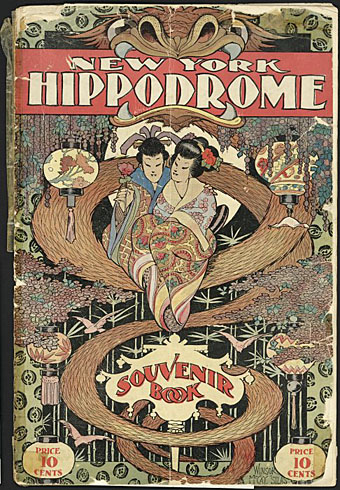
A cover design by the great cartoonist and pioneer animator. Typical of a compulsive fantasist to add a huge dragon head to an otherwise regulation piece of Chinoiserie. No date or any indication as to whether McCay’s work was also featured inside but there’s another design of his for the same establishment here. The latter version could almost be a page from Little Nemo in Slumberland.
• Bud Plant’s Winsor McCay page
Elsewhere on { feuilleton }
• The illustrators archive