Weekend links 148

lanna.jpg

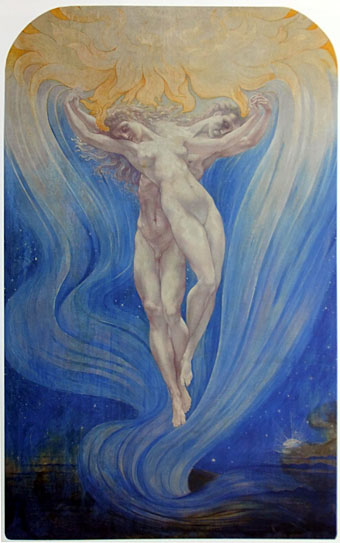
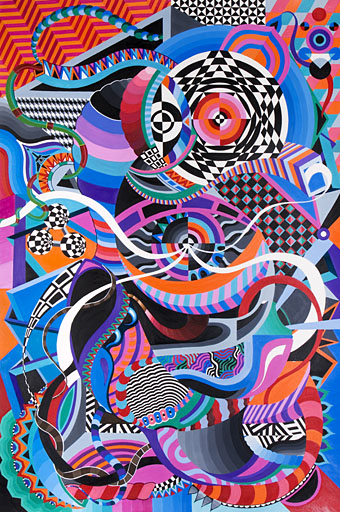
Quantum Entanglement by Duda Lanna.

An hour-long electronica mix (with the Düül rocking out at the end) by Chris Carter for Ninja Tune’s Solid Steel Radio Show.

• “…a clothes-optional Rosicrucian jamboree.”: Strange Flowers on the paintings of Elisàr von Kupffer.

• A Paste review of volume 2 of The Graphic Canon has some favourable words for my contribution.

It is an entertaining thought to remember that Orlando, all sex-change, cross-dressing and transgressive desire, appeared in the same year as Radclyffe Hall’s sapphic romance The Well of Loneliness. The two novels are different solar systems. The Well is gloomy, beaten, defensive, where women who love women have only suffering and misunderstanding in their lonely lives. The theme is as depressing as the writing, which is terrible. Orlando is a joyful and passionate declaration of love as life, regardless of gender. The Well was banned and declared obscene. Orlando became a bestseller.

Jeanette Winterson on Virginia Woolf’s androgynous fantasia.

Jim Jupp discovers the mystical novels of Charles Williams.

Michael Andre-Driussi on The Politics of Roadside Picnic.

Les Softs Machines: 25 August 1968, Ce Soir On Danse.

• At 50 Watts: Illustrations and comics by Pierre Ferrero.

Soviet posters: 1469 examples at Flickr.

Oliver Sacks on drugs (again).

• At Pinterest: Altered States.

• Farewell, Kevin Ayers.

Darkest London

Why Are We Sleeping? (1969) by The Soft Machine | Lady Rachel (1969) by Kevin Ayers | Decadence (1973) by Kevin Ayers
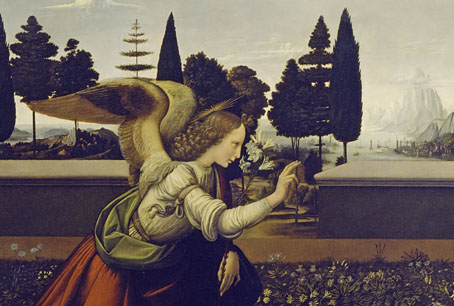
Fabulous harbours

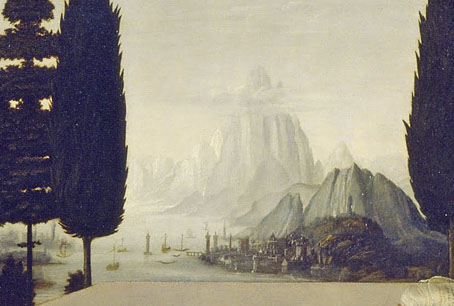
leonardo1.jpg

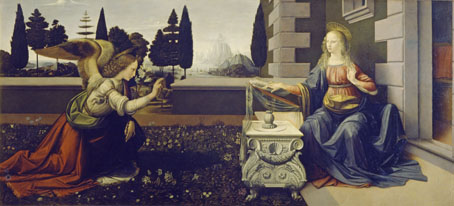
The Annunciation (c. 1472).

One pleasure of seeing paintings in an art gallery is the ability to scrutinise details. I like to be able to see that, yes, Picasso did indeed use a single stroke of the brush beginning here and ending here. Backgrounds are a recurrent source of interest if you’ve ever tried any kind of pictorial painting yourself. I always have a greater sense of the artist’s presence in the background details since that’s the area of a picture which few viewers will pay any attention to. In the foreground the artist is always aware of the viewer’s gaze; in the background the artist has a sense of being left alone. It’s there that the mind is most liable to wander when you’re at work.

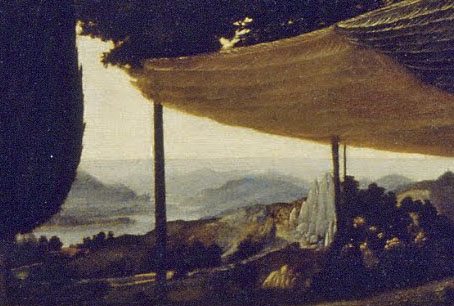
leonardo2.jpg

The trouble with very famous paintings is that they’re almost always preserved from this kind of close scrutiny either because they’re too popular—so you have a few seconds to stand there before having to make room for others—or they’re being monitored by gallery staff who don’t want you getting too close, or—as in the case of Leonardo da Vinci’s few paintings—they’re imprisoned behind sheets of glass. Few art books outside the weighty monographs ever show you actual brushstrokes or give you a close view of the background details, so once again it’s thanks to the Google Art Project that we can examine two of Leonardo’s paintings in a manner that wouldn’t be allowed unless you were an art historian.

leonardo3.jpg

The Annunciation originated in Andrea del Verrocchio’s studio where Leonardo was apprenticed. Leonardo is believed to have painted the angel—which certainly looks like his work—and the background which includes a fantastic harbour and, in the vaporous distance, some colossal mountain peaks. I’ve always liked this painting for the composition and sense of stillness, those trees standing outside the garden like vertical plumes of smoke. We’re told that a later hand extended the angel’s wings which I can easily believe since their termination clashes with the disposition of the trees; you’d never do that deliberately when everything else in the picture is so carefully arranged.

leonardo4.jpg

Continue reading “Fabulous harbours”

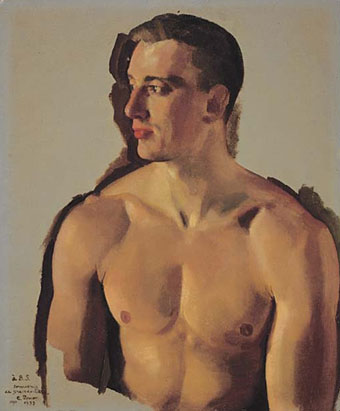
The art of Konstantin Somov, 1869–1939

somov01.jpg

Naked Young Man (1937).

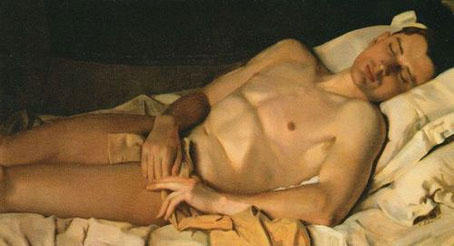
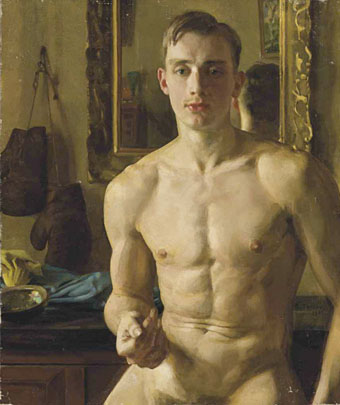
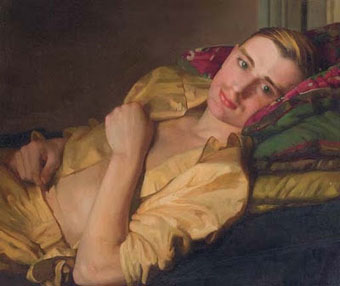
The work of Russian painter Konstantin Somov has a decent presence on the web, albeit separated into his public works which comprised portraits, landscapes and illustrations, and his more private, homoerotic studies of voluptuous Russian men. The former can be seen at WikiPaintings or The Atheneum where there’s a recurrent theme of rococo fantasy similar to that being explored by Rex Whistler in Britain between the wars. (Whistler’s work was recently featured at Little Augury.) It is, of course, the other side of Somov’s work that concerns us here. This gives me an opportunity to put titles and dates to some of the paintings circulating on gay art sites with no details at all.

Somov was friends with Sergei Diaghilev, and provided illustrations and designs for Diaghilev’s Mir Iskusstva arts magazine. This year is the centenary of the first performance of The Rite of Spring so expect to hear more about the great Sergei and company in the coming months.

somov02.jpg

The Boxer (1933).

somov03.jpg

Portrait of A Man (1933).

somov04.jpg

A Reclining Man (1936).

Continue reading “The art of Konstantin Somov, 1869–1939”

Jean Delville album covers

delville12.jpg

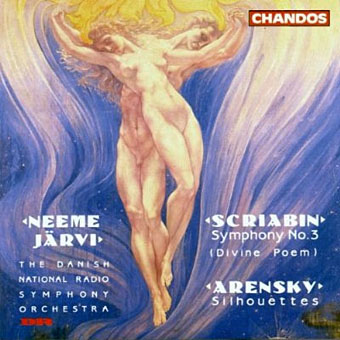
Scriabin: Symphony no 3; Arensky: Silhouettes (1992) by Neeme Järvi.

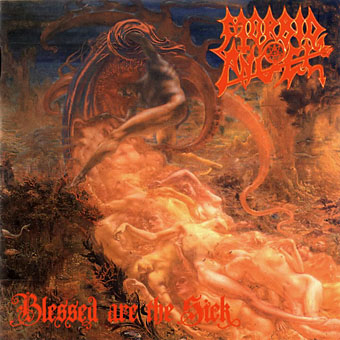
The Delville painting from yesterday’s post seems popular with classical recordings, this is only one example of its use, chosen here because some of the music is Scriabin for whom Delville created a sheet music illustration in 1912. Delville’s other work is understandably popular in the metal world among whose adherents there’s now a kind of tradition for using interesting paintings as album art. Examples of some of these follow.

delville3.jpg

The Treasures of Satan (1895).

Morbid Angel beat everyone to Delville’s masterwork. I wrote something about using the same painting on a book cover design here.

delville4.jpg

Blessed Are The Sick (1991) by Morbid Angel.

parsifal.jpg

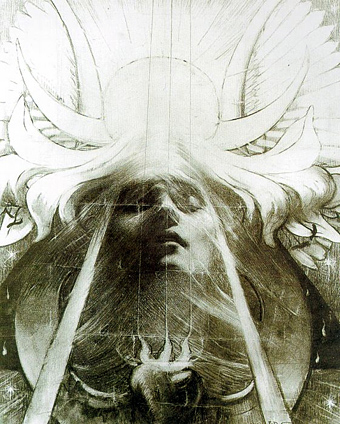
Parsifal (1890).

Another very popular Delville image, that face was used by Stanley Mouse in a poster design in 1991, and even crept into my adaptation of The Call of Cthulhu.

delville6.jpg

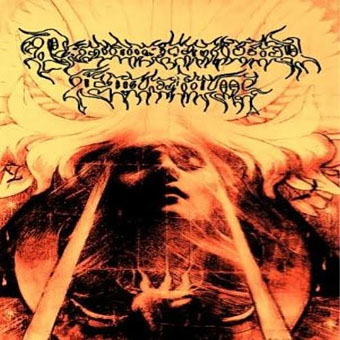
Into The Flames (2004) by Pseudostratified Epithelium.

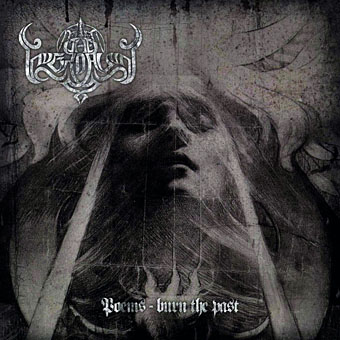
Pseudostratified Epithelium are a death metal band from Costa Rica. A shame they stretched Delville’s drawing; The Everdawn make a better fist of it.

delville7.jpg

Poems – Burn The Past (2012) by The Everdawn.

Continue reading “Jean Delville album covers”

L’amour des âmes

delville1.jpg

L’amour des âmes (1900) by Jean Delville.

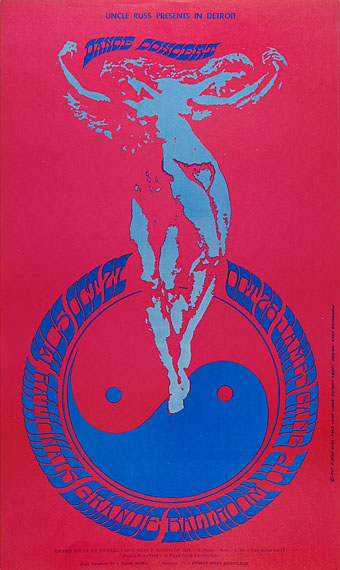
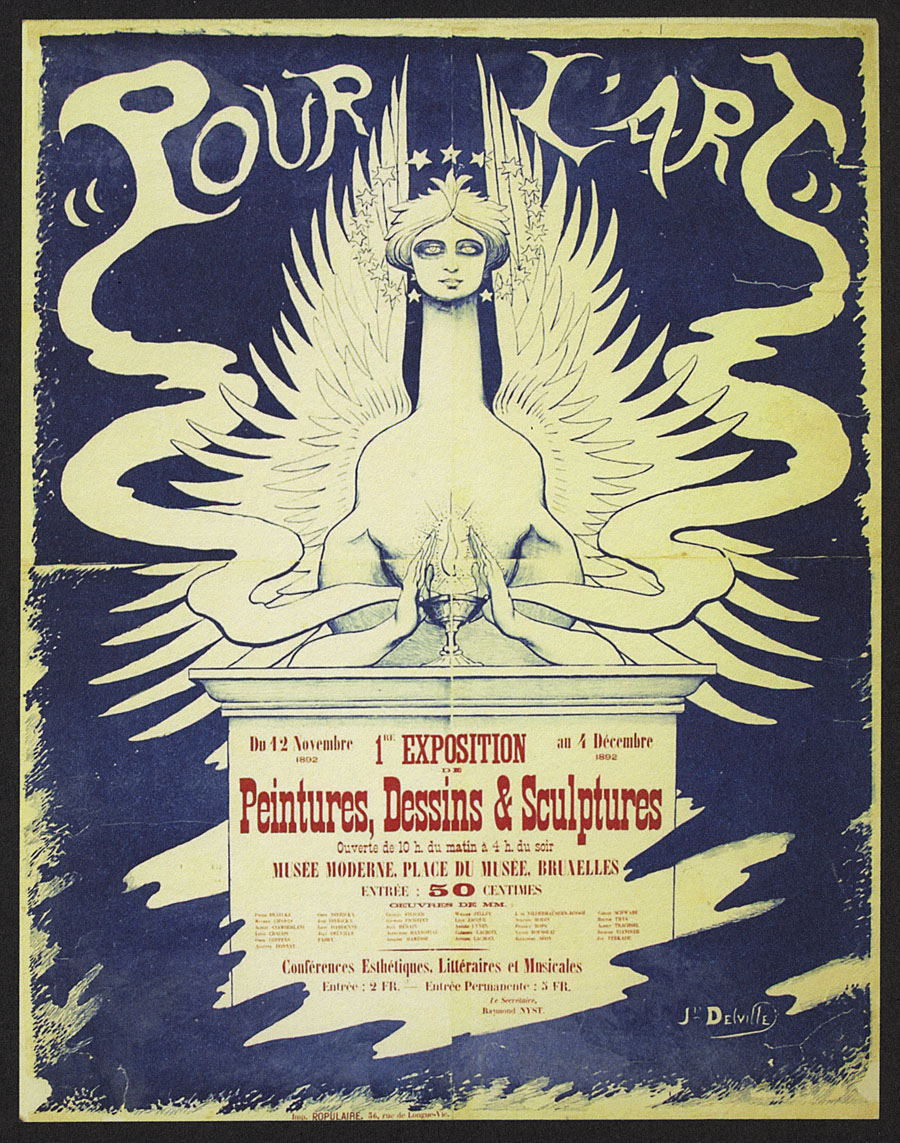
Another of the many connections between the Symbolism and psychedelic poster art, the mystically-inclined Jean Delville (1867–1953) may at least have approved of the addition of a yin-yang symbol to his painting of drifting souls. I was originally going to post Delville’s Pour L’art poster design since I’ve not seen a copy on the web as good as the one below which is scanned from a book. (The principal Delville site has many of his works but in variable quality.) Delville’s pair of floating lovers happen coincidentally to suit the preoccupations of February 14th.

grimshaw.jpg

MC5 at the Grande Ballroom, Detroit (1967) by Gary Grimshaw.

Pour L’art was a Belgian circle of artists formed in Brussels in 1892 to stage exhibitions promoting their work. Delville was the most notable of the group as well as being one of its prime movers. Looking on the Delville website it’s good to see there’s a major study of the artist’s life and work in progress, with publication scheduled for later this year. Too many artists from the late 19th century have been neglected for far too long but attitudes are slowly changing. Anyone interested in Jean Delville is advised to also look at this site which is dedicated to that apostle of androgyny, Joséphin Péladan. One of the strangest characters in the Symbolist menagerie (and the competition for that label is fierce), Péladan’s occult theories inspired Delville and a number of other artists in Belgium and France. It’s good to see he’s also gaining some serious study at last.

delville2.jpg

Pour L’art (1892) by Jean Delville.

Previously on { feuilleton }
Philippe Jullian, connoisseur of the exotic
Delville, Scriabin and Prometheus
The faces of Parsifal
Masonic fonts and the designer’s dark materials
Angels 4: Fallen angels