The Fantastic Fiction of Hannes Bok

bok1.jpg

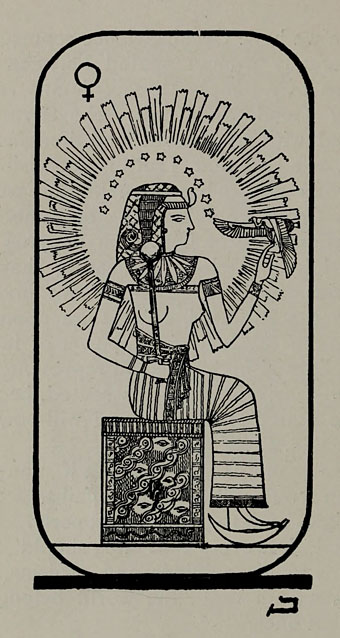
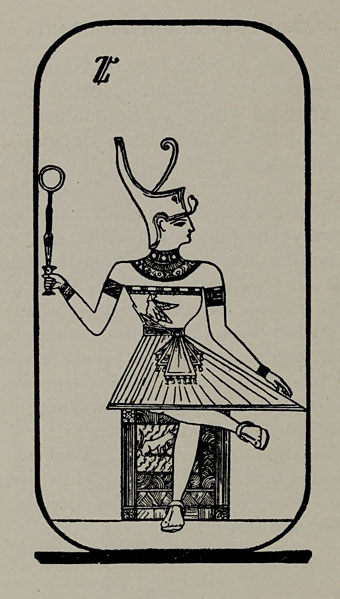
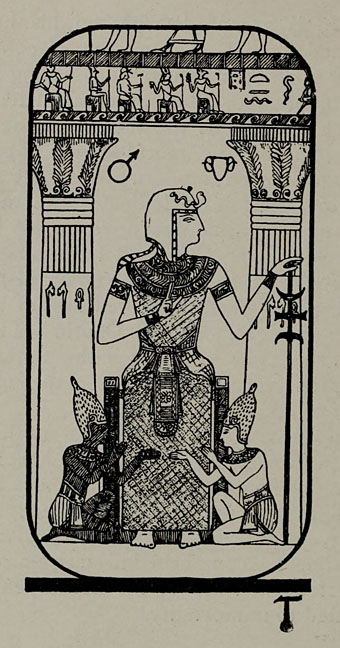
A belated note of thanks to Robert T. Garcia who sent me a PDF of this book a few weeks ago. The Fantastic Fiction of Hannes Bok is a hardcover collection of three fantasy novels by artist Hannes Bok, all of which have been out of print for decades (75 years in the case of Starstone World). Bok has a lasting reputation as an illustrator of fantasy, science fiction and horror during the pulp era but he also wrote fiction and poetry for the pulps, in addition to essays for Mystic Magazine that included a short-lived astrology column. Two of Bok’s novels were published posthumously by Lin Carter in the Ballantine Adult Fantasy series, the existence of which intrigued me for many years, not least because the Ballantine paperbacks weren’t easy to find in UK bookshops. Bok’s fantasy isn’t quite to my taste (I prefer things to be generally darker and more grotesque) but I’m pleased to see these stories back in the world.

bok2.jpg

Contents:
The Fantastic Fiction of Hannes Bok‘s cover art is by Bok (published previously in Hannes Bok: A Life in Illustration in a poor image, scanned here for the first time from the original).
• Original Introduction by Charles de Lint!
• Ballantine Adult Fantasy editor Lin Carter’s introductions to The Sorcerer’s Ship and Beyond the Golden Stair, plus an all-new afterword detailing the publishing history of The Sorcerer’s Ship by Bok collector and college professor William Lorenzo. Publisher, Bob Garcia provided an introduction to Starstone World.
• A number of unpublished photos of Bok.
• Bok’s pulp art for The Sorcerer’s Ship is included, plus two paintings specified by the artist as illustrating that novel: a color reprise of an interior illustration and a color portrait of the creature Yanuk done for a fan.
• Since the other two novels did not have artwork by the artist, Jim Pitts provides us a wonderful original frontispiece for each.
• Bok sketches from The Hannes Bok Sketchbook Folio, and A Hannes Bok Sketchbook plus unpublished sketches.

bok3.jpg

Previously on { feuilleton }
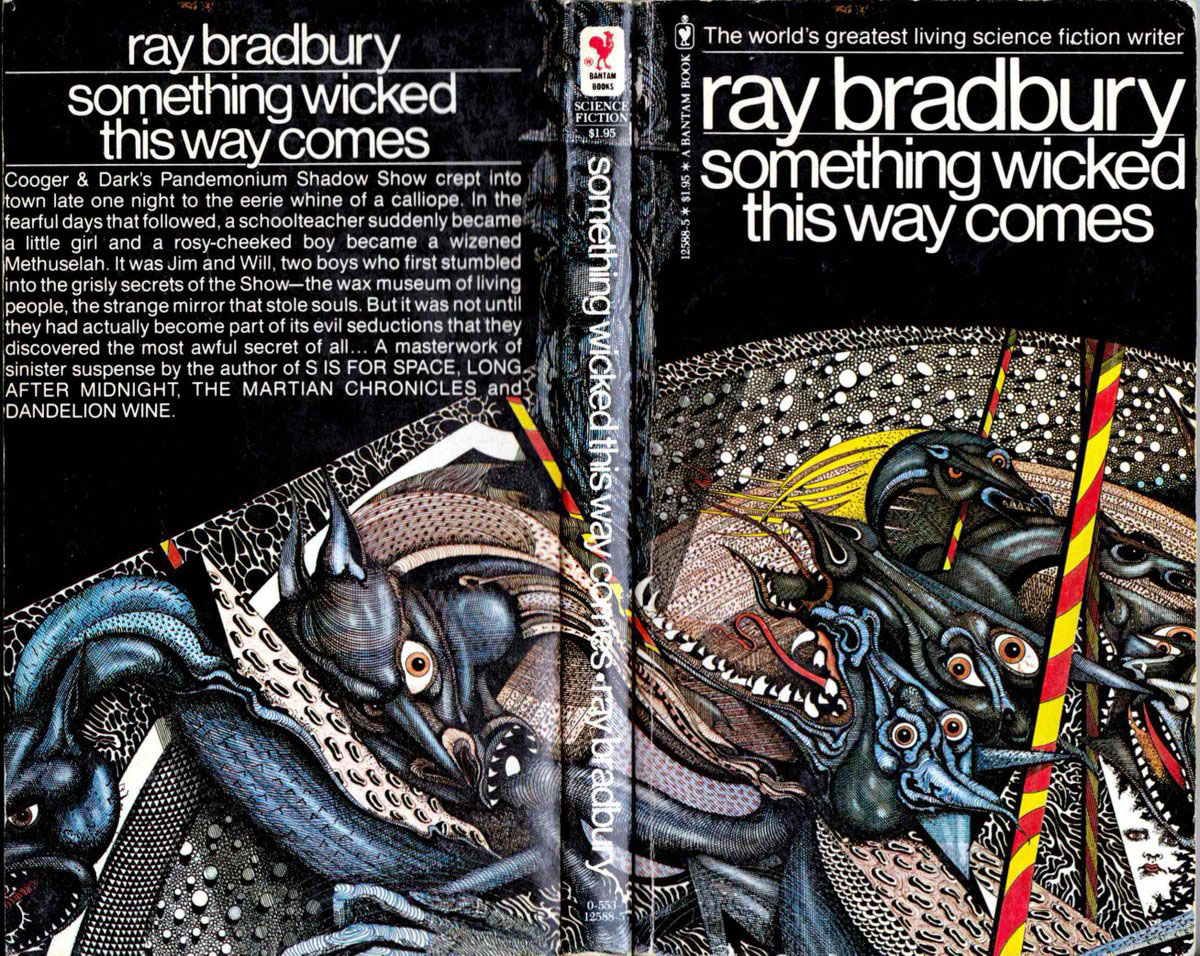
Ballantine Adult Fantasy covers

Zemania

zeman01.jpg

Invention for Destruction (1958).

In addition to Jean Kerchbron’s Golem my weekend viewing involved a fresh immersion in the semi-animated fantasies of Karel Zeman, one of which, Invention for Destruction, I’d not seen for many years. It hadn’t occurred to me before how closely Zeman’s technique on these films matches some of my own recent illustration when it applies original drawn elements to settings constructed from old engravings. For Zeman, combining actors with animated models and pictorial backgrounds was an economical way of bringing to life the worlds of Jules Verne, Rudolf Erich Raspe and others while retaining the feel of the original book illustrations. These films are also closer to the Max Ernst school of engraved collage than they may at first seem. The mansion at the beginning of Invention for Destruction could easily have been an illustration of a single building but Zeman offers a hybrid construction with unrealistically conflicting perspectives; later on we see a desert cavalry of camels on roller skates. It’s no surprise that Jan Švankmajer admires Zeman’s films. And having recently watched all the Švankmajers it’s good to know there are several Zeman features still to see.

zeman02.jpg

zeman03.jpg

zeman04.jpg

zeman05.jpg

zeman06.jpg

Continue reading “Zemania”

Le Golem, 1967

golem01.jpg

There are always more Golems…

Le Golem is a 110-minute film based on Gustav Meyrink’s novel which hasn’t received as much attention as you’d expect considering the dearth of Meyrink adaptations. The production was for French TV so its obscurity may be a result of unavailability as much as anything else, television being a medium notorious for burying its own history. The DVD I was watching is an official release from INA with no subtitles (merci!), but English subs may be found online.

golem02.jpg

Meyrink’s novel isn’t an obvious choice for film or television adaptation despite the popularity of the Golem theme. His story is an uneven blend of mysticism and melodrama related via many digressions and rambling conversations. The title and the Prague setting suggest Paul Wegener’s Der Golem (1920), with the ghetto monster dominating the proceedings, but Meyrink’s Golem remains in the shadows (if it exists at all), being more of a symbol for the mystical and psychological challenges that beset Athanasius Pernath, the novel’s protagonist. Given all this I’m curious to know who decided to adapt the story when there’s so much about the film that would confuse an audience who hadn’t read the novel. The opening scenes move rapidly from a stylised city of the 1960s to the Prague ghetto of the past while omitting the attempts of Meyrink’s narrator to make sense of his situation. A note on the DVD states that the film was broadcast at 8:30pm on the national channel, ORTF, which makes its peculiarities even more surprising.

golem03.jpg

The director, Jean Kerchbron, spent much of his career filming adaptations of classic plays and stories for French television, ranging from adventure serials to Molière and Shakespeare. Writer Louis Pauwels was co-editor with Jacques Bergier of the popular Planète magazine, a journal of fantasy, science fiction and scientific speculation, but had little experience in the film world; Le Golem was his first feature for which he supplied the dialogue and adapted the story with Kerchbron. Pauwels and Bergier are names familiar to Anglophone readers of Fortean literature for The Morning of the Magicians (1960), their discursive treatise on “Fantastic Realism” whose success launched Planète and later gave David Bowie some ideas for lyrics. The pair refer to Meyrink in their book as a “neglected genius” prior to running an extract from one of the author’s later novels, The Green Face. Pauwels and Kerchbron manage to condense the work of the neglected genius without doing too much harm to his story, compressing some sections (a request for an explanation in a later scene is wisely rejected as “too complicated”) while omitting the overly mystical episodes that might have posed problems for a limited budget. Pauwels moves what’s left of the mysticism to Pernath’s philosophical voiceovers. Kerchbron’s direction is lively and much more elliptical than is usual for the plodding television medium. Novel and film only depart near the end when various plot threads are hastily tied together.

Continue reading “Le Golem, 1967”

Ennio Morricone, 1995

em1.jpg

David Thompson made this 40-minute Ennio Morricone documentary for the BBC in 1995. I taped it at the time but haven’t watched it since so it was good to find again. The highlight is the lengthy interview with the man himself but there are also contributions from Christopher Frayling, Brian de Palma, Bernardo Bertolucci, Gillo Pontecorvo and others.

em2.jpg