Weekend links 582

dore.jpg

Illustration by Gustave Doré from L’Espagne (1874) by Jean Charles Davillier.

• Warp Records has announced the forthcoming publication of Atmospherics by Jon Hassell, a short book collecting the diary extracts, composition notes and other ephemera that Jon compiled as an evolving appendix for his website. I was involved with the first iteration of the Atmospherics when we were working on his site in 2004, and for me this section was always the most interesting part of the project, comprising unique, personal material. The book will be published in October.

• “Almost everything in his book would be dismissed by today’s streaming behemoths as ‘too quirky, too local, too slow, too dry, too difficult, too weird’.” Sukhdev Sandhu reviewing The Magic Box, a history of British TV from the 1950s to the 1980s by Rob Young.

• New music: Cobalt Desert Oasis by Marco Shuttle, Angel’s Flight (AD 93) by Biosphere, and The Shildam Hall Tapes: The Falling Reverse by Stephen Prince, a sequel to an earlier release by A Year In The Country which includes an accompanying novella.

• Mix of the week, month and year: Sentimental Ornament: A Broadcast Rarities Mix by Aquarium Drunkard. First posted almost a year ago, I only discovered it last week; Aquarium Drunkard is now added to my RSS feed to avoid further neglect.

• I didn’t post anything for Bloomsday this year but if I’d seen these caricatures by Craig Morriss back in June I would have linked to them at the time.

• At Unquiet Things: The Eerie Moods and Pulpy Frights of Henri Lievens.

• Whole lotta rarities: the strangest Led Zeppelin artwork.

• Old music: A Willow Swept By Train by Janet Beat.

Instant Lettering Database

Atmospheres (1967) by Wimple Winch | Atmospheric Lightness (2018) by Brian Eno | Ligeti: Atmosphères (2019) by Orchestre Philharmonique de Radio France; Alan Gilbert
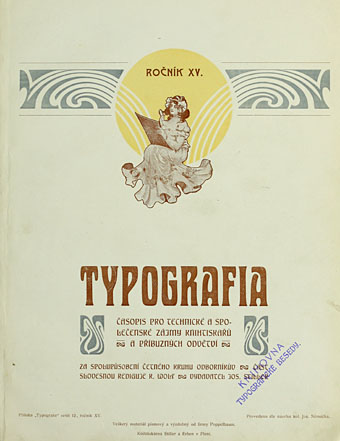
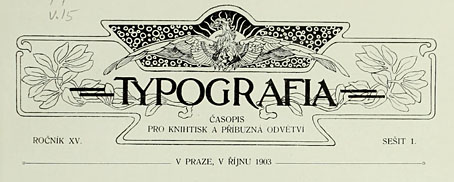
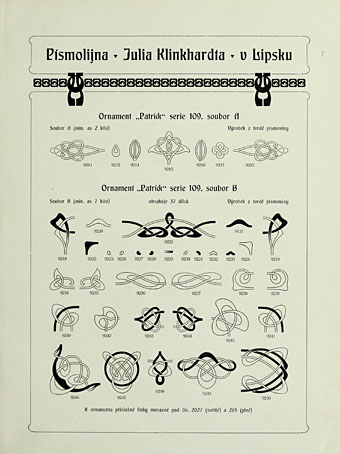
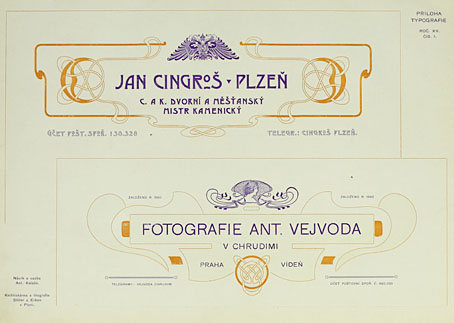
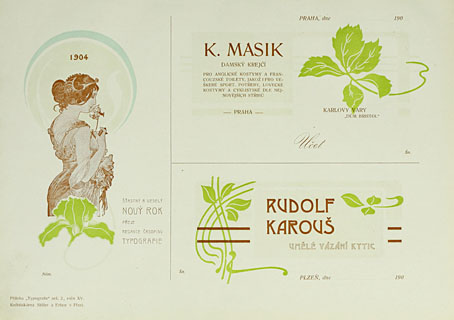
Typografia, 1903–04

typografia01.jpg

The Internet Archive has a few bound volumes of this Czech print journal in its collection, although not a complete run, unfortunately. The most interesting one for me is Volume 15 which covers the years 1903 to 1904, a period in which the Art Nouveau style predominates. Prague is often listed as a centre of Art Nouveau but good examples of this aren’t always easy to find. Typografia does at least demonstrate that all the familiar elements—sinuous borders, floral motifs, stylised female figures—had found their way into Czech design even if many of the typefaces being showcased had their origins in Germany.

typografia02.jpg

typografia03.jpg

typografia04.jpg

typografia05.jpg

Continue reading “Typografia, 1903–04”

Gene Szafran album covers

szafran01.jpg

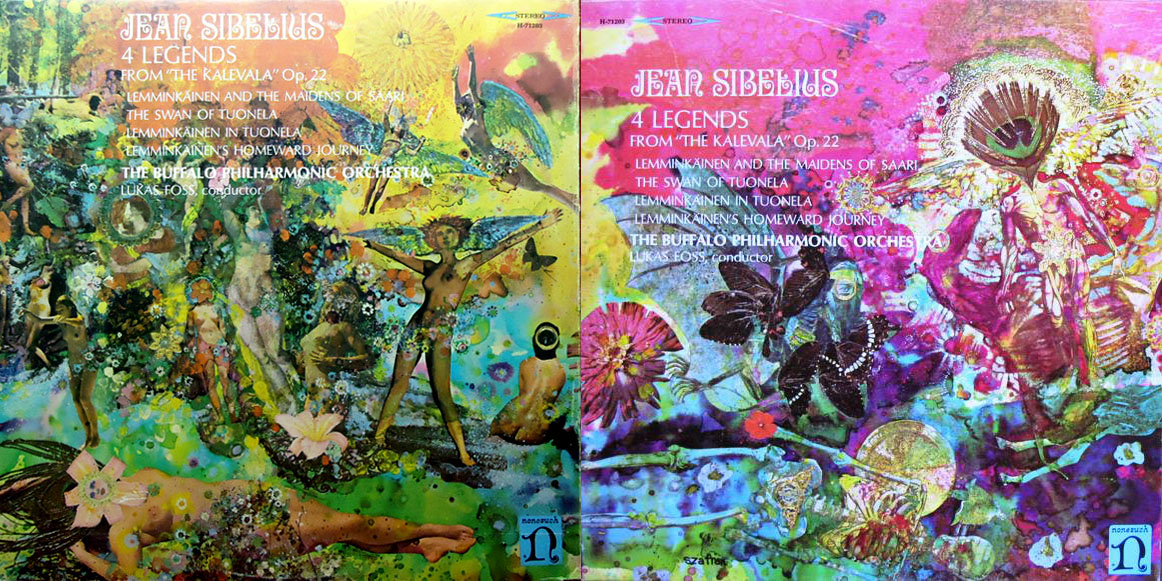
Sibelius: 4 Legends From “The Kalevala”, Op. 22 (1968); Buffalo Philharmonic Orchestra, Lukas Foss.

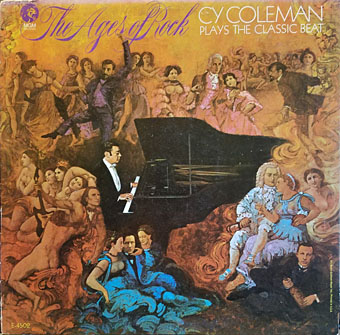
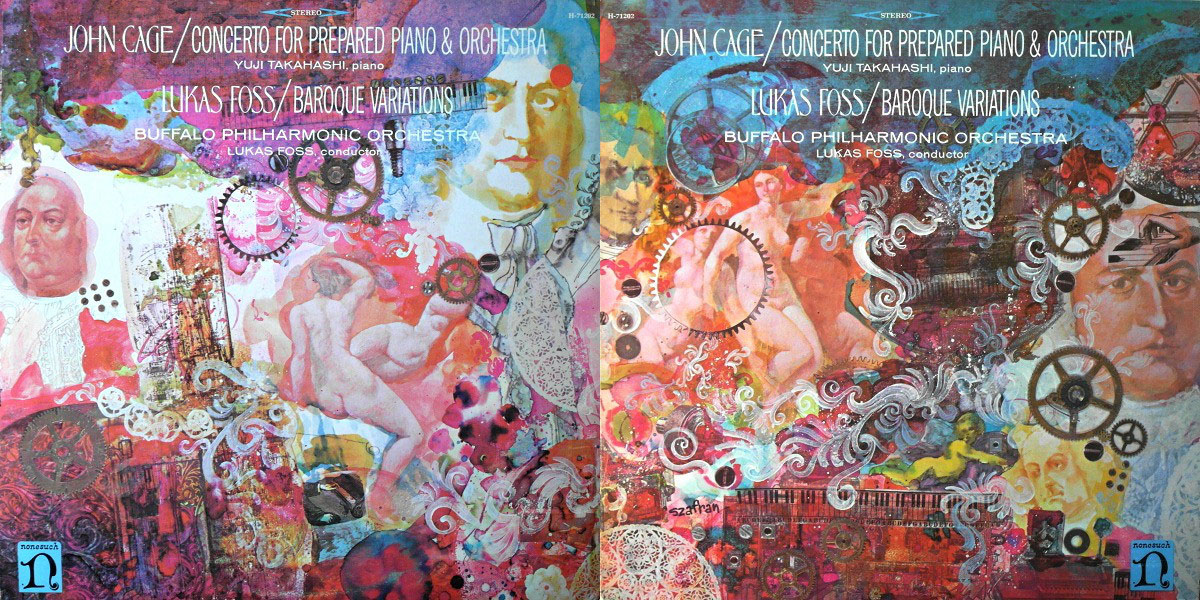
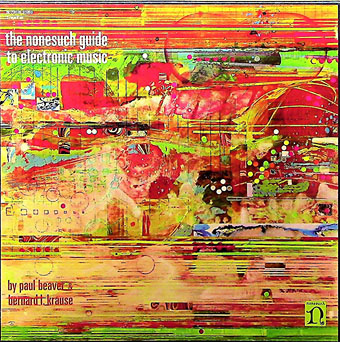
Gene Szafran (1941–2011) was an American artist who painted illustrations for magazines and provided cover art for many science-fiction paperbacks throughout the 1970s. He shared with fellow paperback artist Bob Pepper a parallel career producing album cover art for Elektra Records and Elektra’s subsidiary for classical recordings and contemporary composition, Nonesuch, the latter contributing to William S. Harvey’s policy of making classical albums look as vibrant and contemporary as their neighbours in the rock sphere. Bob Pepper’s album covers, however, tend to resemble his book covers whereas Szafran’s book covers are simpler in style than his album art which fills out the larger space in a post-psychedelic style that’s often very detailed and done in a variety of media. It took me a while to realise that I’d known Szafran’s name for a long time via his cover for Pictures At An Exhibition by Tomita, the art for which isn’t a painting but a relief sculpture of the head of Tomita-san. A similar use of three-dimensional elements occurs on other album covers, and extends to a form of collage in which painted backgrounds are overlaid with physical objects, a technique which became a common sight in the 1980s but which wasn’t common at all in the 1960s. There might have been more work like this but Szafran’s career was cut short by multiple sclerosis in the late 1970s. Glimmer Graphics has several pages dedicated to his life and art.

szafran02.jpg

The Ages Of Rock (1968) by Cy Coleman.

szafran03.jpg

John Cage: Concerto For Prepared Piano & Orchestra / Lukas Foss: Baroque Variations (1968).

szafran04.jpg

The Nonesuch Guide To Electronic Music (1968) by Paul Beaver & Bernard L. Krause.

szafran05.jpg

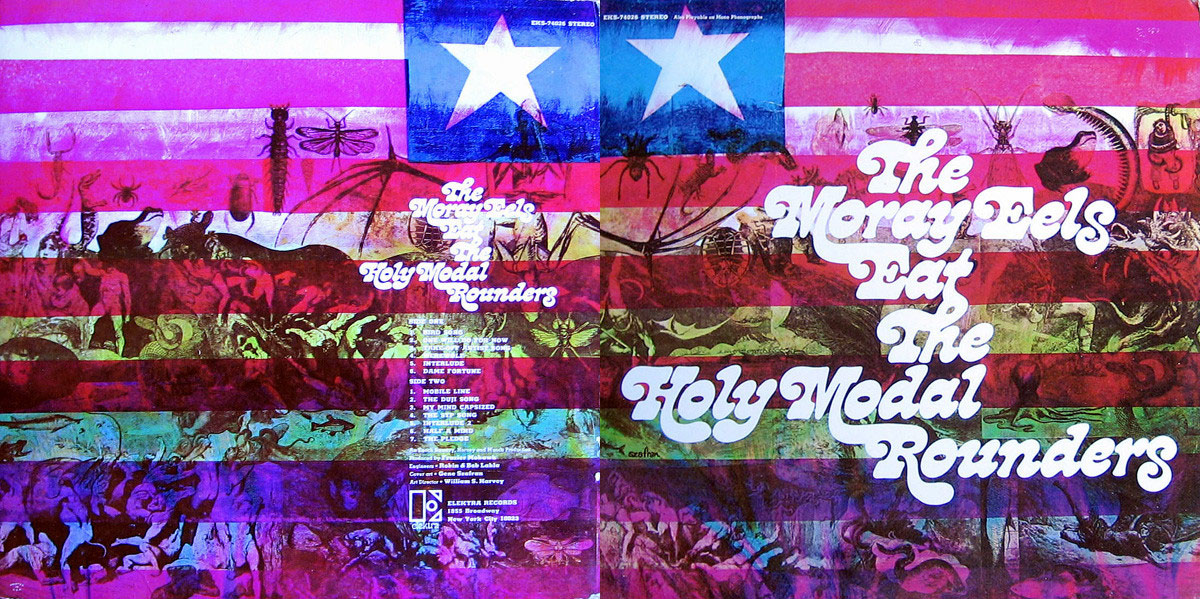
The Moray Eels Eat The Holy Modal Rounders (1968) by The Holy Modal Rounders.

Continue reading “Gene Szafran album covers”

Weekend links 581

oz33.jpg

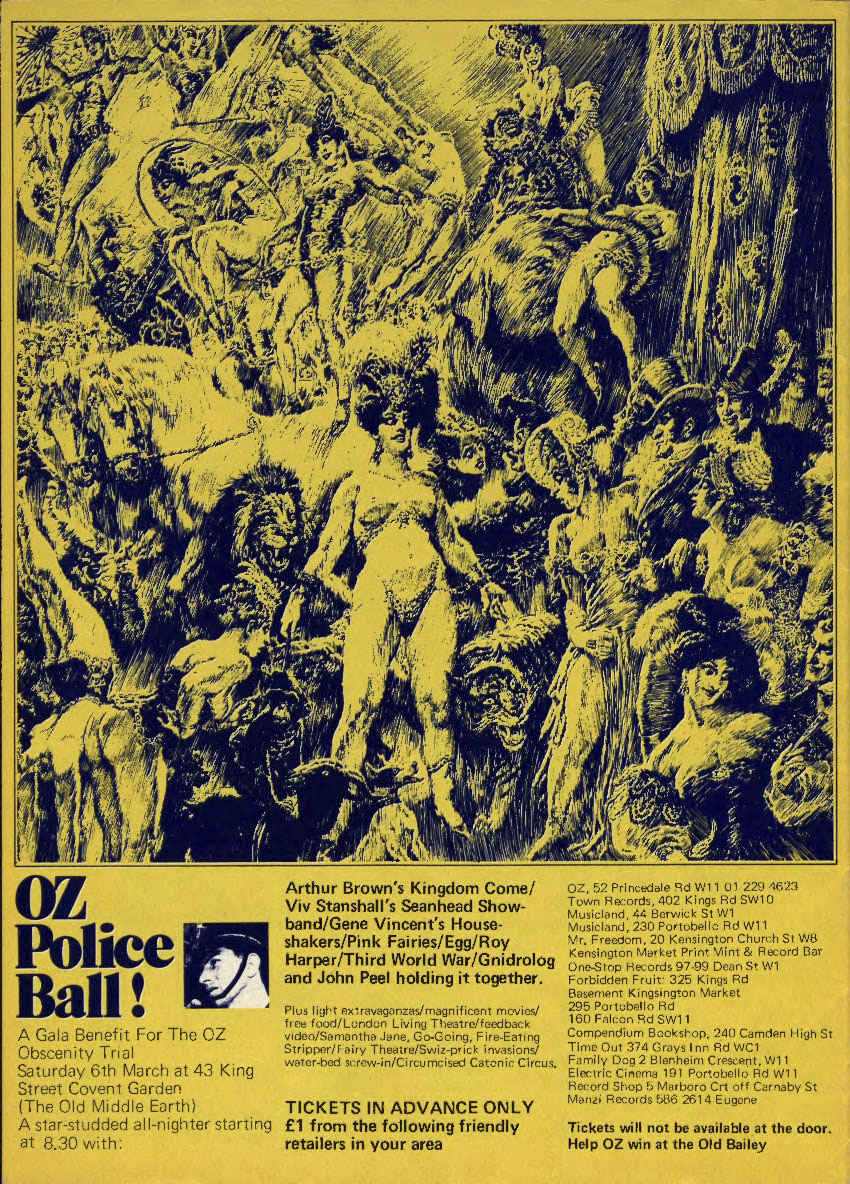
The back cover of Oz 33, February 1971. Art by Norman Lindsay.

Walker Mimms looks back 50 years to the trial of the editors/publishers of Oz magazine, in which the trio were accused of “conspiracy to corrupt public morals” following the appearance of Oz 28, the “Schoolkids Issue”, in May 1970. Elsewhere: corrupt your own morals by reading the offending issue; then see Hugh Grant in a hippie wig in The Trials of Oz, a BBC dramatisation of the courtroom drama; after which you can watch the real editors—Richard Neville, Jim Anderson and Felix Dennis—discuss the whole affair with other interested parties 20 years on (and also see Germaine Greer shame Jonathan Dimbleby into saying the word “cunt” on live TV).

• New music: Caves – A Compilation Of Silences by Other People (“This collection of silences and music can be used as timers for cooking, meditation, running, walking, sleeping or anything you want”), and Vaganten by ToiToiToi, the next release on the Ghost Box label.

Chris Carter‘s favourite albums. I think I own more of the albums listed here (including the ABBA) than any other entry in this long-running series. Which isn’t really surprising…

What I would say about that in general is what I’ve written in the new introduction to Teenage, which is that the 60s youth culture that we’ve been talking about, the progressive, critical side of it came as a complete surprise to adults. And once they identified what was going on, they were incredibly hostile, and authorities were incredibly hostile to it. And from the Thatcher government in the 80s you have a series of measures, a series of laws, a series of attitudes, a series of structures put in place to make sure that that never happens again. So youth itself has been deliberately depoliticised and also had a lot of the opportunities for any kind of autonomy taken away from it. That is, it has been a deliberate government policy right the way through, including Blair, and definitely with the current lot.

Echoes of the Oz debate in this discussion between Jon Savage and Owen Hatherley

• At Perfect Sound Forever: RIP Jon Hassell: honouring a one-of-kind musician/composer.

• At Spoon & Tamago: Edward Luper’s 36 Views of the BT Tower (after Hokusai).

• At Unquiet Things: Doorways into Awareness: An interview with Century Guild.

• Mix of the week: The Ivy-Strangled Path Vol. XXIV by David Colohan.

• Ghost notes: Michio Kurihara‘s favourite guitar solos.

• “Future space travel might require mushrooms.”

• At Dennis Cooper’s: Alexander Hammid Day.

Wyrd Daze Lvl.4 FIVE STAR is live.

Like A Tear (1968) by The World Of Oz | Return To Oz (2004) by Scissor Sisters | Il Pavone Di Oz (Praslesh Remix) (2014) by Verrina & Ventura