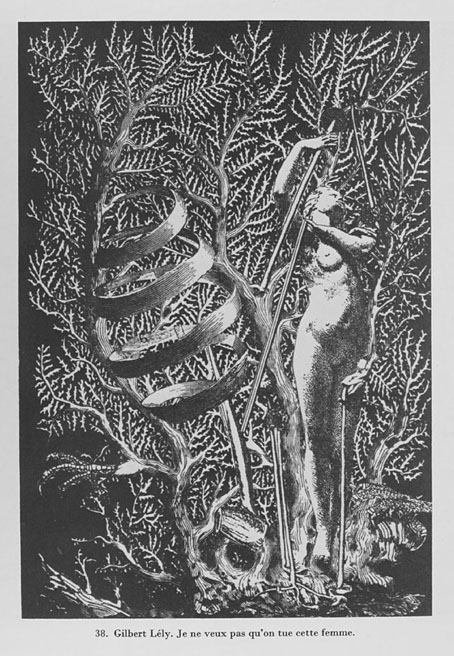
Weekend links 725

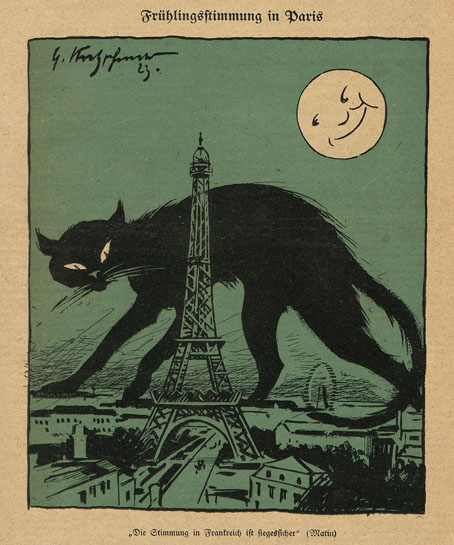
Springtime in Paris (1923) by Georg Kretzschmar.

• I’ve been asked to mention that the tribute book put together for Alan Moore’s 70th birthday, Alan Moore: Portraits of an Extraordinary Gentleman, is still available. As before, the book features contributions from many well-known comic artists, a foreword by Iain Sinclair, and this piece of my own.

• “I never posted any lecture of mine on Tumblr, even though Tumblr would seem to have plenty of elbow-room for hour-long, learned, European public lectures (with many lecture slides).” Utopian Realism, a speech by Bruce Sterling.

• Reading the Signs: John Kenny in conversation with Mark Valentine about Mark’s new collection Lost Estates.

There remains something suspect about blotter, a stain that is both a blessing and a curse. As the blotter producer Matthew Rick, who started selling sheets as non-dipped ‘art’ collectables at festivals in 1998, puts it: ‘[B]lotter is the last underground art form that’s going to stay underground, simply because you’re creating something that looks like and functions like a felony.’ In other words, blotter is ontologically illicit; it is, as Rick says, ‘drug paraphernalia by its very existence’.

Erik Davis (again) on LSD and the cultural history of the printed blotter

• At Colossal: Uncanny phenomena derail domestic bliss in Marisa Adesman’s luminous paintings.

• Standing stones, urban hellscapes and male nudes: Andrew Pulver on Derek Jarman’s Super-8 films.

• “ [breaking news] An anomaly on earth has brought the cats to over 150 meters. Please be patient.”

• At We Are The Mutants: Alien Renaissance: An interview with illustrator Bob Fowke.

• At Dennis Cooper’s: Spotlight on…René Crevel My Body and I (1926).

• At Public Domain Review: The Little Journal of Rejects (1896).

• Steven Heller’s font of the month is Sandhouse.

• RIP Steve Albini.

Sandoz In The Rain (1970) by Amon Düül II | Bon Voyage Au LSD (2001) by Acid Mothers Temple & The Melting Paraiso U.F.O. | Careful With That Sheet Of Acid, Eugene (2019) by Jenzeits

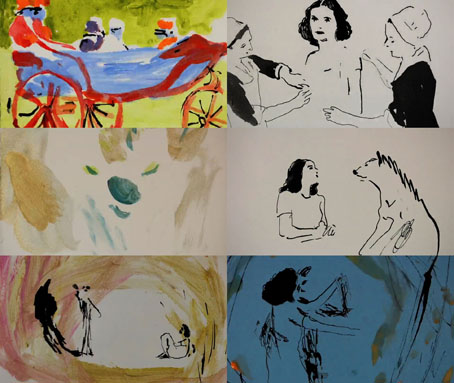
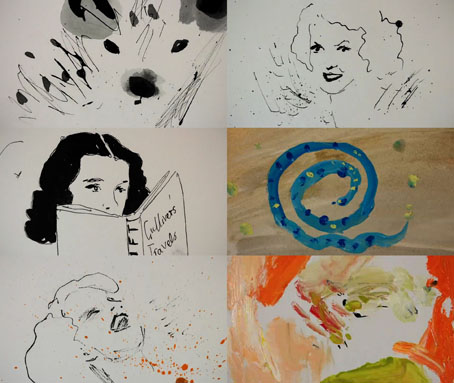
The Debutante, a film by Elizabeth Hobbs

debutante1.jpg

The Debutante is an 8-minute animated adaptation of a short story by Leonora Carrington, a tale of bestial havoc wreaked by a hyena on an aristocratic dinner-dance. This wish-fulfilling fantasy, which Carrington wrote in the 1930s, is one of the author’s more popular pieces of fiction. The story has been anthologised many times, notably by Angela Carter in 1986 who included it in Wayward Girls & Wicked Women: An Anthology of Stories. Elizabeth Hobbs illustrates the piece with hand-painted rotoscoping, a technique which many people will associate with the Lucy In The Sky With Diamonds sequence in Yellow Submarine although this is by no means the earliest or only example of the form. It’s a useful process for stories which require the blending of the fantastic with the mundane.

debutante2.jpg

Another hyena encountering the English aristocracy may be found in Esmé by Saki, the first story in his essential Chronicles of Clovis collection. Saki shared Leonora Carrington’s anarchic impulses when presented with ennervating upper-class rituals. Enough of his stories feature wild animals and eruptions of chaos in country houses that I wonder whether there was any Saki influence upon The Debutante. I’d guess not—Leonora Carrington possessed more than enough wayward imagination of her own—but whatever the answer, Saki remained fascinated (or appalled) by the aristocracy and their absurdities, while Leonora followed her debutante heroine to a welcome exile from their world.

Previously on { feuilleton }
Leonora Carrington’s Surrealist survival kit
Leonora Carrington and the House of Fear

Weekend links 724

ravilious.jpg

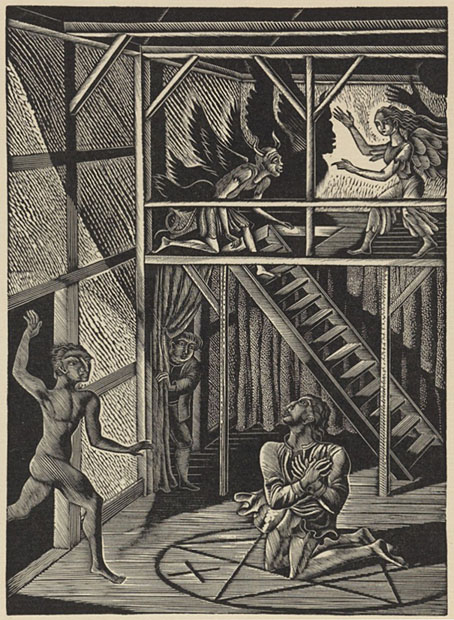
Dr Faustus Conjuring Mephistopheles (1928) by Eric Ravilious.

• Materialising in July from a cloud of sulphurous smoke: The Devil Rides In – Spellbinding Satanic Magick & The Rockult 1967–1974. Cherry Red Records, home of the well-sourced, well-researched multi-disc compilation, might have been channelling my inner desires with this one, a Sabbath-esque soundtrack to the Occult Revival. I ordered it faster than you can say “Hail Satan!”

A Series of Headaches: Shakespeare’s First Folio meets the London Review of Books. “In this film, letterpress printer Nick Hand pulls apart the whole process, from making ink from crushed oak galls to heaving the levers of a replica Jacobean press, and shows how we produced our own (almost) authentic version of the LRB circa 1623.”

• Alan Moore will be subject to greater attention than usual in October. In addition to the forthcoming Moon and Serpent Bumper Book of Magic, the month will also see the publication of The Great When, the first novel in his Long London series. Bloomsbury now has cover art to go with their description of the novel.

Mad Dogs & Englishmen: Faust On Virgin Records: An extract from Neu Klang: The Definitive Story of Krautrock by Cristoph Dallach, “the first comprehensive oral history of the diverse and radical movement in German music during the late 60s and 1970s.”

• Alien life is no joke: Adam Frank on combating “the giggle factor” in the search for extraterrestrial life.

• At Colossal: Lauren Fensterstock’s Cosmic Mosaics Map Out the Unknown in Crystal and Gems.

• New music: Ritual (evocation) by Jon Hopkins; Time Is Glass by Six Organs Of Admittance.

• At Unquiet Things: The Gentle, Jubilant Visual Poetry of Tino Rodriguez.

• At Retro-Forteana: Colin Wilson, Philosopher of the Paranormal.

• DJ Food on Jeff Keen’s Amazing Rayday Comic collages.

At Dennis Cooper’s: Alan Clarke Day.

Krautrock (1973) by Faust | Krautrock (1973) by Conrad Schnitzler | The Kraut (2007) by Stars Of The Lid

Max Ernst, estampes et livres illustrés

ernst01.jpg

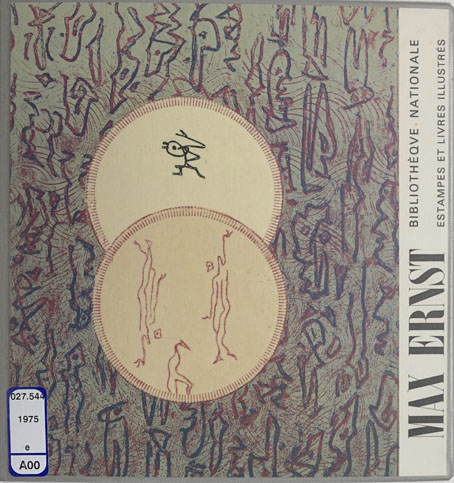
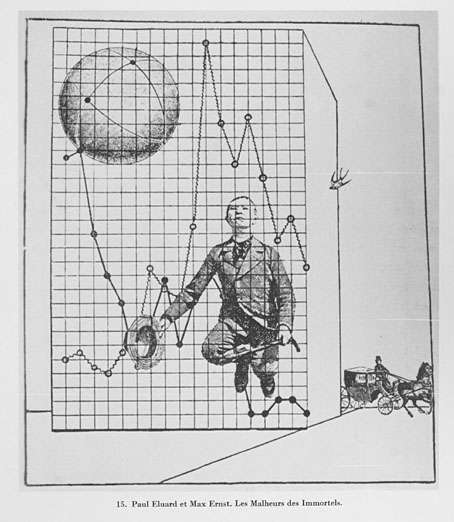
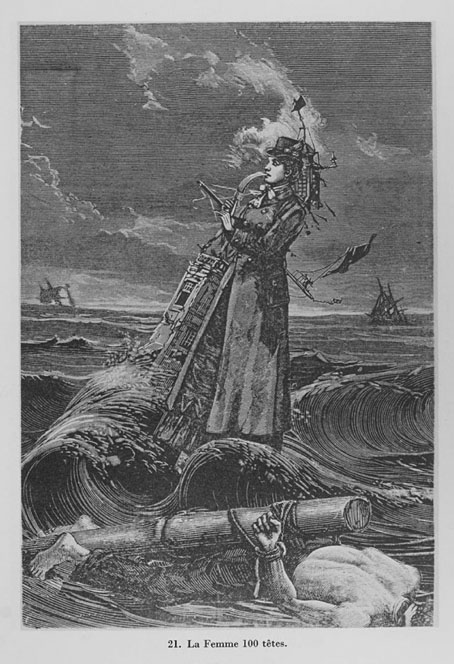
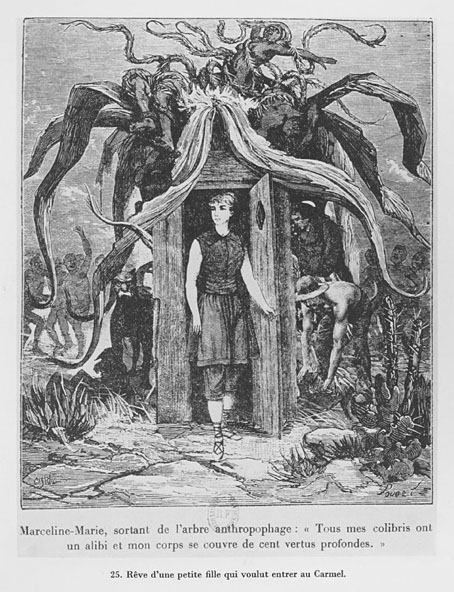
And speaking of Max Ernst… These are pages from a catalogue for a exhibition of Ernst’s prints and book illustrations held at the Bibliothèque Nationale in Paris in 1975. Ernst was such a versatile and prolific artist that any collection can only show a small sample of the available work which here ranges from Dadaist collages and Surrealist frottages, to pages from his three collage novels plus later works like Wunderhorn which featured illustrations based on the writings of Lewis Carroll. Some of the captions erroneously assign collages from Une semaine de bonté to La femme 100 têtes, not the kind of thing you expect from a national library. Several of the images towards the end are from Maximiliana or the Illegal Practice of Astronomy, an art-book that Ernst created in 1964 which features the curious hieroglyphic figures that proliferate in his drawings and paintings from this period. Peter Schamoni made a short film about the project which may be viewed here.

ernst02.jpg

ernst03.jpg

ernst04.jpg

ernst05.jpg

Continue reading “Max Ernst, estampes et livres illustrés”

Monaco on Resnais

monaco.jpg

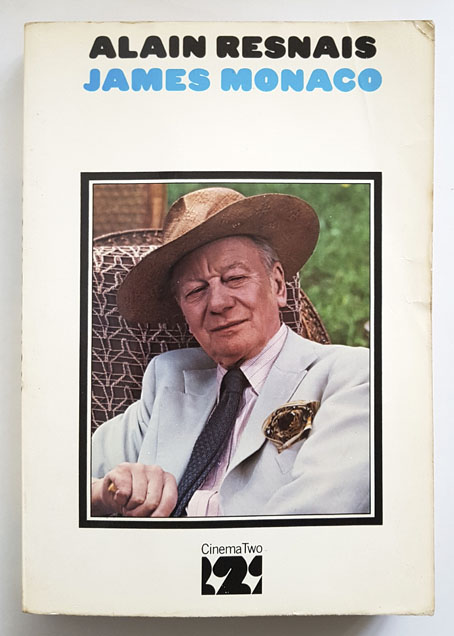
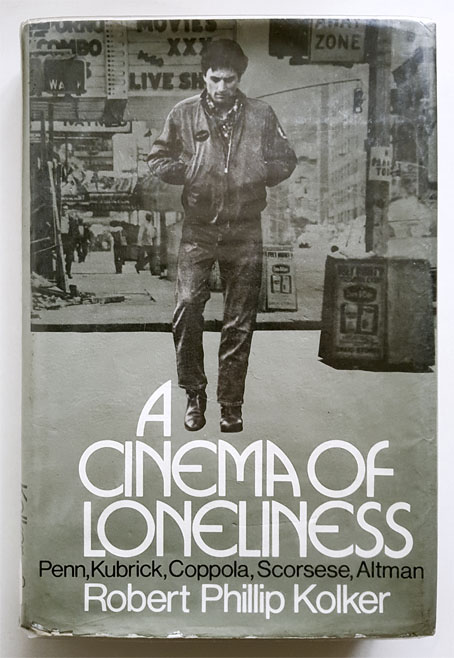
After watching Providence again I yielded to further temptation and ordered a copy of the book that first introduced me to the film itself and to the Resnais oeuvre as a whole. I’d been itching for some time to re-read James Monaco’s study to see if it was as good as I remembered. In many ways it’s a lot better, especially now that I’ve been able to see most of the films he examines. Alain Resnais was published in 1978 which means it only covers the first third of the director’s filmography, but all of these films were mysterious and intriguing to me in 1983, a period when I was busy looking for items of interest on the art and film shelves at Manchester’s Central Library. The other key discovery in the film section was A Cinema of Loneliness by Robert P. Kolker, the book that introduced me to Martin Scorsese’s films at a time when most of them were difficult to see. Kolker also deepened my interest in Robert Altman and Arthur Penn, while replacing my flagging interest in science-fiction cinema with a new curiosity about film noir.
kolker.jpg

An essential text, and a better book about American cinema in the 1960s/70s than the gossip-filled pages of Easy Riders, Raging Bulls.

The science-fiction interest may have been flagging by this point but it was actually a book about the genre that alerted me to Alain Resnais in the first place, as I noted here. Je t’aime, Je t’aime is the Resnais film that involves a time-travel experiment but descriptions of the mysteries and formal elegance of Last Year at Marienbad were of greater interest, even more so when I found a copy of Alain Robbe-Grillet’s screenplay. The films themselves, however, remained frustratingly out of reach. One of the things I really don’t miss about the 1980s is being able to read about films such as these, or others like El Topo (or Taxi Driver, or Night Moves, or Performance…), while wondering when I’d ever get to see them.

Monaco’s book provides an overview of the first few decades of Resnais’s career, from his early start in the 1940s (two lost Surrealist experiments are mentioned), to the documentaries of the 1950s, ending with Providence in 1977. Much of the detail originates from conversations with Resnais himself, and while Monaco doesn’t avoid interpretative speculation he’s never tiresomely academic. One of the more valuable chapters concerns some of the films that Resnais was trying to make in the 1970s. (And one of the minor revelations is reading about a director with his reputation struggling to get his projects financed.) The only detail I remembered about the unmade films was his plans to direct a script he commissioned from Stan Lee. That’s Smilin’ Stan Lee of Marvel Comics fame, inventor of all those vapid superheroes. Stan Lee working with Alain Resnais sounds like some kind of sarcastic postmodern joke but Monaco says that The Monster Maker would have been “a grand and exuberant compendium of all the cliches of the B movie which have thrilled and enthralled audiences for fifty years: science fiction, sentimental romance, horror, revenge, and cataclysm…” We’ll never know what this may have been like, and maybe that’s for the best. Monaco refers to the director’s lifelong love of comics—one of the Resnais films of the 1980s, I Want to Go Home, was about a comic artist—but I still find the Stan Lee project a step too far, especially when there were so many great comic artists and writers working in France in the 1970s. Resnais wasn’t unaware of these; in my post about Je t’aime, Je t’aime I noted the presence of a Druillet drawing on the wall of Claude’s apartment. More promising than The Monster Maker was a script about the Marquis de Sade written with Grove Press boss Richard Seaver, and a tenuous plan to make a film about HP Lovecraft with William Friedkin producing. This apparently fell through when Friedkin left to direct The Exorcist but the interest in Lovecraft further reinforces the Lovecraftian suggestions in Providence, something that Monaco says were explored in a review by Richard Corliss for New Times magazine. I’ve not been able to find this online, unfortunately.

All of which reminds me that I’ve still not seen Resnais’s first feature, Hiroshima Mon Amour, nor any of the post-Providence films with the exception of Smoking/No Smoking which I saw on TV years ago and didn’t enjoy very much. The latter is an odd thing for Brits to watch, being based on an Alan Ayckbourn play which means it concerns a cast of typical middle-class English types (with names like “Celia Teasdal”) except that here they’re all played by French actors speaking their native language. This makes for distracting viewing but I now feel ashamed for not having given it more of a chance. It’s one more film to go looking for in the future.

Previously on { feuilleton }
Providence on DVD
Art on film: Je t’aime, Je t’aime
Art on film: Providence
Marienbad hauntings
Les Statues Meurent Aussi, a film by Chris Marker and Alain Resnais
Toute la mémoire du monde, a film by Alain Resnais