Suspiria details

suspiria01.jpg

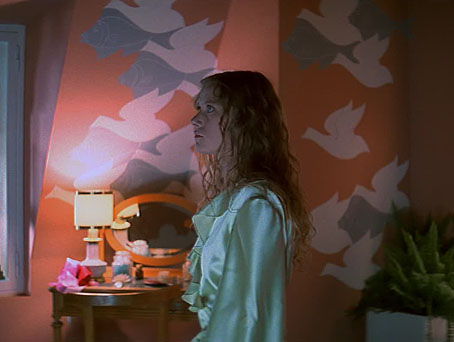
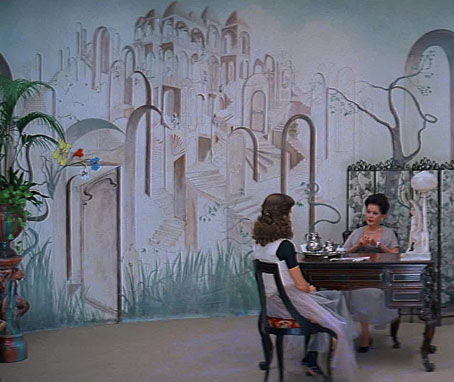
Wall decor based on MC Escher’s Study of Regular Division of the Plane with Fish and Birds (1938).

A few screen grabs from the weekend’s viewing of a German Blu-ray disc of Suspiria (1977). My old DVD didn’t look too bad but this is one film where high-definition is required to do justice to the vivid lighting and to Giuseppe Bassan’s marvellous production design. The Art Nouveau splendour of the cursed ballet school contains some notable art references but elsewhere there’s the Escher decoration on the walls of the apartment at the beginning, not the kind of decor you expect to find in a horror film. All these images are details cropped from widescreen frames.
suspiria02.jpg

Suzy (Jessica Harper) and Madame Blanc (Joan Bennett) in the madame’s office. The mural always fascinated me for being a strange confection of Escher motifs, all winding staircases and architecture borrowed from Belvedere (1958).
suspiria03.jpg

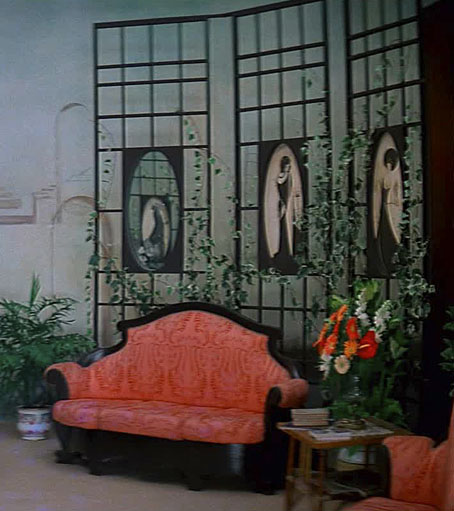
The far right of the same shot showing some of the Beardsley figures that fill the panels of Madame Blanc’s screens.
Continue reading “Suspiria details”

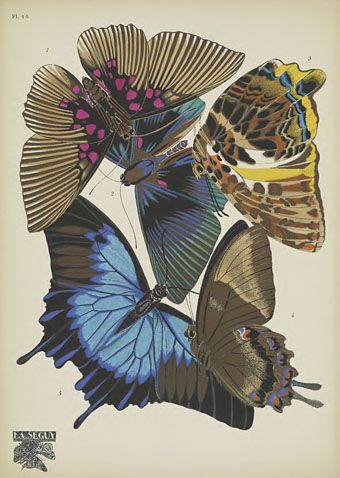
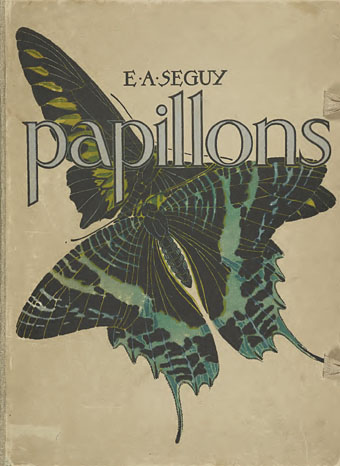
Papillons by EA Séguy

seguy01.jpg

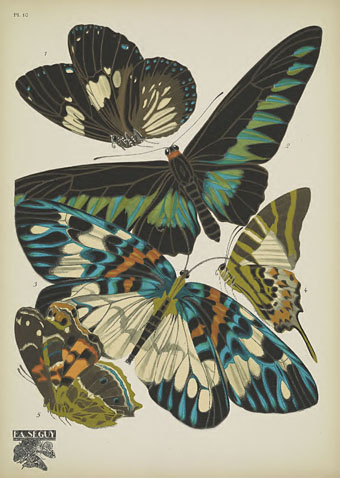
I’d seen a couple of these plates before—BibliOdyssey has a post about Séguy’s insect art—but not the book as a whole. In addition to the butterfly portraits there are also a number of suggestions for textile designs based on butterfly wings. Papillons was published in 1925. Five years later Séguy produced a collection of Art Deco designs, Prismes, which was highlighted a while ago, and which is now also available at the Internet Archive. The Prismes plates tend to abstraction but nonetheless feature some stylised natural elements, butterflies included.

seguy02.jpg

seguy03.jpg

Continue reading “Papillons by EA Séguy”

Urbatecture

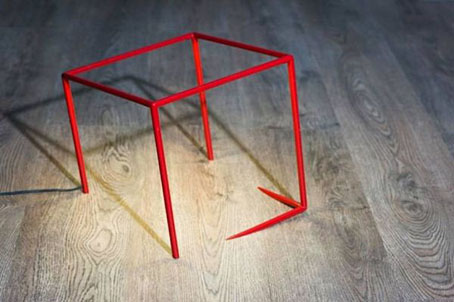
urbicande1.jpg

Spotted at Neatorama this week, Cédric Dequidt‘s Urbicande lamp, a cubic design which appears to be sinking into the table. The Neatorama people don’t seem aware that the name of the lamp refers to Fever in Urbicande (1985), a comic book by François Schuiten and Benoît Peeters, and the second volume in the masterful Cités Obscures series.

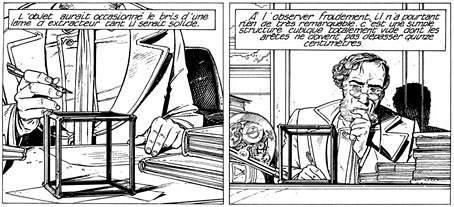
urbicande1.jpg

Fever in Urbicand: Urbatect Eugen Robick ponders the properties of the strange cube which is invulnerable yet able to grow through solid materials.

The mysterious para-dimensional cube and its effects on the divided city of Urbicande have been described here already. Fever in Urbicande is my favourite of the core stories by Schuiten and Peeters, and it seems to be one of the more popular of Schuiten’s creations to judge by the lamp and some of the spin-off works that follow.

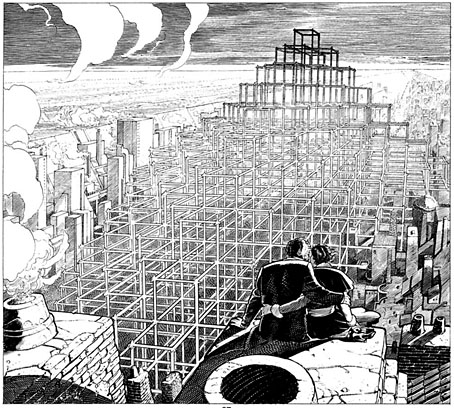
urbicande4.jpg

Fever in Urbicand: Several months later, and the cube has burgeoned into a city-spanning “Network”.

Continue reading “Urbatecture”

Bruegel’s sins

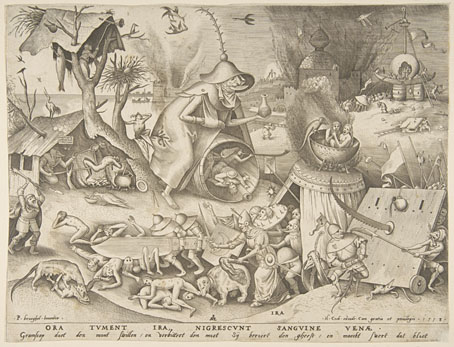
heyden01.jpg

Anger (Ira).

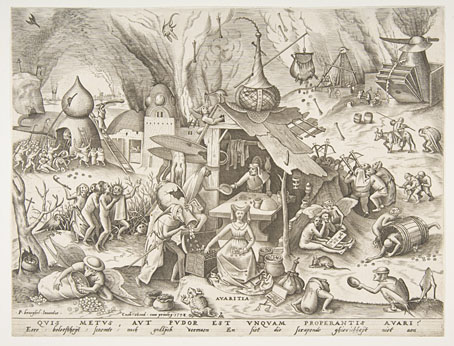
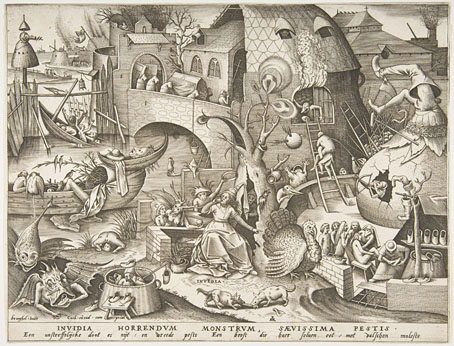
The sins are those that Christians used to regard as the seven deadly ones, presented as a series of bizarre phantasmagorias. The prints were engraved by Pieter van der Heyden in 1558 working from drawings made the year before by Bruegel the Elder. All the pictures here link to pages at the Metropolitan Museum of Art, NYC, and much bigger images which are essential if you want to scrutinise the wealth of strange detail.

heyden02.jpg

Avarice (Avaritia).

heyden03.jpg

Envy (Invidia).

Continue reading “Bruegel’s sins”

De Plancy’s Dictionnaire Infernal

deplancy01.jpg

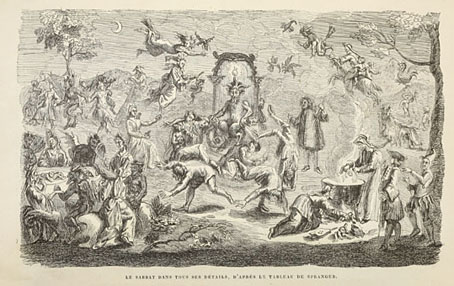
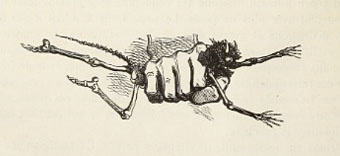
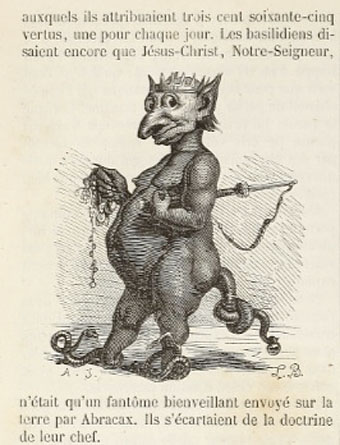
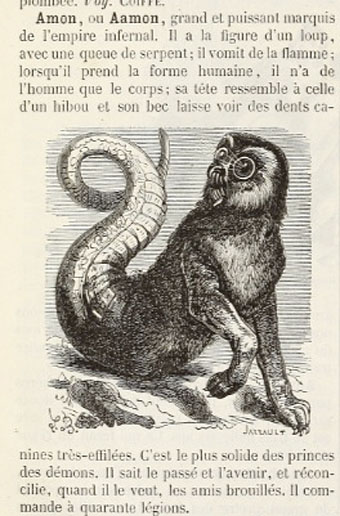
This would have been an ideal post for last week but better late than never, especially when I’ve been hoping for several years that a decent copy of Collin de Plancy’s dictionary would turn up at the Internet Archive. The Dictionnaire Infernal (1818–1863) has become famous mainly for the curious and often fanciful illustrations of demons which fill out the 1863 edition, pictures which have been plundered endlessly by occult histories, art directors, and illustrators such as myself. The demon portraits were the work of Louis Le Breton but the 1863 edition contains hundreds of other small illustrations and embellishments of varying quality. De Plancy was an author of many popular accounts of history, religion and mythology (also a book on “the food of the reptiles and the batrachians of France”) but his name is permanently wedded to this volume which the 1826 edition self-described as:

Infernal Dictionary, or, a Universal Library on the beings, characters, books, deeds, and causes which pertain to the manifestations and magic of trafficking with Hell; divinations, occult sciences, grimoires, marvels, errors, prejudices, traditions, folktales, the various superstitions, and generally all manner of marvellous, surprising, mysterious, and supernatural beliefs.

If you can read French then there’s 750 pages of this. The rest of us can enjoy the pictures.

deplancy02.jpg

deplancy03.jpg

deplancy04.jpg

Continue reading “De Plancy’s Dictionnaire Infernal”