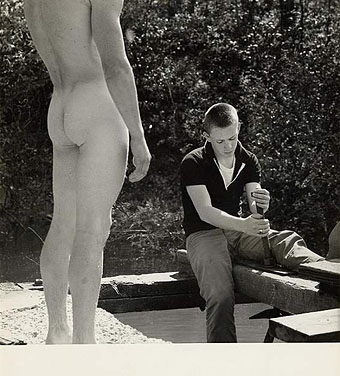
Flickr set of (rare?) photos from a gay New York studio of the Fifties and Sixties.
Previously on { feuilleton }
• California boys by Mel Roberts
A journal by artist and designer John Coulthart.
Flickr set of (rare?) photos from a gay New York studio of the Fifties and Sixties.
Previously on { feuilleton }
• California boys by Mel Roberts
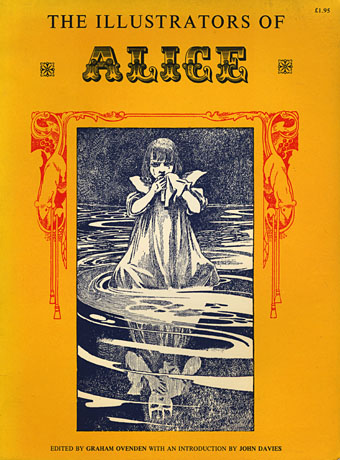
Latest book purchase is this large format volume from 1972, one of a number of interesting art books produced by Academy Editions in the early seventies. I also have their monographs on Odilon Redon, “insane” painter Richard Dadd, and their collection of Félicien Rops‘ pornographic and “Satanist” drawings which remains one of the few Rops books published in English.
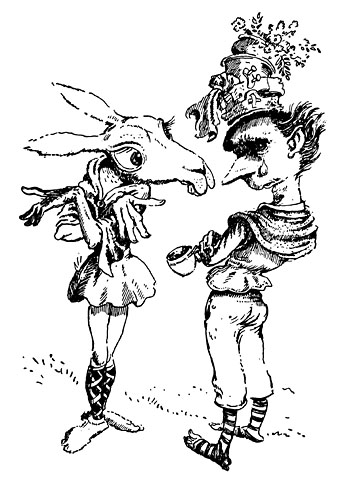
Through the Looking-Glass by Mervyn Peake (Allen Wingate, London, 1954).
This collection is worth seeking out if you’re interested in minor Victorian and Edwardian illustrators. The book goes through each chapter of the Alice stories showing examples of illustrated editions by a wide range of illustrators and artists, from Lewis Carroll’s original drawings, Tenniel’s inimitable renderings, then on through the twentieth century, featuring artists such as Peter Blake, Ralph Steadman and even a picture by Max Ernst. The cover drawing is one of my favourites, from Charles Robinson, brother of the more famous William Heath. I also like the pictures by the great Mervyn Peake, one of the few illustrators who seemed able to overcome Tenniel’s dominance and show us something new.
The Alice books are one of the great “standards” (in the jazz sense) of illustration although I can’t say I’ve ever felt the temptation to approach them myself. Loathsome monstrosities from hideously-angled dimensions beyond space and time, yes; small Victorian girls and white rabbits, no.
Elsewhere on { feuilleton }
• The illustrators archive
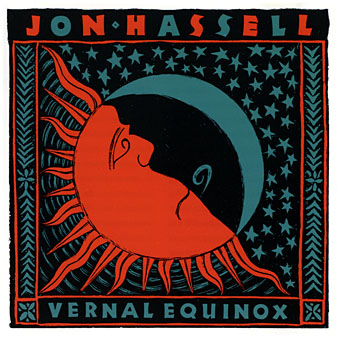
Vernal Equinox by Jon Hassell; the perfect listening
for the “momentous poem among moments”.
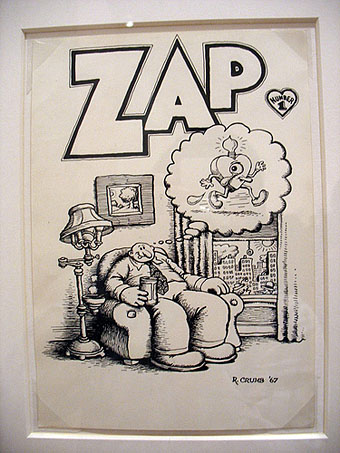
A substantial Robert Crumb exhibition opened this week at the
Yerba Buena Center for the Arts, San Francisco.
YBCA salutes local treasure R. Crumb with an eclectic exhibit of early work, collaborations old and new, and the world premiere of his “spool” drawings. Universally acknowledged as the founder of the underground comic scene, Crumb gained cult popularity for his pioneering Zap Comix and stardom with the Terry Zwigoff documentary Crumb. Extending far beyond comics, the YBCA exhibit shows how his work has grown in philosophical complexity, and highlights his collaborative work, including intimate confessions produced with wife Aline Kominsky-Crumb.
For those of us who can’t make it, there’s this Flickr set from Buenaventura Press.
Via Boing Boing.
R. Crumb?s Underground
Mar 17th?Jul 8th, 2007
First Floor Galleries
YBCA
701 Mission St. at Third
San Francisco, CA
Four years of war in Iraq.
And counting…