Jackpot by Adam Baran

jackpot.jpg

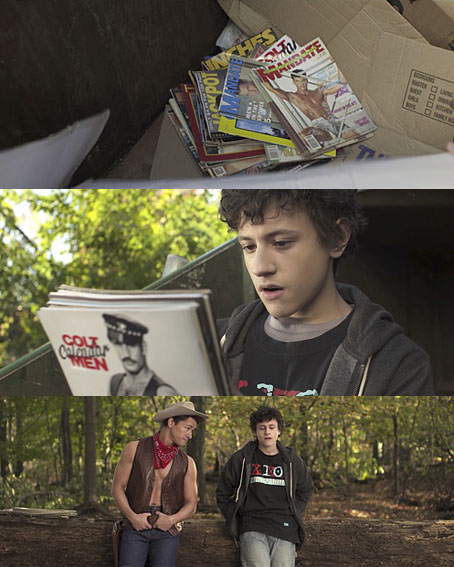
Jackpot is a 10-minute film by Adam Baran about a gay teen in 1994 who goes looking for a stash of abandoned gay porn mags. Baran says:

I really made the film because I loved teen movies and never really saw one for gay kids that both addressed their sexuality in the way that straight movies like Weird Science or American Pie or Superbad did, and let them get what they want. Jack in my film learns that he has to fight back for what he wants, even if it means he has to take a couple of licks. I think that’s a resonant message for gay kids everywhere.

I mentioned the Kickstarter completion bid for this a couple of years ago then promptly forgot about it so it’s good to find that the film got made, and won Best Short at the 2013 Miami Gay and Lesbian Film Festival. The whole thing can now be watched on Vimeo where Baran is trying to raise money to expand Jackpot into a feature. Via Towleroad.

Graham Chapman’s opinion

chapman.jpg

The announcement this week that the surviving members of the Monty Python team were getting back together has caused an understandable flurry of excitement. This isn’t something I share despite having the entire run of the Python films and TV series on DVD. I usually feel the same way about band reunions: rather than revisit past glories I prefer to see people doing something new. That said, it would be nice if Eric Idle would allow a DVD release of his Rutland Weekend Television series. His low-budget Python spin-off was broadcast once in the 1970s and hasn’t been seen since, to the continual annoyance of co-star and collaborator Neil Innes.

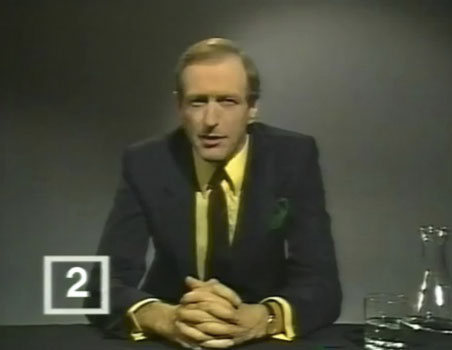
Graham Chapman will be absent from the reunion, of course. His polemic for Channel 4’s Opinions has nothing to do with Monty Python beyond his presence but it’s something I’ve always remembered so it’s good to find it on YouTube. Opinions was a run of half-hour pieces-to-camera by a different person each week; I saw this one when it was broadcast in 1984 but don’t recall any of the others. Chapman’s contribution was memorable at the time for his talking directly and unapologetically about alternatives to heterosexual relations, and what we’d now call hetero-normativity. This would hardly raise an eyebrow today but in 1984 attitudes towards gay people in the UK were growing increasingly harsh under a right-wing government, a virulent press, and the beginning of the AIDS crisis. Chapman’s plea for universal tolerance wouldn’t have made much of an impression but it was good to hear someone talking this way, even if only for 30 minutes on the channel with the least amount of viewers. Chapman was the first person I saw talking on TV about being gay at a time (the 1970s) when few people in public life dared to admit such a thing. His cheerful example was a great riposte to an atmosphere of widespread fear and loathing. His Opinions piece is witty, silly, over-exuberant (as his acting often was), and self-reflexive in the manner the Pythons made their own. You also get to see his partner, David Sherlock, in a variety of background roles. Watch it here.

Canal view

venice1.jpg

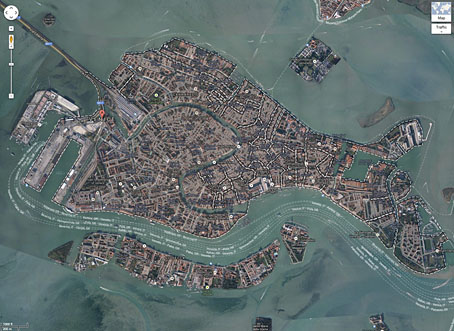
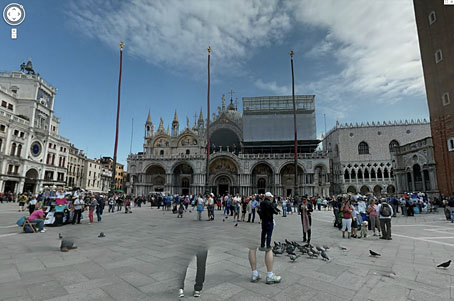
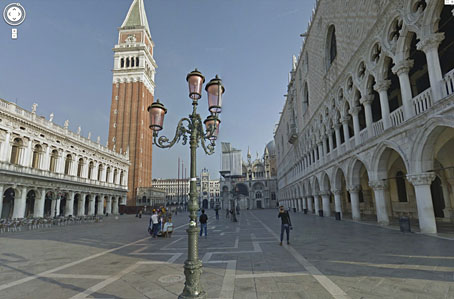
Having followed the development of Google’s Street View from the outset I couldn’t really avoid noting this new addition. The effortlessly photogenic city of Venice deserves the Street View treatment more that most cities, and while Google hasn’t explored every last corner there are enough canals, piazzas and streets photographed to allow some serious derives. If I wasn’t busy at the moment chasing an illustration deadline I’d be spending some time clicking my way around the place.

venice2.jpg

Piazza San Marco.

The Google blog has more information about the extent of the work and points the way to some less well-known areas. Below you’ll find my directions to a location from Don’t Look Now.

venice3.jpg

Piazza San Marco.

Continue reading “Canal view”

Schalcken’s paintings

schalcken3.jpg

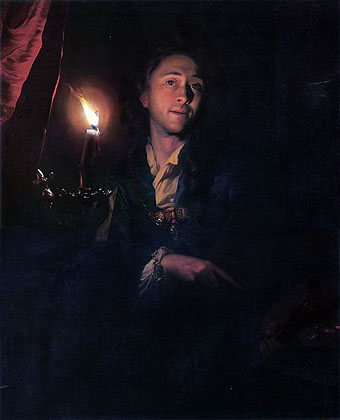
Self Portrait by Candlelight (1695).

One additional pleasure of Le Fanu’s story and Leslie Megahey’s film is the way they draw attention to the work of an artist who might otherwise have remained overshadowed by his more famous contemporaries. Ever since seeing the meticulous chiaroscuro of Joseph Wright’s An Experiment on a Bird in an Air Pump (1768) I’ve been fascinated by paintings which feature a single artificial light source. Candlelit pictures are a particular fascination since these aren’t easy to paint even today when you can photograph the required scene beforehand. How much more difficult would it be painting a candlelit scene by candlelight alone? Works of this nature demonstrate an artist’s fascination with limited sources of light but also serve as displays of expertise, as did so much Dutch painting of Schalcken’s time with its emphasis on photo-realist representation.

schalcken5.jpg

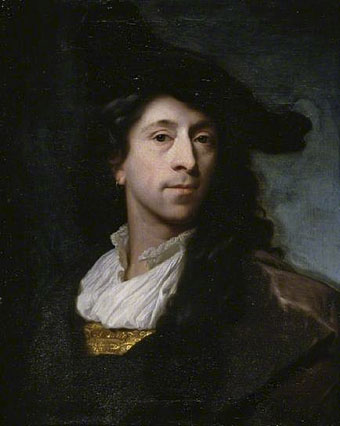
Self Portrait (no date).

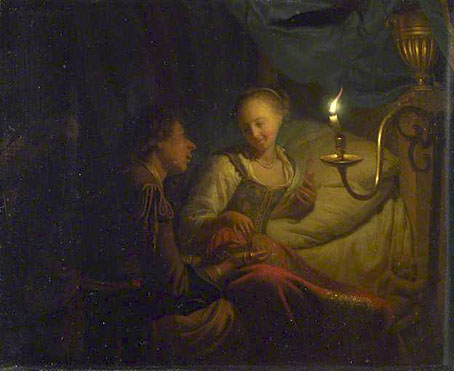
This small selection of paintings by Godfried Schalcken (1643–1706) shows some of the pictures that appear in Megahey’s film, or which we see being posed or replicated. At the end I’ve included Schalcken’s own take on the Salomé story which means his work can now be ushered into the Salomé archive. More of Schalcken’s work may be seen at Wikimedia Commons and the BBC’s Your Paintings site. One significant picture is unavailable: the painting which Le Fanu describes at the opening of his story. In his interview about the making of the film Megahey says that they searched the entire catalogue of Schalcken paintings but were unable to find a single picture that matches the one described in Le Fanu’s story. The painting seen in the film (which is perfectly rendered in Schalcken’s style) was created especially for the production.

schalcken6.jpg

A Candlelight Scene: A Man offering a Gold Chain and Coins to a Girl seated on a Bed (c. 1665–70).

Continue reading “Schalcken’s paintings”

Schalcken the Painter revisited

schalcken1.jpg

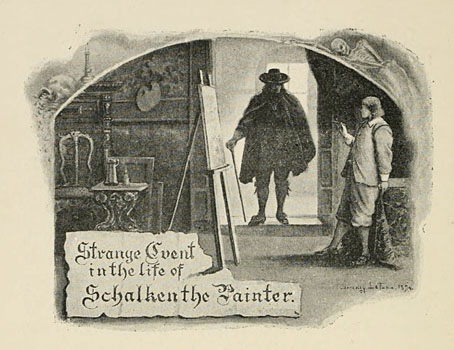
Illustration by Brinsley Sheridan Le Fanu from The Watcher and Other Weird Stories (1894) by J. Sheridan Le Fanu.

The stranger stopped at the door of the room, and displayed his form and face completely. He wore a dark-coloured cloth cloak, which was short and full, not falling quite to the knees; his legs were cased in dark purple silk stockings, and his shoes were adorned with roses of the same colour. The opening of the cloak in front showed the under-suit to consist of some very dark, perhaps sable material, and his hands were enclosed in a pair of heavy leather gloves which ran up considerably above the wrist, in the manner of a gauntlet. In one hand he carried his walking-stick and his hat, which he had removed, and the other hung heavily by his side. A quantity of grizzled hair descended in long tresses from his head, and its folds rested upon the plaits of a stiff ruff, which effectually concealed his neck.

So far all was well; but the face!

Strange Event in the Life of Schalken the Painter (1839) by J. Sheridan Le Fanu.
schalcken2.jpg

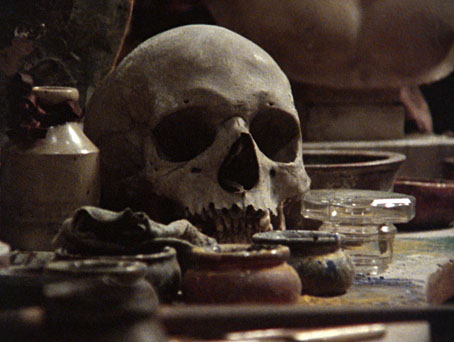
Compare this shot to the inferior YouTube version.

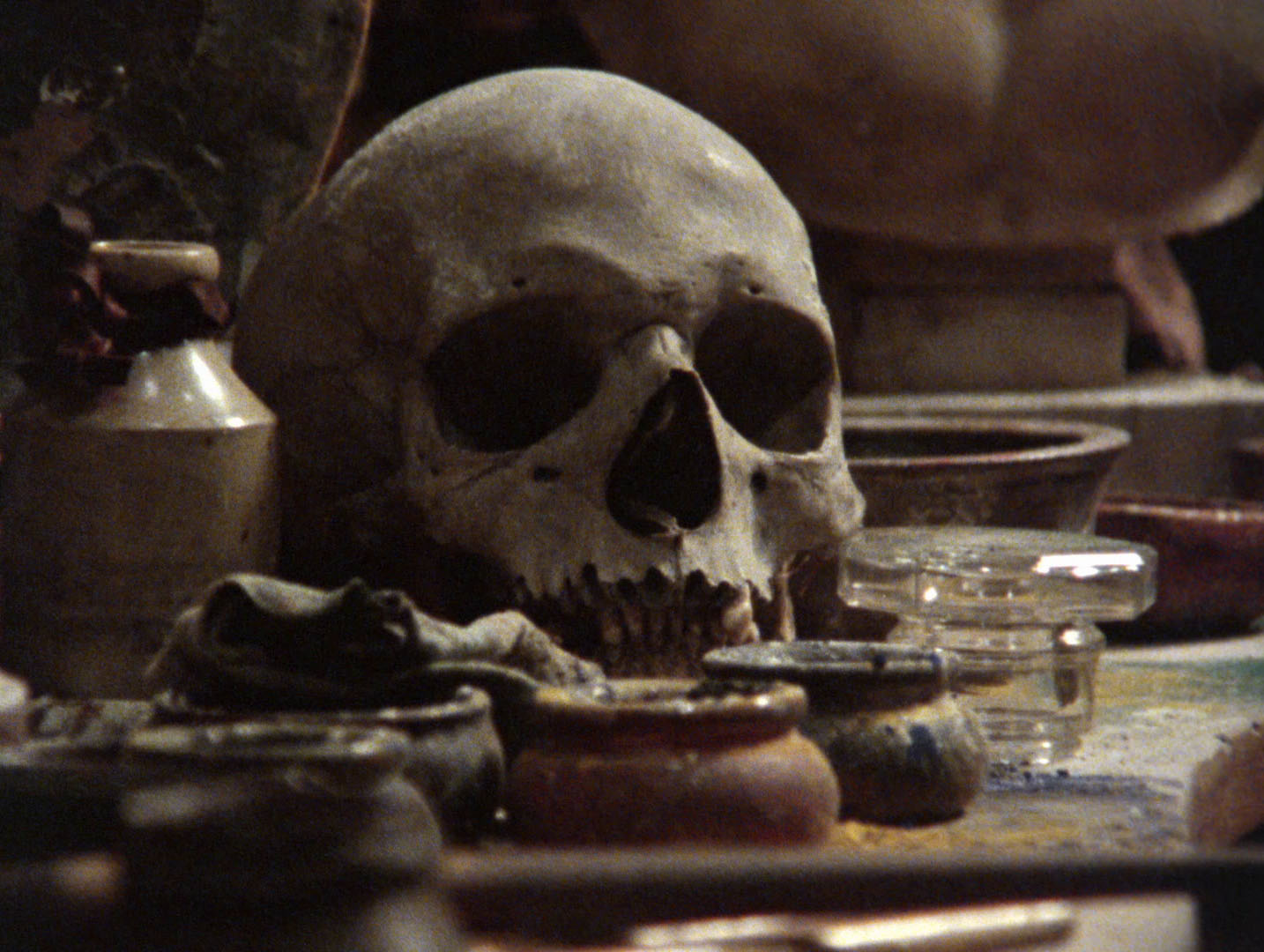
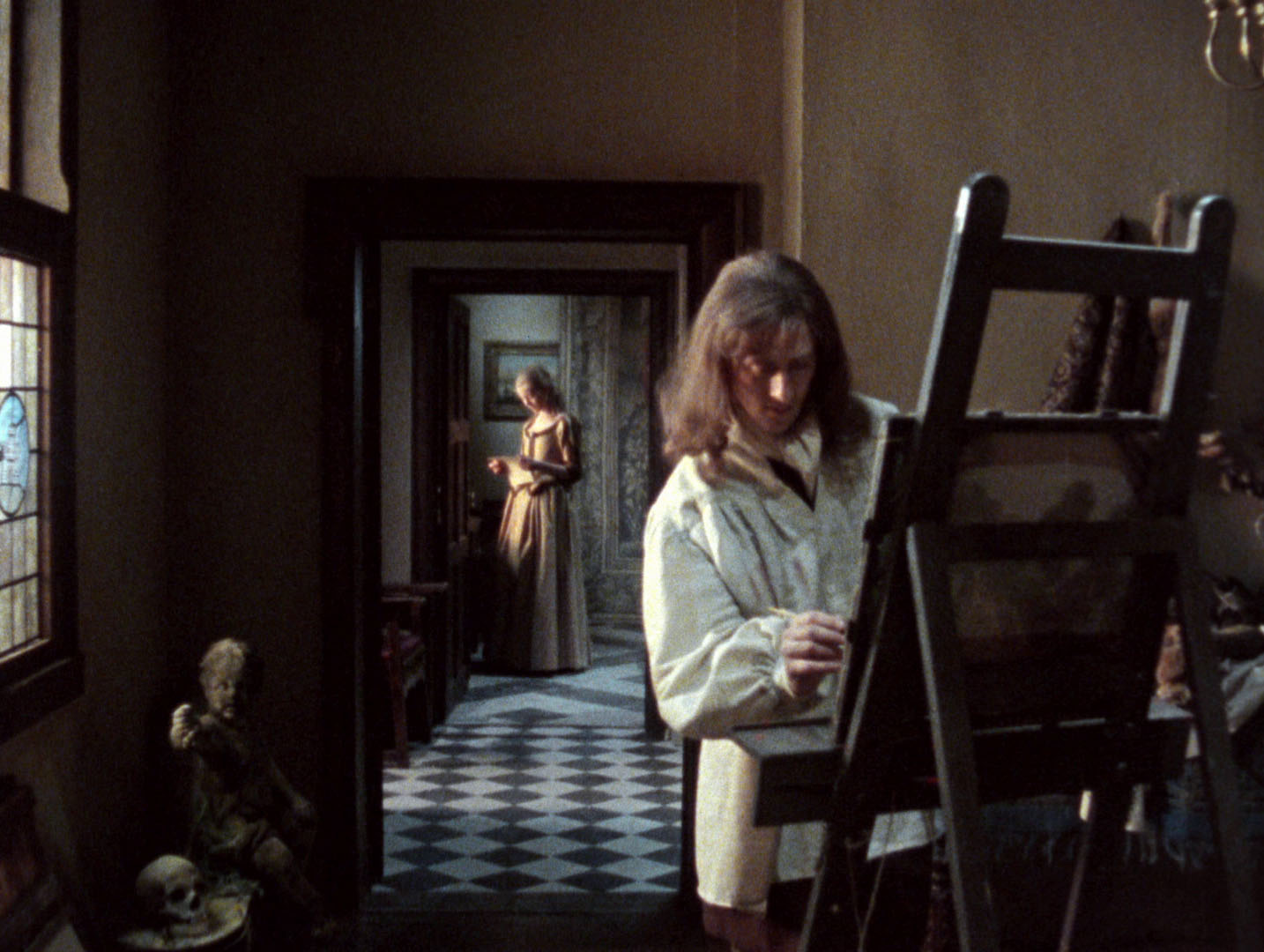
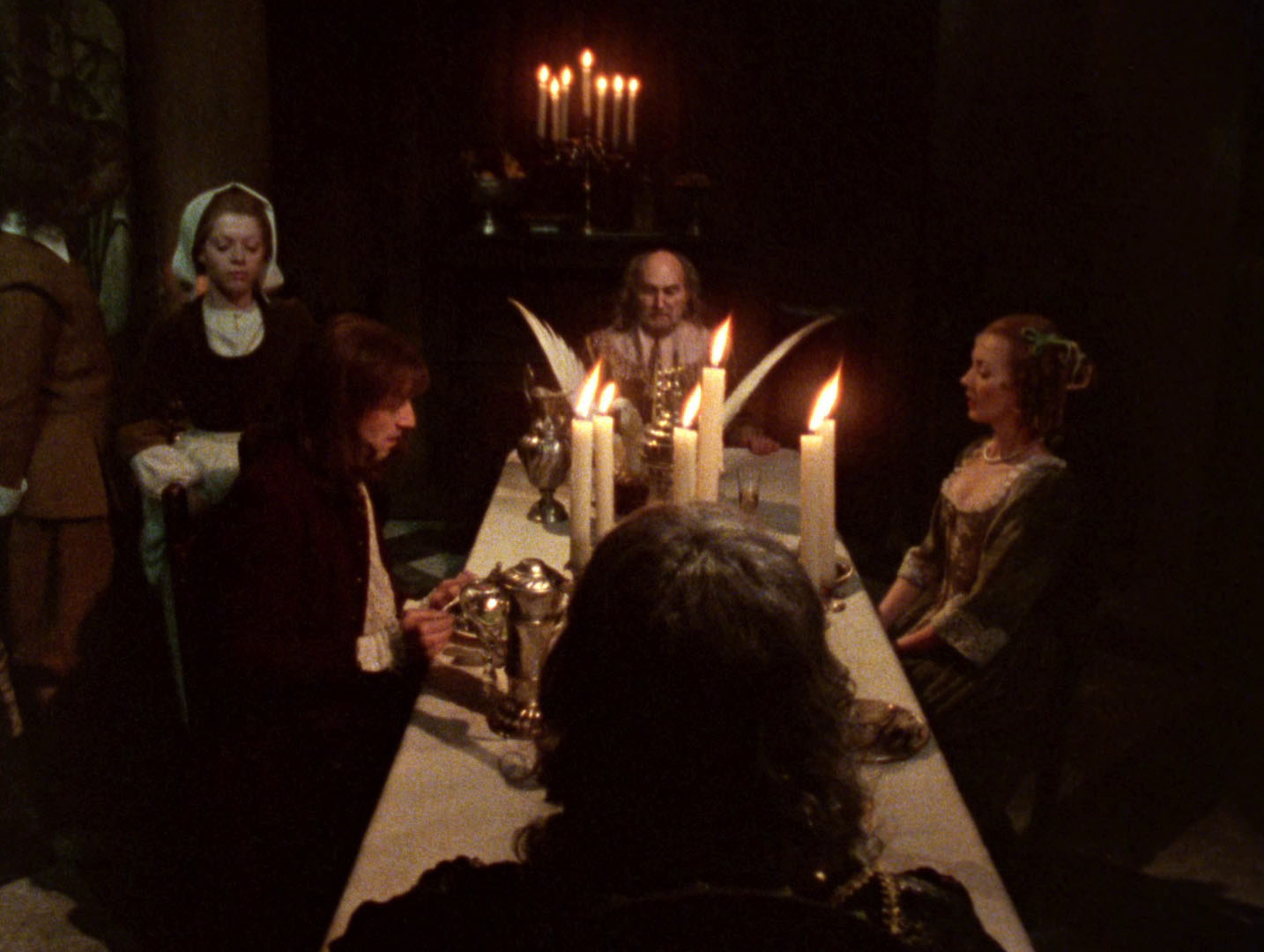
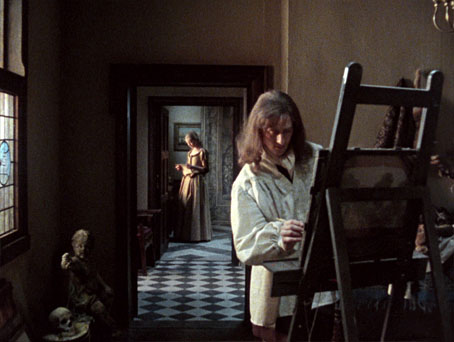
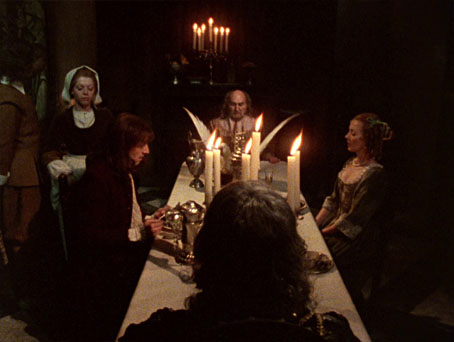
I enthused at some length about Leslie Megahey’s 1979 television film Schalcken the Painter last year so there’s no need to repeat myself. This post serves notice that the film is available at last in another marvellous dual-format release from the BFI, replete with extras, and the usual authoritative booklet notes. The Blu-ray transfer is a revelation after years spent watching an old VHS copy (the versions of YouTube are even worse). I noted before the astonishing lighting by cameraman John Hooper which successfully replicates not only the Dutch interiors so familiar from Vermeer, but also the candlelit chiaroscuro of Godfried Schalcken’s own paintings. (Le Fanu, incidentally, spelled the painter’s name “Schalken”.) Blu-ray quality might seem like overkill for a low-budget TV drama, however well-made, but this film in particular demands it, especially when the interiors begin to darken along with the story.
schalcken3.jpg

Cheryl Kennedy and Jeremy Clyde.

Among the extras there’s a 39-minute interview with Leslie Megahey and John Hooper about the making of the film. The combination of scenes based on period paintings plus candlelit interiors always makes me think of Barry Lyndon so it’s a surprise to discover that Megahey didn’t have this in mind at all. The film owes more, he says, to Blanche (1972) by Walerian Borowczyk, a period feature film which utilises a similarly flat shooting style with scenes based on medieval art. I’ve only seen Borowczyk’s earlier animated films, some of which have featured in previous posts, so this is one to look for in future.
schalcken4.jpg

In addition to the making-of piece there are two short films: The Pit (1962, 27 mins), directed by Edward Abraham, based on Poe’s Pit and the Pendulum, and The Pledge (1981, 21 mins) directed by Digby Rumsey, based on a short story by Lord Dunsany. I’ve not watched either of these yet, it seemed unfair to follow Megahey’s film with lesser fare.

After such unbridled enthusiasm it goes without saying that this is an essential purchase for anyone who enjoys the BBC’s ghost films of the 1970s. I’m biased towards Megahey’s productions but I find this a superior work to many of the MR James films. Megahey filmed another drama about a painter in 1987, Cariani and the Courtesans. It’s a non-supernatural piece but also has Charles Gray narrating and John Hooper behind the camera. I’ve not seen it for years so I’ll continue to hope it may also see a reissue soon.

Previously on { feuilleton }
Schalcken the Painter
Leslie Megahey’s Bluebeard
The Watcher and Other Weird Stories by J. Sheridan Le Fanu
Chiaroscuro