In A Silent Way

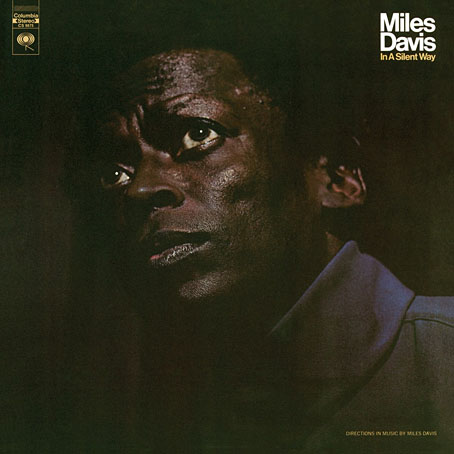
In A Silent Way (1969) by Miles Davis
miles.jpg

In A Silent Way (YT)

In a Silent Way was assembled from various takes from a three-hour session on February 18, 1969, at CBS 30th Street Studio’s Studio B in Manhattan. “Shhh / Peaceful” was composed solely by Davis, while the opening and closing section to “In a Silent Way / It’s About That Time” is based on [Joe] Zawinul’s “In a Silent Way”, which he would record in its original form in 1970 for his third solo album, Zawinul (1971). After Zawinul presented the tune to the group, it was rehearsed as it was originally written, but Davis wished for it to sound more rock-oriented and stripped the various chord changes to leave a more basic melody built around a pedal point. [John] McLaughlin had some difficulty playing in the manner Davis wished of him, but found his way after the trumpeter suggested he play the guitar as if he were a novice. Davis believed that Zawinul was never happy with his adaptation of “In a Silent Way”, but felt that the album would have been less successful had its original arrangement been kept. Zawinul had expressed some dislike of Davis’ arrangement, in particular of two chords that he believed that Davis was wrong to remove. Zawinul claimed that he was responsible for the melodic bass line and descending melody of “It’s About That Time” but was not credited; he blamed [Teo] Macero for this, as he “always put things together so that it came out as if Miles had written it.” (more)


Zawinul (1971) by Joe Zawinul

In A Silent Way (YT)


Celebration (1972) by El Chicano

In A Silent Way (YT)


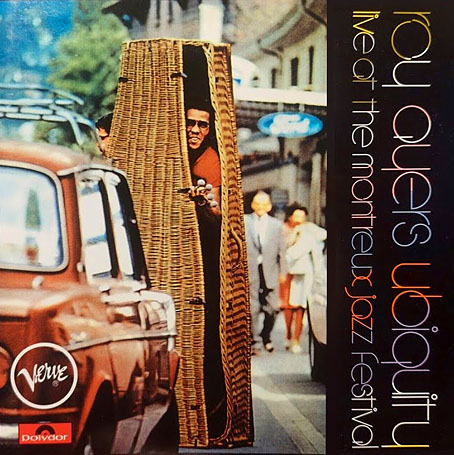
Live At The Montreux Jazz Festival (1972) by Roy Ayers Ubiquity
ayers.jpg

In A Silent Way (Should really be titled It’s About That Time since Ayers is playing the second part of the Davis piece) (YT)


Filmore – The Last Days (1972) by Various Artists

In A Silent Way by Santana (YT)


Double Exposure (1975) by Nat Adderley

In A Silent Way (YT)


Concerto Retitled (1976) by Joe Zawinul

In A Silent Way (YT)


Babel (1978) by Max

D’Una Manera Silenciosa (YT)


Continue reading “In A Silent Way”

Miles and Miles

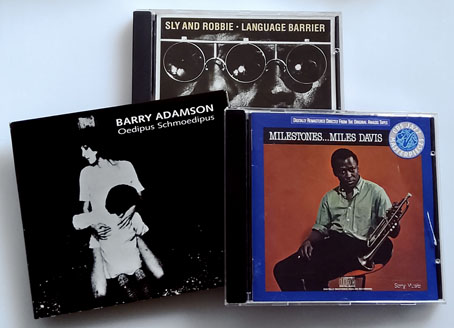
discs.jpg

I listen to music all the time when I’m working but it’s not always a good idea to give new music an airing when you’re also concentrating on new work. What often happens on these occasions is that the album will fail to make an impression and end up being laid aside in favour of more familiar sounds, which is what happened to the copy of Milestones (1958) by Miles Davis that I bought last year in a charity shop. Listening to it again this week provoked a “Wow!” response as well as making me realise that I’d heard the tune of the fourth track, Miles, somewhere before. Miles, or Milestones as it’s confusingly also known, is covered by Barry Adamson on his 1996 album, Oedipus Schmoedipus, a simpler version but still jazzier than everything else on the album. I’d always suspected that Adamson was referring to Miles Davis with the title but since I’d never looked at the writing credits until this week I didn’t make the connection. Davis had a habit of naming new pieces of music after people he knew—John McLaughlin, Billy Preston, Mtume, producer Teo Macero, etc—so Miles (as opposed to Milestones) can be taken as an early example of the habit even though it refers to him and also doubles as a reference to measurement rather than a person.

The same title, but not the same piece of music, appears on a 1985 album by Sly & Robbie, Language Barrier, the track in this case being a renamed reworking of Black Satin from Miles Davis’s On The Corner album. Language Barrier in turn was produced by Bill Laswell who later remixed the original Black Satin for his excellent compilation/reconstruction of Davis’s electric period, Panthalassa, and who may have suggested that Sly & Robbie record their own version of the Davis piece. Whatever its origin, Miles (Black Satin) is credited to “B. Laswell, M. Davis, R. Shakespeare & S. Dunbar” which brings us back to Barry Adamson whose Miles has a similar credit at Discogs (but not on my CD…) although Laswell is now (bizarrely) “William Laswell”. I still don’t know what connection Laswell or Sly & Robbie have with Adamson’s track, unless it’s a Discogs error or contains a sample I’ve missed, but the ghost of M. Davis might at least be satisfied that he was influencing popular music after so many years on the outside looking in. Always miles ahead. And that’s the title of another Davis album I’ve yet to acquire…

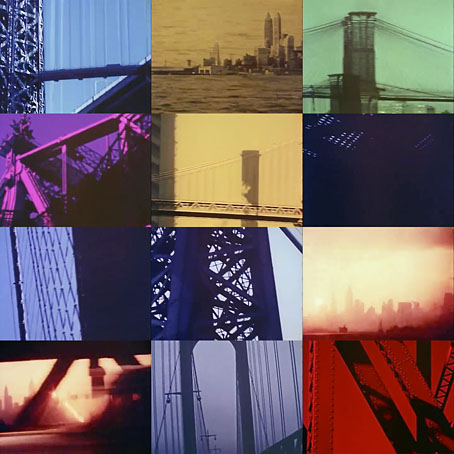
Bridges-Go-Round, a film by Shirley Clarke

clarke

Bridges-Go-Round (1958) is a short but beguiling film that makes New York’s bridges seem like huge pieces of kinetic sculpture. The version linked here is also unusual for being two films in one: the film repeats itself with identical visuals but a different soundtrack. The first version is scored by a jazz piece from composer and producer Teo Macero, the second has electronic music by Louis and Bebe Barron that sounds very similar to their all-electronic score for Forbidden Planet (1956). When the music changes the film seems to change with it.

Previously on { feuilleton }
NY, NY, a film by Francis Thompson

Can’s Lost Tapes

can1.jpg

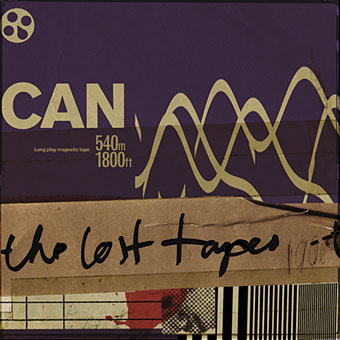
Design by Julian House.

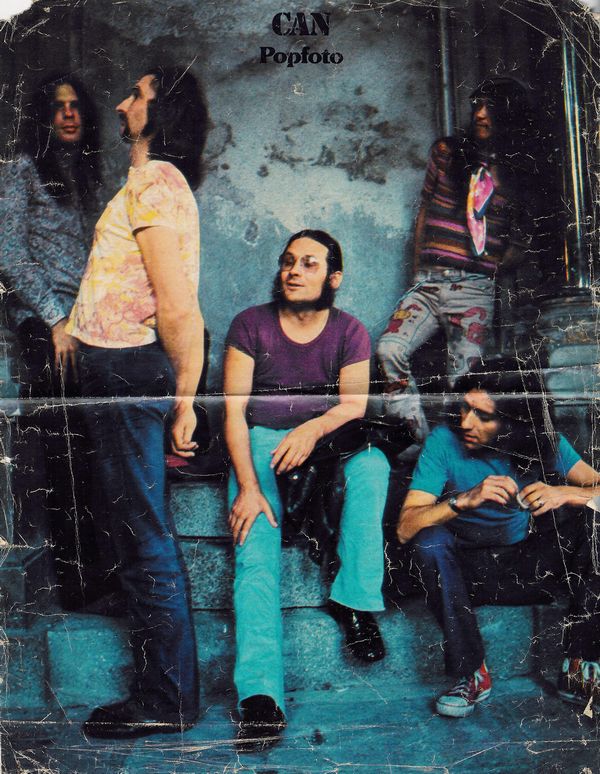
“Tapes”, that’s the crucial word. For the past twenty-four hours I’ve been immersed in The Lost Tapes, the triple-disc collection of previously unreleased recordings by the mighty Can, and contemplating the importance of tape to the German music scene (Krautrock, if you must) of the 1970s. Can performed live throughout their career but their reputation is based on their recorded output. One reason why not only Can but also Faust and Kraftwerk were able to spend so much time creating unprecedented music was because they all had their own studios. These were doubtless primitive—Can’s was famously housed in a disused cinema—but the ability to experiment with recording free from the escalating costs of a professional studio gave them an advantage that few of their British or American contemporaries possessed. Can’s process wasn’t so very different from that employed by The Beatles and Miles Davis: play or improvise for hours then rely on talented editors (George Martin and Teo Macero respectively) to structure the music. Can’s Teo Macero figure was Holger Czukay whose advanced skills as a tape collagist were evident pre-Can on his Canaxis album.

can2.jpg

Can-heads have known all this for years, of course, you get to see some of the rudiments of the process in the archive footage on the 2003 DVD documentary. And knowing this always begged the obvious question: where’s all the unreleased tape? The Lost Tapes finally answers that question, it was in a vault in disarray. The booklet notes detail the sifting process that eventually culled three CDs from 50 hours of material. What’s great about this is that it’s all so much better than I expected (this was already evident from the preview tracks that Mute have been releasing). Many hardcore Can collectors will have heard the Canobits bootlegs that contain a mix of rudimentary tracks, long jams and live recordings, all of which are worthwhile but which mostly fail to match the quality of the Lost Tapes material. In addition to hearing preliminary pieces from Vitamin C and Sing Swan Song there are more of the band’s recordings for obscure film and TV, and some stunning live moments from the period around 1972 when they were really at their peak. I never expected there to be as much from the Malcolm Mooney period as there is here. Nice packaging too by Julian House in his day job as a designer at Intro: three discs in a ten-inch box with a booklet filled with the customary House collage business. This is an essential purchase for any Can enthusiast, but it’s also essential listening for anyone fascinated by the extraordinary music that erupted in Germany in the early 1970s.

Previously on { feuilleton }
A cluster of Cluster