The ruins of Detroit

detroit1.jpg

Michigan Central Station.

Photos from Yves Marchand & Romain Meffre (above) and Forgotten Detroit (below), the latter being an extensive catalogue of urban dereliction.

detroit2.jpg

The station waiting room.

Update: Environmental Graffiti today has a post speculating which American cities might be the lost cities of the future. Detroit is number three; go here to see which others they choose.

Previously on { feuilleton }
Ephemeral architecture
The temples of Angkor
St Pancras in Spheroview
Adolph Sutro’s Gingerbread Palace
Hungarian water towers

Vintage/Vantage

vintage.jpg

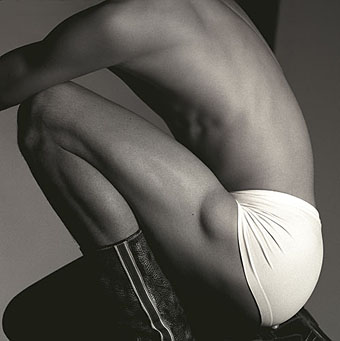
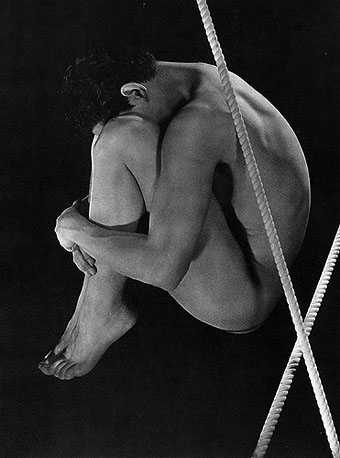
left: In The Belly of Nature (self-portrait) by Rudolph Koppitz (1923).
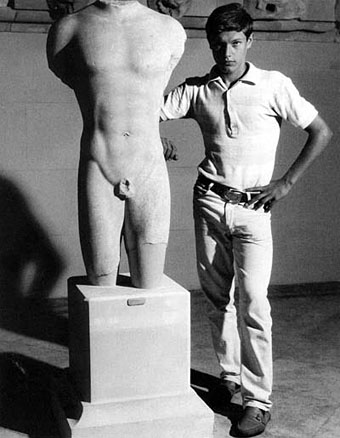
right: Ritti with Rod, North Sea, Germany by Herbert List (1933).

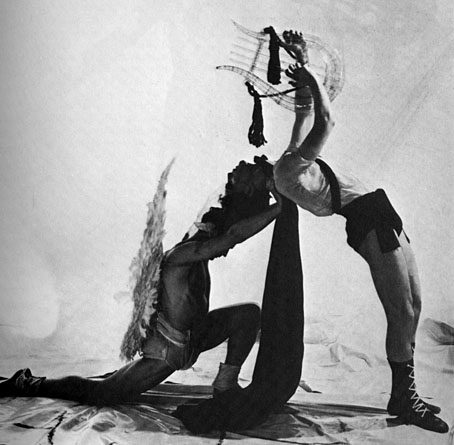
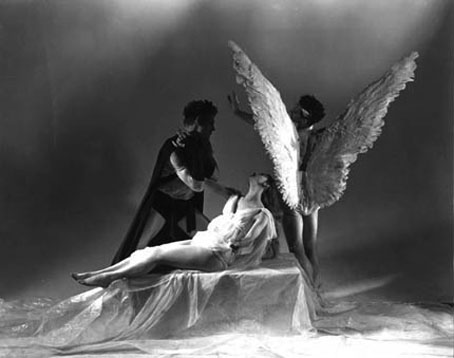
Vintage/Vantage is an exhibition of classic homoerotic photography of the 19th and 20th century at Wessel + O’Connor Fine Art, NYC. Examples range from Muybridge’s human locomotion experiments, through von Gloeden‘s Mediterranean boys to Herbert List, George Hoyningen-Huene and co. The exhibition runs to May 3, 2008.

Endangered insects postage stamps

stamps1.jpg

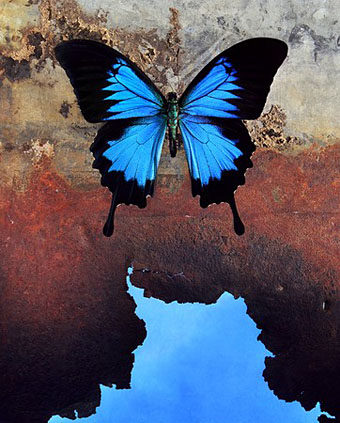
Adonis Blue Butterfly.

Beautiful stamps for the second in a Royal Mail series intended to bring attention to endangered species. These will be issued on Tuesday and are designed by Andrew Ross using photography from the Natural History Museum. The Independent notes the irony of the Royal Mail printing these even as they’re building a new distribution depot at West Thurrock which will destroy natural habitats. Invertebrate Conservation Trust Buglife had tried and failed to prevent the development.

stamps2.jpg

top: Silver-spotted Skipper, Red Barbed Ant, Stag Beetle.
centre: Noble Chafer Beetle, Barberry Carpet Moth, Purbeck Mason Wasp.
bottom: Southern Damselfly, Field Cricket, Hazel Pot Beetle.

Previously on { feuilleton }
Robert Lang’s origami insects
James Bond postage stamps
Lalique’s dragonflies
Lucien Gaillard
Wesley Fleming’s glass insects
Please Mr. Postman
Insect Lab

The skull beneath the skin

skull1.jpg

All Is Vanity by Charles Allan Gilbert (1892).

The subliminal skull is another of those perennial motifs that recur in art from time to time, and one which has become especially prevalent since the late 19th century. There seem to be a number of reasons for this, the most obvious being that if you’re going to show how clever you are by hiding one image inside another you may as well make the hidden thing something that everyone recognises. A secondary reason would seem to be the waning power of the vanitas theme. As painting became more pictorially sophisticated it wasn’t enough to simply show a skull and expect people to accept this with a stern moral as the principal content. Hence the development of death as a non-skeletal character in Symbolism and the reduction of skulls in pictures to a kind of playful game.

Holbein’s anamorphic skull in The Ambassadors is probably the grandfather of all the later versions but the more recent popularity of the hidden motif can be traced back to Charles Allan Gilbert whose 1892 picture, All is Vanity, drawn when he was just 18, was sold to Life Publishing in 1902, and subsequently spread all over the world in postcard form. Despite giving birth to a host of imitators, Gilbert’s picture is the one that still inspires artists and photographers up to the present day.

Continue reading “The skull beneath the skin”