Tenniel’s Fables

tenniel01.jpg

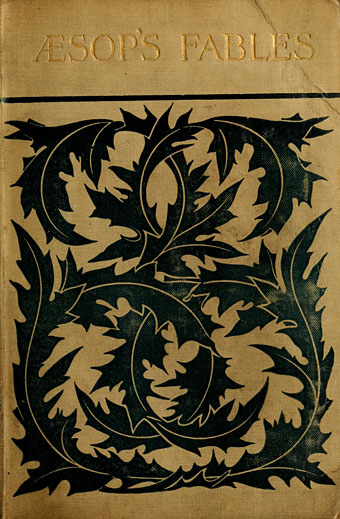
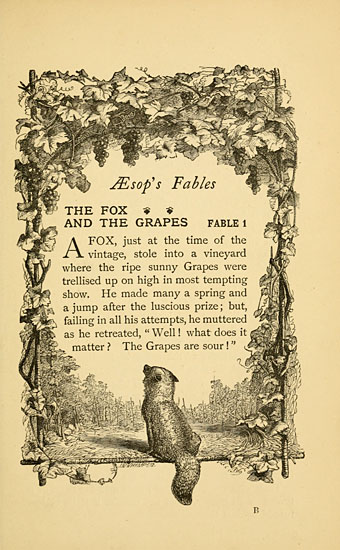
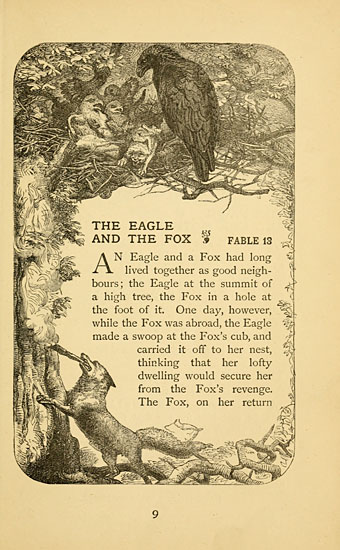
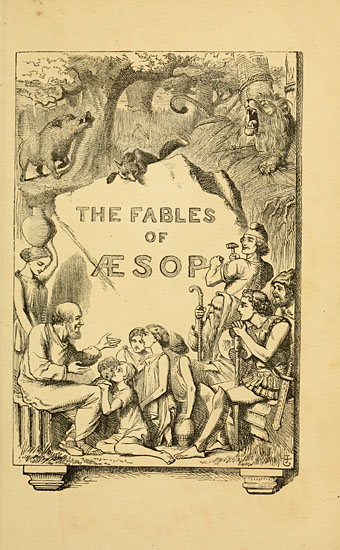
Everyone knows John Tenniel’s illustrations for Lewis Carroll’s Alice books, two volumes which have overshadowed the rest of his career. In addition to being a popular artist at Punch magazine Tenniel illustrated a number of other books including a collection of Aesop’s Fables in 1848. The copy from which these pictures are taken is a later edition from 1898, with text by Thomas James. The drawings lack the indelibly memorable quality of the Alice illustrations but that’s partly a result of the content which for Aesop is always going to lack the invention of Wonderland. Browse the rest of the book here or download it here.

tenniel02.jpg

tenniel03.jpg

tenniel04.jpg

Continue reading “Tenniel’s Fables”

Andrey Avinoff revisited

avinoff1.jpg

(My apologies for the recent downtime. The hosting for this site has been a bit more unstable than usual.)

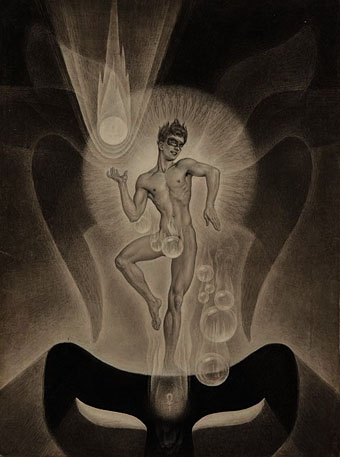
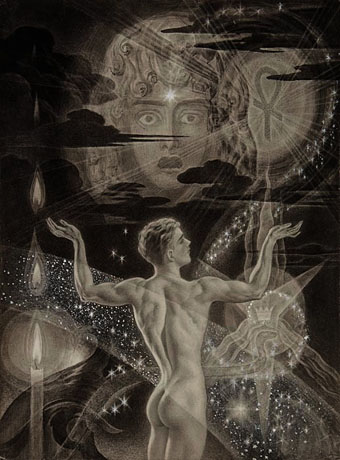
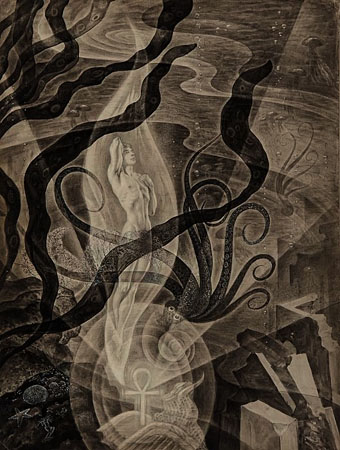
At a time when various Russians are trying to rewrite their nation’s gay history, there’s hardly been a better moment to remind ourselves of some of the people who contributed to that history. When I discovered the art of Andrey Avinoff (1884–1949) in 2007 most of the online examples of his work were in the collection of the Kinsey Institute. Avinoff was a friend of Kinsey’s (the artist escaped the revolution to live in the USA), and the professor no doubt took an interest in the evident homoeroticism of the drawings.
avinoff2.jpg

The homoerotics (mostly male nudes in fantasy scenes) are combined with some remarkable occult designs in Avinoff’s 21 illustrations for The Fall of Atlantis, a book-length poem by George Golokhvastoff published in 1944. The book was a limited edition, and a complete set of the drawings wasn’t forthcoming in 2007 so it’s been great to find Javier at Bajo el Signo de Libra posting the complete set. These are stunning illustrations which really ought to be seen by a wider audience; Avinoff isn’t a name you find very often in either the gay or the occult art world yet his draughtsmanship and imagination demand attention from both.
avinoff3.jpg

Elsewhere on { feuilleton }
The gay artists archive

Elsewhere on { feuilleton }
The art of Andrey Avinoff, 1884–1949
Old New Orleans

neworleans01.jpg

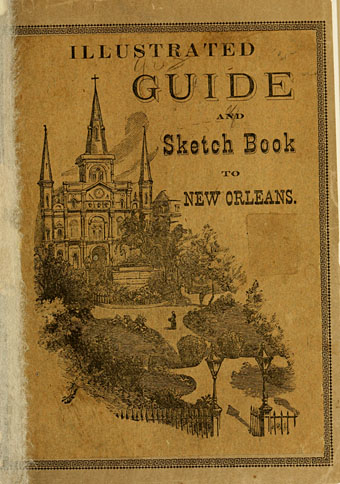
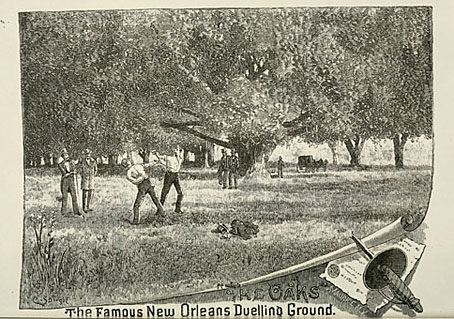
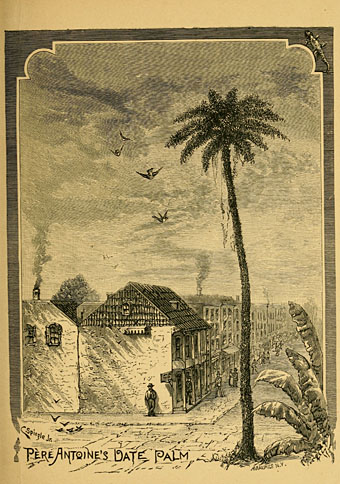
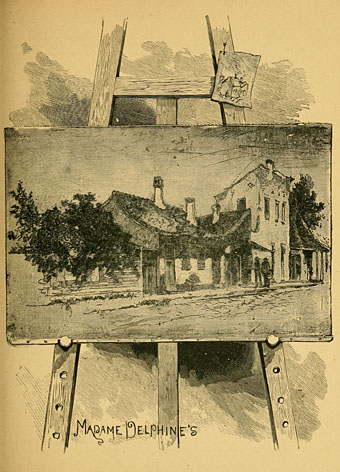
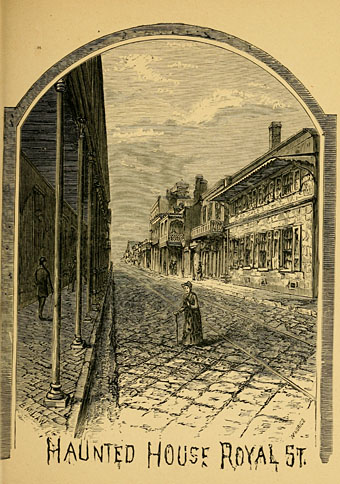
If you know the names Lafcadio Hearn and Joseph Pennell it’s surprising to see them brought together for this 1885 guide to the city of New Orleans. Hearn is better known for his many books about the folklore of Japan and China, while Pennell was a highly regarded artist and illustrator with a predilection for impressionistic cityscapes. The book is part of the Internet Archive so details are scant but it looks like a gathering together of prior work about the city with no single author—Hearn and others are credited inside. The deteriorated glamour of New Orleans means the illustrations are more picturesque than usual. Hearn had a fascination with ghost stories so he’d no doubt appreciate the view of the Haunted House on Royal Street. Browse the rest of the book here or download it here.

neworleans02.jpg

neworleans03.jpg

neworleans04.jpg

neworleans05.jpg

Continue reading “Old New Orleans”

A Book of Old English Ballads

ballads01.jpg

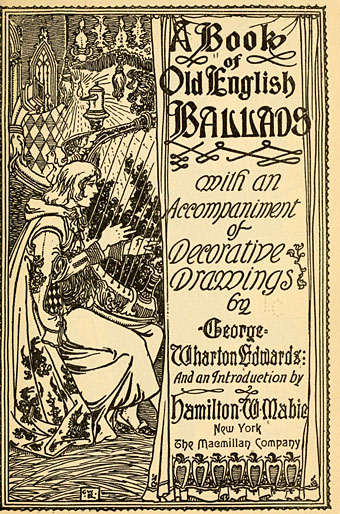
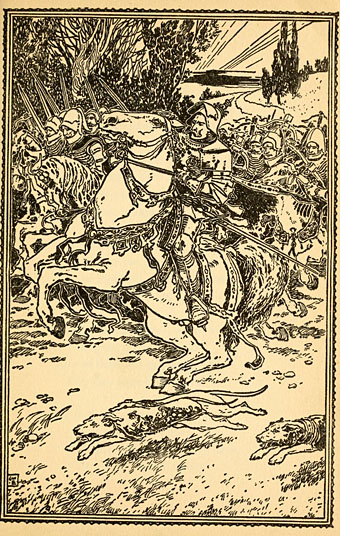
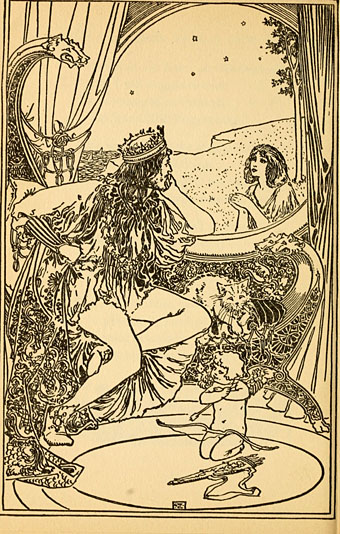
More illustration from George Wharton Edwards (1859–1950) with a collection of ballads from 1910. These being for the American market, the emphasis is on the picturesque England of kings and queens, duelling knights, and Robin Hood. A couple of exceptions, such as The Twa Corbies, point to the darker world of the Child Ballads where love and virtue aren’t always rewarded, and unnatural death is often the order of the day. Browse A Book of Old English Ballads here or download it here.

ballads02.jpg

ballads03.jpg

Continue reading “A Book of Old English Ballads”

Bird Gods

birdgods01.jpg

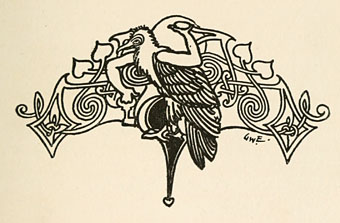
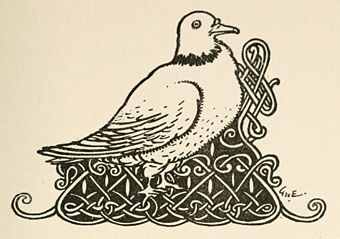
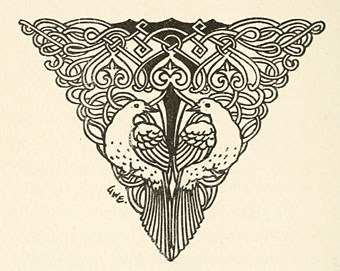
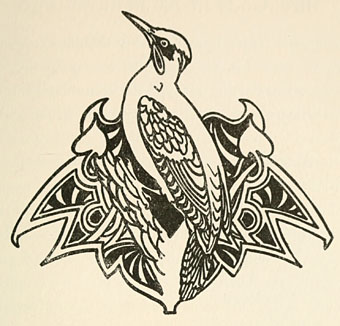
Why, I asked myself, should certain birds have been allotted to certain gods and goddesses in the Greek and Roman mythology? Why should the eagle go with Zeus, the peacock with Hera, the dove with Venus, the swan with Apollo, the woodpecker with Ares, the owl with Pallas Athene? It could not be mere chance that so many gods and goddesses had each their attendant bird; the attribution was too regular; it was done too much on a system. What was the original meaning of it all?

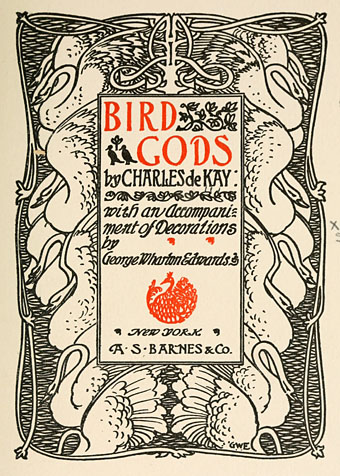
Charles de Kay attempts to answer his question in Bird Gods (1898), a study of the mythological and religious import of birds through the ages. Illustrator George Wharton Edwards was an American artist who worked in the Impressionist style when painting but here deliveries a range of bird portraits embellished with bits of imitation Celtic knotwork. The interlacings of Celtic art underwent a resurgence of interest with the development of Art Nouveau. Edwards’ illustrations aren’t the best examples of this (Mucha’s Hamlet poster is much better) but they give an idea of the trend. Browse the rest of De Kay’s book here or download it here.

birdgods02.jpg

birdgods03.jpg

birdgods04.jpg

birdgods05.jpg

Continue reading “Bird Gods”