The Performers: Goya

goya1.jpg

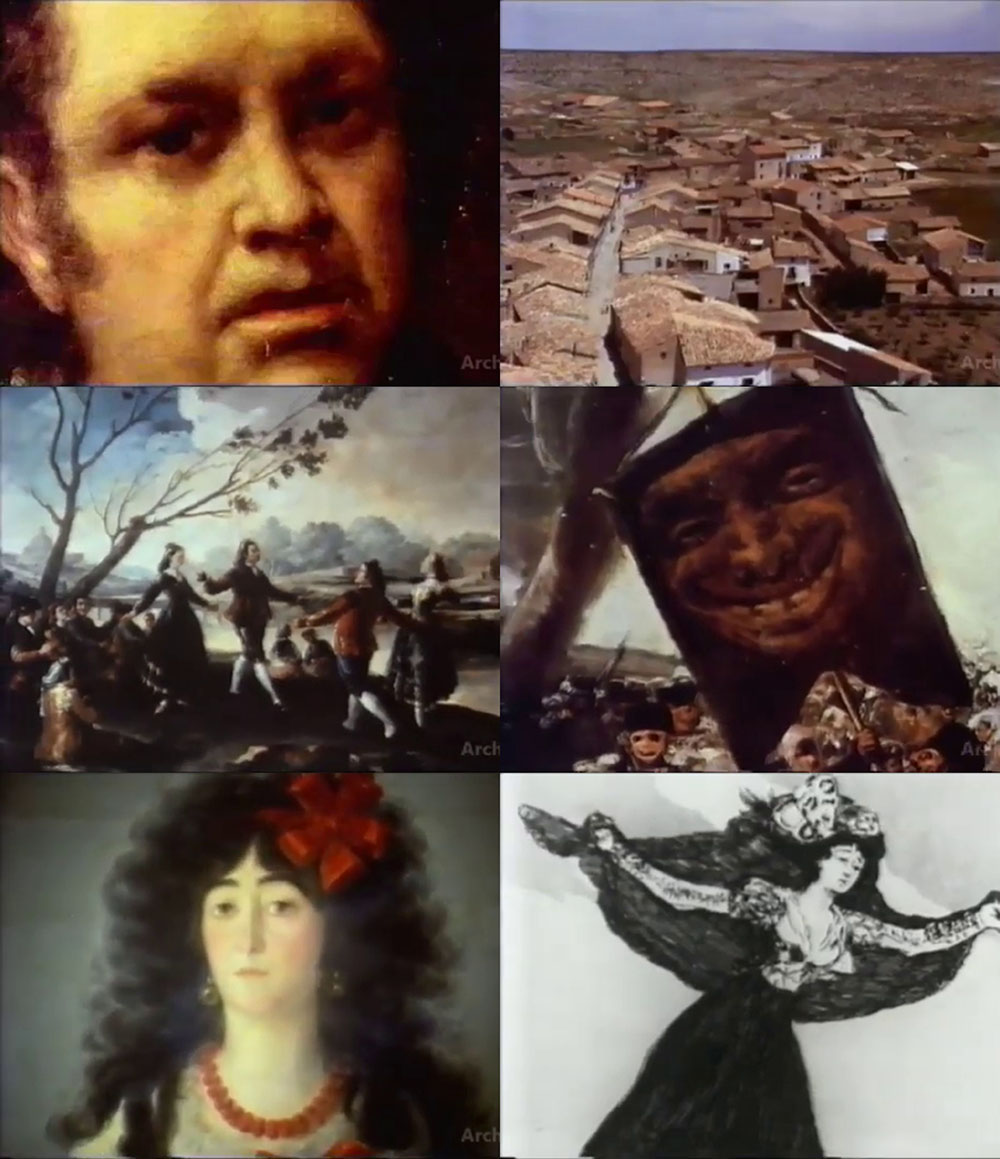
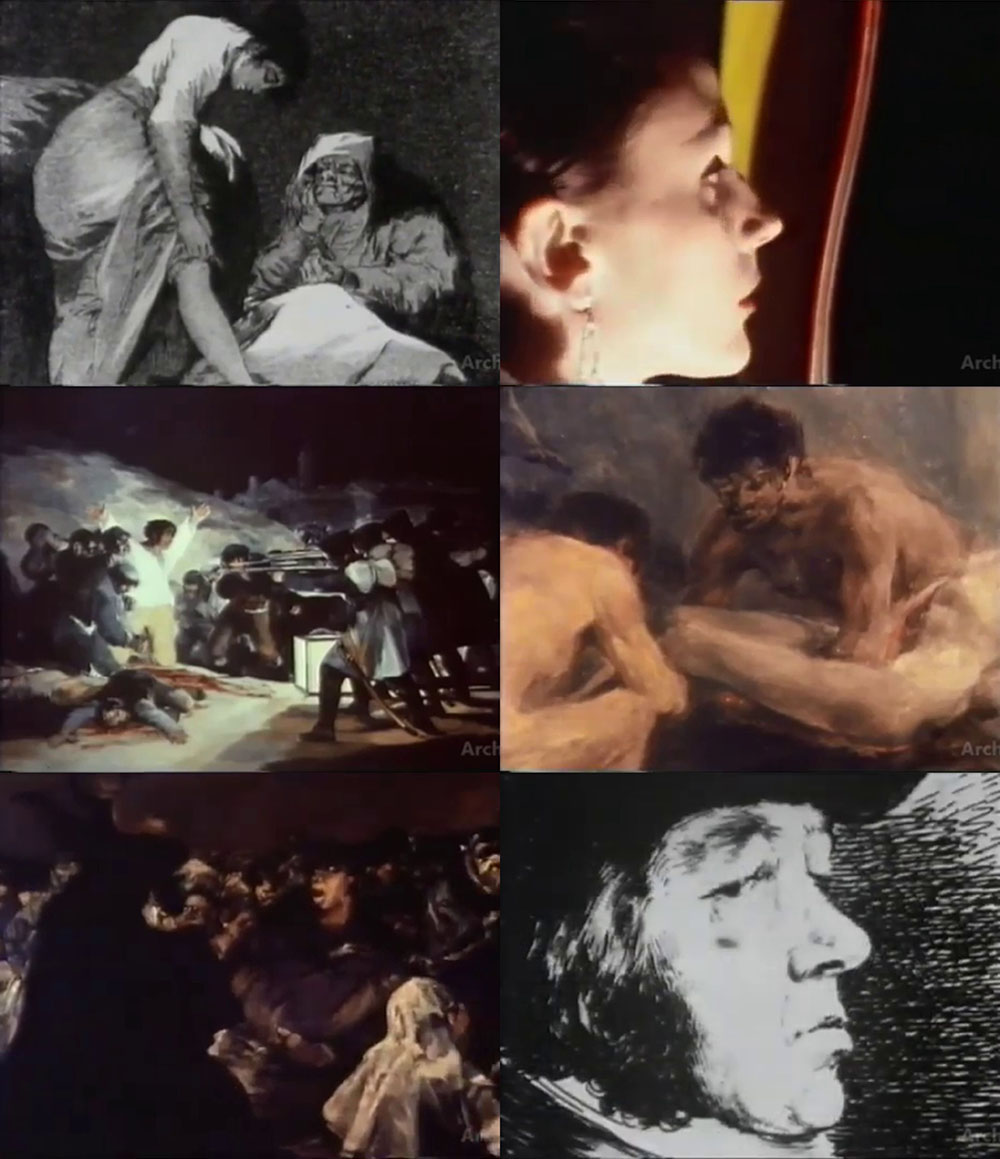
It’s good to find another arts documentary by Leslie Megahey turning up online. Not the best quality, unfortunately; the audio has been subjected to so much digital compression it sounds like it was run through a ring modulator but the visuals are decent enough. The Performers was originally made in 1972 for the BBC’s Omnibus arts strand. It was repeated in 1994 for the same series, with the name “Goya” appended to the title, the life and art of Francisco de Goya being the subject of the film. I remember watching the repeat screening but can’t remember why it was rebroadcast. Films like this usually remained stuck in the BBC’s vaults unless there was a good reason to show them again, as with Megahey’s portrait of György Ligeti which had the director revisiting the composer 15 years after their first meeting.
goya2.jpg

The Performers is less ambitious than Megahey’s later films, the majority of which had art or artists as their subject. The performers of the title are a pair of travelling players in modern Spain who adopt a series of roles in outdoor performances that parallel the stages of Goya’s career, from modestly successful muralist to very successful court portrait painter, and the later years when deafness left him isolated and depressed. The latter period resulted in the famous “Disasters of War” etchings and the so-called “Black Paintings” which were originally murals on the walls of the artist’s home.

The credits are missing from the end of the film but Leslie Megahey was the narrator as well as the director, with Colin Blakely reading from Goya’s diaries, and the performers played by Esperanza Malkin and Vallentin Conde. For a more personal take on the life and art of Francisco de Goya I recommend Robert Hughes’ 75-minute TV film from 2002.

Previously on { feuilleton }
All Clouds are Clocks: György Ligeti
Leslie Megahey, 1944–2022
Men and Wild Horses: Théodore Géricault
The Complete Citizen Kane
Schalcken the Painter revisited
Leslie Megahey’s Bluebeard

Meetings with Remarkable Men

meetings1.jpg

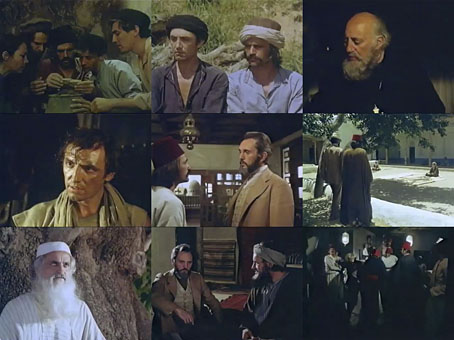
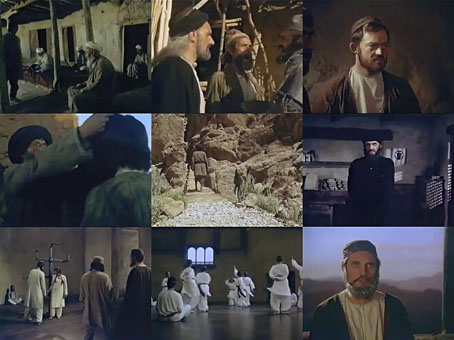
Another Peter Brook film, and a very strange one it is, not for its content but more for the way you wonder how the director managed to get anyone to pay for it, and what kind of audience it was supposed to be aimed at. Meetings with Remarkable Men is a book by GI Gurdjieff which is supposedly an account of the mystic’s early life and youthful questing for truth, although there’s always been debate about how much of it was intended as straight autobiography and how much as symbolic instruction. I’ve known about Brook’s film since it was first released in 1979 but its resolutely uncommercial nature means it never had a wide cinema release, and I’ve never seen it listed for TV screening either.

meetings2.jpg

I’ve not read Gurdjieff’s book but know enough about the man’s life and general philosophies to at least appreciate Brook’s film. Many other viewers would have considerable problems when Brook and screenwriter Jeanne Salzmann make no attempt to elaborate on the details of Gurdjieff’s quest. From youthful worries about life and death, to a search for a secret brotherhood who may have preserved ancient philosophies, the film illustrates scenes in the sketchiest manner: old volumes are bought then discarded; a map is sought then forgotten; gurus are pursued only to be found unsatisfying. For a film about enlightenment it’s surprising to be left so unenlightened. Much of the film was shot on location in Afghanistan shortly before the Soviet invasion, and at times the film seems like a chase from one dusty location to another with little reason or purpose.

The most bizarre feature of all is the cast: Gurdjieff is portrayed by a Serbian actor, Dragan Maksimovic, but many of the other roles provide cameos for an array of British talent, not least Terence Stamp in between appearances as General Zod in the Superman films. Elsewhere there’s Warren Mitchell (!) playing Gurdjieff’s dad, Colin Blakely, Marius Goring, Ian Hogg (who was also in The Marat/Sade), and most surprising of all since I was watching him recently in Quatermass and the Pit, Andrew Keir as the head of the mysterious Sarmoung Monastery. The cast alone helps maintain some interest although at times it’s like one of those all-star features such as Around the World in Eighty Days where you’re wondering who’s going to turn up next. For those whose curiosity is piqued, the entire film is on YouTube.

Previously on { feuilleton }
The Marat/Sade