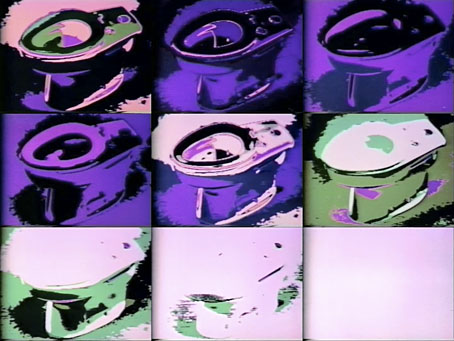
Metastasis, a film by Toshio Matsumoto

metastasis.jpg

Or Toshio’s Psychedelic Toilet. Toshio Matsumoto is known to cineastes for feature films such as Funeral Parade of Roses (which I’ve still not seen—sorry, Thom!), but he’s also responsible for a number of experimental films like this one. In Metastasis (1971) we watch a toilet bowl for 9 minutes while the colours and contrast shift continually. Matsumoto said (in a scrambled quote):

I used the Erekutoro Karapurosesu (Electro Color Processor), which is mainly used in the field of medicine and engineering, to create moving image textures Metastasis, I was interested in layering images of a simple object and its electronically processed abstraction. The electronic abstract image is manipulated in a certain rhythm, depicting an organic process.

This might be tedious if it didn’t also have a decent electronic score by Toshi Ichiyanagi. Watch it here.
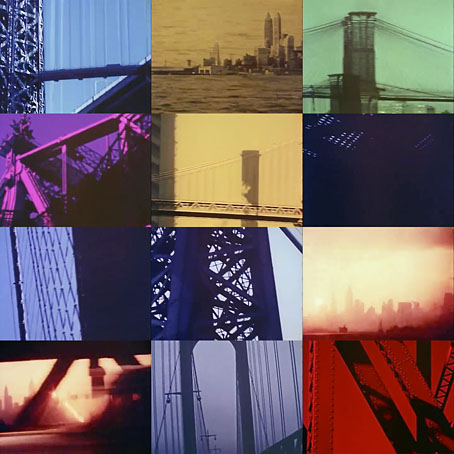
Bridges-Go-Round, a film by Shirley Clarke

clarke

Bridges-Go-Round (1958) is a short but beguiling film that makes New York’s bridges seem like huge pieces of kinetic sculpture. The version linked here is also unusual for being two films in one: the film repeats itself with identical visuals but a different soundtrack. The first version is scored by a jazz piece from composer and producer Teo Macero, the second has electronic music by Louis and Bebe Barron that sounds very similar to their all-electronic score for Forbidden Planet (1956). When the music changes the film seems to change with it.

Previously on { feuilleton }
NY, NY, a film by Francis Thompson

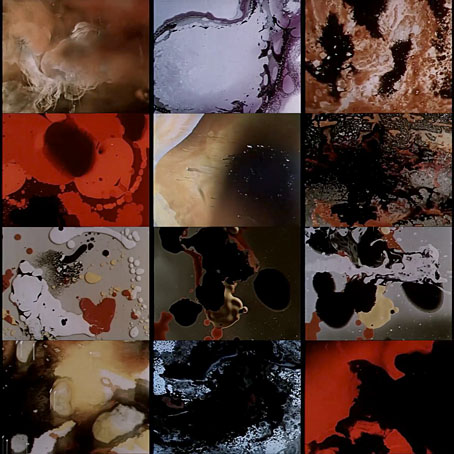
Somnambulists, a film by Mieczyslaw Waskowski

waskowski.jpg

This 9-minute film by Polish actor and director Mieczyslaw Waskowski was made in 1958. At that time Waskowski’s swirling blobs of paint in oil or water would have seemed merely abstract; a decade on and they would have unavoidable psychedelic or even cosmic connotations. Stanley Kubrick used similar effects for some of the shots in the Star Gate sequence of 2001: A Space Odyssey only at much higher resolution and camera speed.

Elsewhere on { feuilleton }
The abstract cinema archive

NY, NY, a film by Francis Thompson

nyny1.jpg

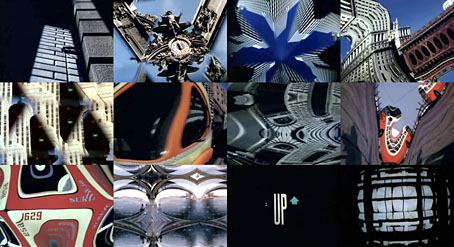
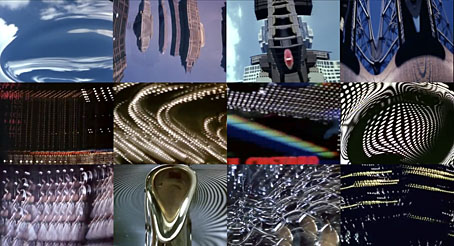
In Heaven and Hell (1956) Aldous Huxley considers various forms of art that might be said to imitate or resemble the intense visuals generated by psychedelic agents. In past centuries this would include firework displays and the vivid hues of stained glass windows; when discussing the present, mention is made of NY, NY, a short film by Francis Thompson that Huxley had recently seen.

Thompson’s film presents a day in the life of New York City with every shot being subject to some form of distortion or fragmentation via prismatic lenses or reflected surfaces. Nearly sixty years later this seems less psychedelic than it would have done to Huxley, although some of the reflections give the same effects as Ira Cohen’s later Mylar Chamber photographs. Watch NY, NY here, and if you do I’d recommend muting the Mickey Mouse score.

nyny2.jpg

Previously on { feuilleton }
Fog Line, a film by Larry Gottheim
Wavelength
La Région Centrale

Walter Ruttmann’s abstract cinema

ruttmann1.jpg

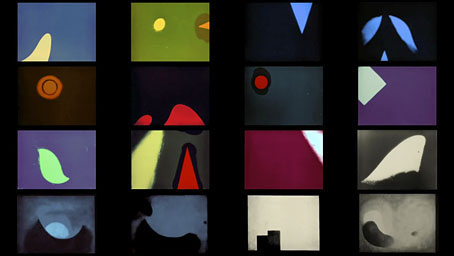
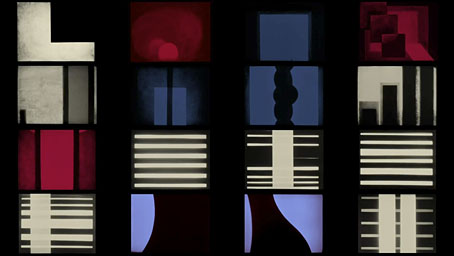
Histories of abstract cinema often begin with Oskar Fischinger, a filmmaker and animator who was certainly a pioneer of the form. But these four silent shorts by Walter Ruttmann (1887–1941), Lichtspiel: Opus I, II, III & IV (1921–25) predate Fischinger’s work, and also prefigure Fischinger’s own animations of swooping shapes, blooming circles and stabbing triangles. Ruttmann’s abstractions are very sophisticated considering they’re such early examples of this type of experimental cinema. Some of the sequences in Opus IV resemble the kinds of graphics seen during title sequences in TV programmes of the 1960s.

ruttmann2.jpg

Elsewhere on { feuilleton }
The abstract cinema archive