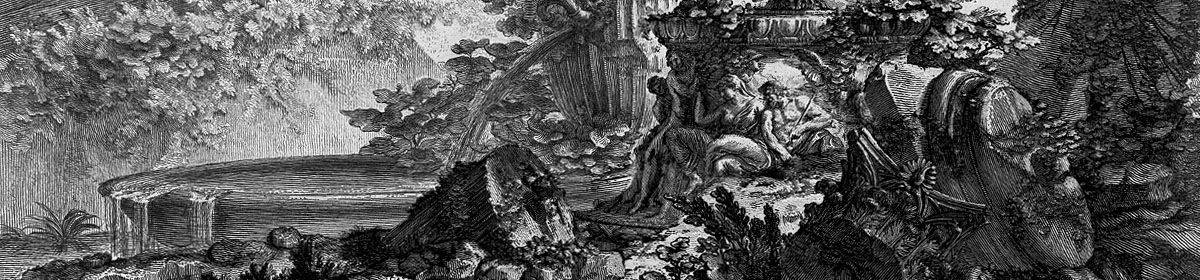

The Ambassadors by Hans Holbein the Younger (1533).
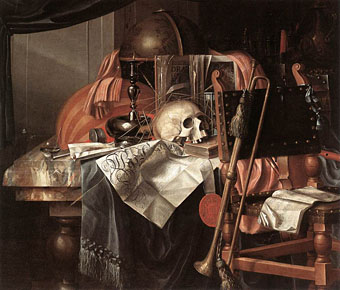
Vanitas by Franciscus Gysbrechts (no date).
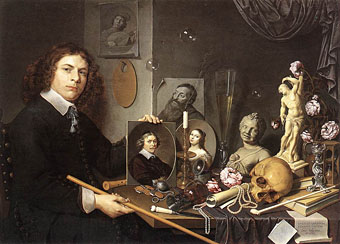
Self-portrait With Vanitas Symbols by Giovanni Baglione (no date).
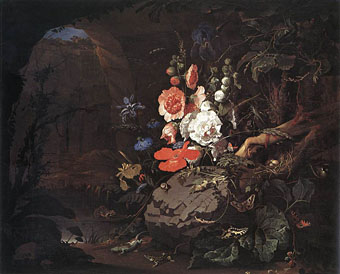
The Nature as a Symbol of Vanitas by Abraham Mignon (1665-1679).

Vanitas Still Life by Jacques de Gheyn the Elder (1603).
Previously on { feuilleton }
• Giant Skeleton and the Chocolate Jesus
• Very Hungry God
• History of the skull as symbol
For some reason, the optical trick in the Holbein always felt to me like it had been added at a much later stage. It seems too modern to fit in with the style of the painting.
Even if I know that such tricks are extremely old.
The whole painting is pretty much a show-off piece for Holbein, I reckon, as if it wasn’t enough to be one of the best painters in the world. I went to see it in the National Gallery last time I was in London and it really is fantastically impressive, especially since they cleaned it. Very photo-realist. It’s funny when you’re there because nearly everyone is taking turns standing at the side of the picture to see the skull in its correct proportion.
Anamorphosis was quite common at that period, especially for artists who wanted to impress their wealthy clients. I was going to write a blog post about it but that would involve doing an essay which I’d rather avoid. The DVD of films by the Brothers Quay (which I did mention in an earlier post) includes a short film they made about the history of anamorphosis.
http://en.wikipedia.org/wiki/Anamorphosis
The Paintings Are Amazing. i Can Do Them As Good As Them.
emm can you help i am doing an art project on vanitass oaintings there is soo much to write bit i cant find hpw to write it HELP <3
Please help, I am also doing an art project and I cannot find anything on vanitas. PLEASE HELP MEEEE!!!!!!!!!!!!