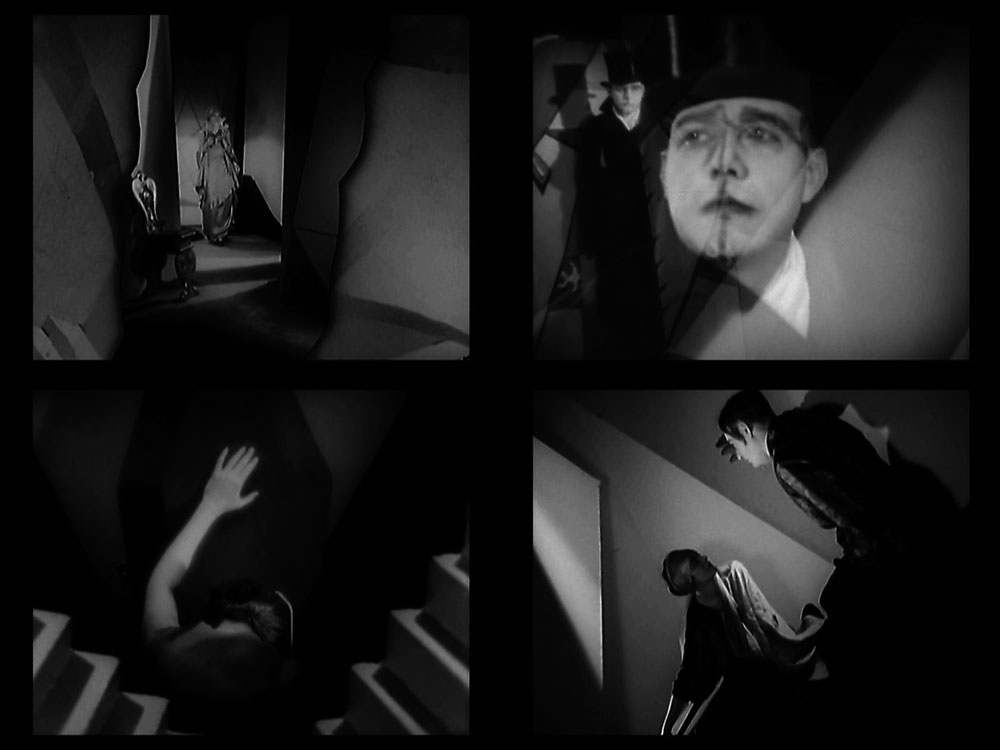
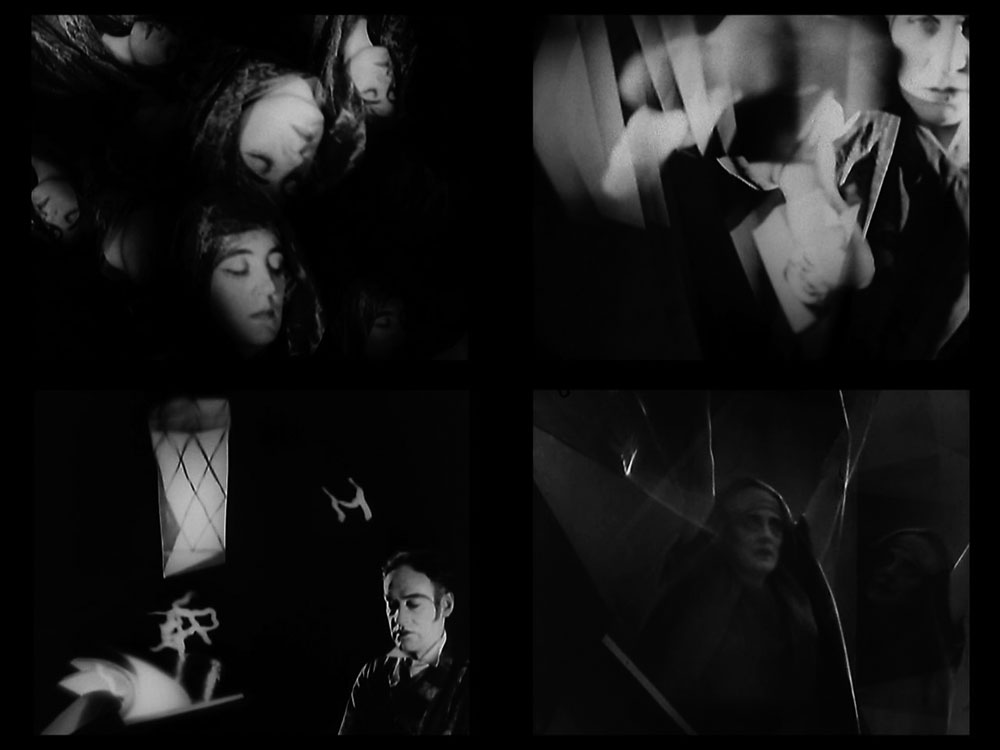
There’s always more Poe. A couple of years ago I wrote about the short American film adaptation of The Fall of the House of Usher co-directed by James Sibley Watson and Melville Webber. Watson and Webber’s experimental take on Poe was made in 1928, and happens to be one of two films based on the story that were made that year.

This week I watched the longer French adaptation (La Chute de la Maison Usher) directed by Jean Epstein, a very impressive silent film which changes a few details—Roderick and Madeline Usher are now husband and wife rather than brother and sister—but otherwise remains close to Poe’s tale. Epstein’s film is notable for having Luis Buñuel’s name on its screenplay credits but disputes between Buñuel and Epstein means few of Buñuel’s contributions survived. The film is also noted for its dream-like atmosphere, a quality the director favours over storytelling to such a degree that it helps if you’re already familiar with the story.

Epstein’s house of Usher is toy-like castle in exterior shots whose interior reveals cavernous spaces as vast as Charles Foster Kane’s Xanadu living room, with billowing curtains that make the place a precursor of the magical castle in Cocteau’s La Belle et la Bête. Jean Debucourt is a Roderick Usher who spends his time obsessively painting the doomed Madeline (Marguerite Gance), paying no attention to her increasing fraility. Poe’s visiting guest in this version is an aged man (Charles Lamy) with sight and hearing difficulties which contribute to the general ignorance of Madeline’s plight. In one of the opening scenes, director Abel Gance (the husband of Marguerite) may be seen inside an inn. Gance is best known today for the bravura cinematic invention of his 1927 Napoleon (which I recommend), but Epstein shows himself a match for Gance in the range of effects he brings to the Ushers’ plight: rapid edits, slow motion, double-exposures, low-angle shots, and a remarkable point-of-view sequence where Roderick seems to be floating through the hall. Later in the film the camera drifts along the mansion corridors following wind-blown leaves, a forerunner of all the Steadicam shots of the 1980s.
I was watching this copy of the film, an excellent print (no doubt swiped from disc) with French intertitles. The downloadable files include a subtitle file but with Portuguese subtitles only. English subs may be found here.
Previously on { feuilleton }
• Robert Lawson’s House of Usher
• The Fall of the House of Usher, 1928
• Burt Shonberg’s Poe paintings